 April 1963 in “Archives of Dermatology”
 Dermatological conditions are complex and treatments often have mixed results.
 179 citations
,
October 2018 in “American Journal of Clinical Dermatology”
179 citations
,
October 2018 in “American Journal of Clinical Dermatology” Cancer treatments targeting specific cells and the immune system can cause skin, mouth, hair, and nail problems, affecting patients' quality of life and treatment adherence.
 40 citations
,
March 1984 in “Acta dermato-venereologica”
40 citations
,
March 1984 in “Acta dermato-venereologica” Etretinate has only moderate effects on localized scleroderma and lichen sclerosus.
 27 citations
,
June 2017 in “International Journal of Dermatology”
27 citations
,
June 2017 in “International Journal of Dermatology” The study suggests that acne keloidalis nuchae is linked to conditions like pseudofolliculitis barbae, scalp infections, metabolic syndrome, and is more common in males with an average onset age of 25.4 years.
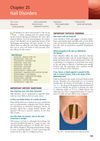 January 2018 in “Elsevier eBooks”
 Different nail disorders are treated by targeting their specific causes and using appropriate medications or protective measures.
 January 2017 in “Springer eBooks”
 The document concludes that Cutaneous Lupus Erythematosus has different forms, is influenced by genetic and environmental factors, and can be treated with various medications, but more targeted therapies are needed.
 April 1940 in “Archives of dermatology”
 Diagnosing and treating skin conditions is challenging, especially when drug reactions mimic other diseases.
 111 citations
,
November 2007 in “Clinics in Dermatology”
111 citations
,
November 2007 in “Clinics in Dermatology” Psoriasis skin changes are complex and might need several biopsies for a clear diagnosis.
 71 citations
,
February 2006 in “Clinics in Dermatology”
71 citations
,
February 2006 in “Clinics in Dermatology” Pregnancy causes skin changes like darkening, hair thickening, nail changes, and increased risk of skin growths, most of which usually resolve after birth.
 61 citations
,
October 2005 in “The journal of investigative dermatology. Symposium proceedings/The Journal of investigative dermatology symposium proceedings”
61 citations
,
October 2005 in “The journal of investigative dermatology. Symposium proceedings/The Journal of investigative dermatology symposium proceedings” The document concludes that accurate diagnosis is crucial for effectively treating common scalp disorders, which often have similar symptoms.
 30 citations
,
September 2017 in “Clinics in Dermatology”
30 citations
,
September 2017 in “Clinics in Dermatology” Acanthosis nigricans is a skin condition that may indicate a higher risk for insulin resistance and type 2 diabetes, and more research is needed to understand and treat it.
 28 citations
,
January 2014 in “Indian Journal of Dermatology, Venereology and Leprology”
28 citations
,
January 2014 in “Indian Journal of Dermatology, Venereology and Leprology” Chinese patients with primary cicatricial alopecia often have folliculitis decalvans, benefit from treatment, but may experience relapse, with dermoscopy being a useful diagnostic tool.
 22 citations
,
April 1985 in “Australasian Journal of Dermatology”
22 citations
,
April 1985 in “Australasian Journal of Dermatology” Beta-blockers can cause rare skin side-effects, which usually improve after stopping the medication.
 20 citations
,
March 2017 in “Journal of cutaneous pathology”
20 citations
,
March 2017 in “Journal of cutaneous pathology” Shrinking of oil glands in the skin is a key sign of hair loss linked to TNF inhibitor drugs and may improve if the treatment is stopped.
 20 citations
,
January 2015 in “Polish Journal of Pathology”
20 citations
,
January 2015 in “Polish Journal of Pathology” Reflectance confocal microscopy is a useful, non-invasive tool for diagnosing some skin diseases, with potential for future improvements.
 19 citations
,
November 2021 in “Lupus Science & Medicine”
19 citations
,
November 2021 in “Lupus Science & Medicine” Black patients with discoid lupus erythematosus have more severe skin damage and higher chances of dyspigmentation, scalp, and ear involvement.
 18 citations
,
October 2012 in “Dermatologic Clinics”
18 citations
,
October 2012 in “Dermatologic Clinics” Early diagnosis and aggressive treatment are key for managing rare scalp disorders that cause permanent hair loss.
 18 citations
,
March 2004 in “Clinics in Dermatology”
18 citations
,
March 2004 in “Clinics in Dermatology” Lupus can cause hair loss and nail changes, with treatments available for both.
 17 citations
,
May 1987 in “Clinical and Experimental Dermatology”
17 citations
,
May 1987 in “Clinical and Experimental Dermatology” A patient with Sézary syndrome showed improvement after treatment and the study suggested follicular mucinosis might indicate future lymphoma risk.
 16 citations
,
December 2017 in “Journal of The American Academy of Dermatology”
16 citations
,
December 2017 in “Journal of The American Academy of Dermatology” Low-level laser therapy may reduce symptoms and increase hair thickness in lichen planopilaris patients.
 13 citations
,
August 2020 in “Mayo Clinic proceedings”
13 citations
,
August 2020 in “Mayo Clinic proceedings” Women with lichen planopilaris often have thyroid disease, depression, anxiety, and may respond to treatment with slowed disease progression.
 12 citations
,
March 2018 in “Anais brasileiros de dermatologia/Anais Brasileiros de Dermatologia”
12 citations
,
March 2018 in “Anais brasileiros de dermatologia/Anais Brasileiros de Dermatologia” A patient had both chronic cutaneous lupus erythematosus and frontal fibrosing alopecia.
 12 citations
,
January 2008 in “Drugs”
12 citations
,
January 2008 in “Drugs” Some topical treatments like corticosteroids and vitamin D analogues are effective for scalp psoriasis, but more long-term data is needed.
 11 citations
,
May 2020 in “Anais Brasileiros de Dermatologia”
11 citations
,
May 2020 in “Anais Brasileiros de Dermatologia” Dermoscopy helps diagnose syphilitic alopecia, and treatment with penicillin can regrow hair.
 10 citations
,
June 2019 in “Case reports in dermatology”
10 citations
,
June 2019 in “Case reports in dermatology” LALPS causes non-scarring hair loss along the Blaschko line, with unique trichoscopic findings.
 5 citations
,
January 2015 in “Dermatology”
5 citations
,
January 2015 in “Dermatology” The report suggests that the same underlying issue in blood vessel support may cause angiokeratomas on both the scrotum and eyelids.
 5 citations
,
July 2013 in “Our Dermatology Online”
5 citations
,
July 2013 in “Our Dermatology Online” Lichen planopilaris is the most common type of scarring hair loss observed, with a variety of symptoms and tissue changes.
 3 citations
,
August 2018 in “Deleted Journal”
3 citations
,
August 2018 in “Deleted Journal” Guasha changed rat skin appearance and blood vessels temporarily without affecting certain nerve proteins or fiber structure.
 3 citations
,
July 2008 in “British journal of dermatology/British journal of dermatology, Supplement”
3 citations
,
July 2008 in “British journal of dermatology/British journal of dermatology, Supplement” Terbinafine can cause hair loss.
 2 citations
,
October 2016
2 citations
,
October 2016 Chemotherapy and radiotherapy can cause skin side effects like rashes, hair loss, and nail changes, which are usually managed with conservative treatments.