 August 2021 in “Journal of Investigative Dermatology”
 Stress causes hair loss by making the body produce cortisol, which stops hair cells from growing.
83 citations
,
October 2016 in “Stem Cells and Development” Epidermal growth factor helps hair stem cells grow by activating specific cell pathways.
July 2024 in “Journal of Investigative Dermatology” Allergic contact dermatitis may promote hair growth by activating hair follicle stem cells.
335 citations
,
March 2004 in “Development” Temporary activation of β-catenin can create new hair follicles, but ongoing activation is needed to keep hair follicle tumors.
56 citations
,
December 1990 in “Differentiation” Growth factors can either promote or inhibit hair follicle cell growth and collagen breakdown.
Nipple area expansion in mice needs both pregnancy hormones and mechanical strain.
6 citations
,
December 2023 in “Journal of Molecular Cell Biology” Removing Gsdma1/2/3 genes reduces skin cell overgrowth by blocking a specific cell pathway.

Ca²⁺-mediated protein citrullination controls cell growth in the CNS and may help treat brain tumors.
1 citations
,
July 2024 in “Journal of Investigative Dermatology” Immune cells boost stem cell activity in hairy moles, causing more hair growth.
Hedgehog signaling can create new hair follicles but may also cause tumors.
 66 citations
,
July 2007 in “Journal of Molecular Medicine”
66 citations
,
July 2007 in “Journal of Molecular Medicine” Stress increases certain chemicals in the skin and nerves, which might worsen skin conditions.
22 citations
,
August 2013 in “Experimental Dermatology” EGFR hyperactivation increases sebaceous gland size and sebum production in mice.
September 2004 in “Experimental Dermatology” Stress increases nerve growth factor, causing hair loss in mice.
69 citations
,
October 2014 in “Stem Cells” PDGF-D boosts stem cell growth and movement, enhancing hair regeneration.
 25 citations
,
January 2017 in “Steroids”
25 citations
,
January 2017 in “Steroids” Allopregnanolone increases growth and changes gene activity in human brain cancer cells.
20 citations
,
August 2020 in “Scientific Reports” Low-dose bisphenol A increases prostate size in rats by affecting certain enzymes.
 April 2017 in “Journal of Investigative Dermatology”
 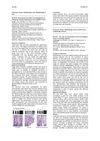 April 2018 in “Radiotherapy and Oncology”
 Prostaglandin helps regenerate hair follicles after radiation damage.
85 citations
,
May 2009 in “Hippocampus” Progesterone helps adult male mice grow more neurons and improves memory.
 17 citations
,
February 2015 in “International Journal of Molecular Sciences”
17 citations
,
February 2015 in “International Journal of Molecular Sciences” A special mix from certain skin cells can help hair grow by making hair root cells grow faster and activating growth signals.
13 citations
,
January 2016 in “Annals of Dermatology” Stress can slow hair growth by affecting certain cells and pathways.
79 citations
,
November 2010 in “Journal of Neuroscience” Hair clipping can trigger axon growth and changes in the skin.
Laser diode light boosts hair follicle cell growth and certain gene expressions.
Activating certain cells in hair follicles can prevent hair loss caused by cancer treatments.
 14 citations
,
April 2005 in “Experimental Dermatology”
14 citations
,
April 2005 in “Experimental Dermatology” Stressed fibroblasts greatly increase melanin production in hair, skin, and eye cells, mainly due to a growth factor called bFGF.
 October 2012 in “Faculty Opinions – Post-Publication Peer Review of the Biomedical Literature”
 Scientists used a special imaging technique to observe that hair follicle regeneration involves cell division and structural changes, mostly in the lower part of the follicle, and that the dermal papilla at the base is crucial for regrowth.
Androgen receptor overexpression can increase prostate cancer cell growth even without hormones.
17 citations
,
April 2006 in “Brain Research” 5α-reduced neurosteroids may help regulate glial cell differentiation.
5 citations
,
October 2017 in “Cellular Reprogramming” Inhibiting HSP90 increases cell adaptability and survival under stress.
2 citations
,
September 2020 in “International Journal of Molecular Sciences” Removing certain hair follicle stem cells worsens skin reactions to allergens.