 82 citations
,
February 1989 in “The Journal of clinical endocrinology and metabolism/Journal of clinical endocrinology & metabolism”
82 citations
,
February 1989 in “The Journal of clinical endocrinology and metabolism/Journal of clinical endocrinology & metabolism” A three-month treatment with a GnRH agonist significantly lowered androgen levels and 5α-reductase activity in men with benign prostatic hyperplasia.
September 2025 in “Current Oncology” LncRNAs may help improve brain cancer treatment and diagnosis.
 81 citations
,
July 2008 in “The Journal of Clinical Endocrinology and Metabolism”
81 citations
,
July 2008 in “The Journal of Clinical Endocrinology and Metabolism” Certain mutations in the H6PD gene cause Cortisone Reductase Deficiency by affecting hormone production.
 3 citations
,
May 2015 in “Journal of The American Academy of Dermatology”
3 citations
,
May 2015 in “Journal of The American Academy of Dermatology” Adalimumab significantly improves quality of life for patients with moderate to severe hidradenitis suppurativa.
11 citations
,
December 2011 in “The Journal of Dermatology” 3 citations
,
May 2002 in “PubMed” The document concludes that treatment for excessive hair growth depends on the cause, with options including hair removal methods and medications like anti-androgens or insulin-sensitizing drugs.
 January 2026 in “International Journal of Women s Health”
 A new model helps predict treatment success in girls with early puberty.
 1 citations
,
January 2023 in “In vivo/In Vivo”
1 citations
,
January 2023 in “In vivo/In Vivo” Box A of HMGB1 can improve stem cell function, aiding anti-aging therapy.
10 citations
,
March 2023 in “Journal of Chemistry” New compounds show promise for treating benign prostate hyperplasia with fewer side effects.
546 citations
,
February 2008 in “PLANT PHYSIOLOGY” OsPHR2 gene causes excessive phosphate in rice shoots, affecting plant growth and root development.
November 2025 in “Journal of Investigative Dermatology” Certain immune cells in atopic dermatitis skin could be targeted for treatment.
 March 2024 in “Journal of drugs in dermatology”
 HASHA is a safe and effective option for chin augmentation.
15 citations
,
May 2021 in “Climacteric” Postmenopausal hyperandrogenism involves excess male hormones causing symptoms like hair growth and acne, and requires ruling out tumors and other disorders.
 11 citations
,
March 2007 in “Journal of Hypertension”
11 citations
,
March 2007 in “Journal of Hypertension” Minoxidil effectively lowers blood pressure in resistant cases, but needs beta-blocker and diuretic support.
17 citations
,
July 2024 in “Advanced Intelligent Systems” Human-robot interaction becomes simpler as robots achieve full autonomy in surgery.
36 citations
,
March 2011 in “Stem Cell Reviews and Reports”  January 2025 in “JCEM Case Reports”
 Enzyme replacement therapy may help alleviate symptoms in complex cases like this.
May 2026 in “Journal of Medicinal Chemistry” dAR-6–1 is a promising new treatment for hair loss that works better than minoxidil.
September 2017 in “OhioLink ETD Center (Ohio Library and Information Network)” Caregivers had lower stress hormone levels than non-caregivers, suggesting caregiving stress affects the body differently.
 6 citations
,
May 2011 in “Journal of Pharmacy Technology”
6 citations
,
May 2011 in “Journal of Pharmacy Technology” Old drugs can be used for new treatments, saving time and money, but there are challenges like needing more evidence and legal concerns.
15 citations
,
May 2017 in “Journal of Cellular Biochemistry” The hairless protein is important for skin, hair, and may influence cancer development.
5 citations
,
July 2023 in “World Journal of Stem Cells” The hydrogel promotes better wound healing by creating a fetal-like environment.
 April 2026 in “Zenodo (CERN European Organization for Nuclear Research)”
 Post-exposure syndromes are persistent conditions caused by past exposures, needing unique interventions.
 March 2023 in “bioRxiv (Cold Spring Harbor Laboratory)”
 Scientists can now create skin with hair by reprogramming cells in wounds.
 September 2019 in “Journal of Investigative Dermatology”
 Mouse skin fibroblasts vary in function and adaptability based on their environment.
December 2002 in “대한피부과학회지” Higher androgen receptor levels in bald areas may cause hair loss, while estrogen receptors have less impact.
July 2020 in “DOAJ (DOAJ: Directory of Open Access Journals)” Excessive sun protection might contribute to frontal fibrosing alopecia.
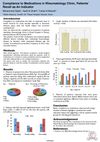
Many patients in the rheumatology clinic adjusted or stopped their medications due to side effects.
 April 2026 in “Zenodo (CERN European Organization for Nuclear Research)”
 Hair follicles can be used to deliver drugs effectively, especially using nanoparticles, for treating skin conditions.
 December 2023 in “Expert Review of Endocrinology & Metabolism”
 New methods help diagnose skin conditions caused by too much male hormone in women, like acne, hair loss, and excess hair growth.