 March 2010 in “The Journal of Urology”
 Hair loss, prostate size, and urinary issues are related due to androgen effects.
 282 citations
,
October 2006 in “The Journal of Clinical Endocrinology and Metabolism”
282 citations
,
October 2006 in “The Journal of Clinical Endocrinology and Metabolism” The Endocrine Society advised against routine testosterone therapy for women, citing a need for more research on long-term safety and a clear definition of androgen deficiency.
 19 citations
,
January 2017 in “Hormone Molecular Biology and Clinical Investigation”
19 citations
,
January 2017 in “Hormone Molecular Biology and Clinical Investigation” High levels of male hormones are very common in women with PCOS and affect their metabolism differently depending on their weight.
3 citations
,
May 2002 in “PubMed” The document concludes that treatment for excessive hair growth depends on the cause, with options including hair removal methods and medications like anti-androgens or insulin-sensitizing drugs.
 3 citations
,
October 2024 in “Reproductive Sciences”
3 citations
,
October 2024 in “Reproductive Sciences” Androgen measurements are mostly unnecessary for diagnosing PCOS, except in women with menstrual issues.
25 citations
,
April 1988 in “Geburtshilfe und Frauenheilkunde” Treatment balancing hormones stopped hair loss in most women with androgenetic alopecia.
 4 citations
,
December 2012 in “Arquivos Brasileiros De Endocrinologia E Metabologia”
4 citations
,
December 2012 in “Arquivos Brasileiros De Endocrinologia E Metabologia” A postmenopausal woman's masculine symptoms improved after surgery for a hormone-producing ovarian tumor.
 2 citations
,
January 2012 in “Journal für Kardiologie (Krause & Pachernegg GmbH)”
2 citations
,
January 2012 in “Journal für Kardiologie (Krause & Pachernegg GmbH)” Hirsutism and alopecia during menopause can be diagnosed and treated with specific hormonal and topical therapies.
May 2022 in “Endocrine Abstracts” Cyproterone acetate therapy improved hair loss and reduced testosterone levels in a menopausal woman.
 5 citations
,
November 2001 in “PubMed”
5 citations
,
November 2001 in “PubMed” An 80-year-old woman's severe hair loss was caused by a hormone-secreting ovarian tumor.
12 citations
,
December 2016 in “PubMed” Hirsutism involves excessive hair growth due to hormonal issues and can be treated with medication or surgery.
 1 citations
,
January 2016 in “International journal of reproduction, contraception, obstetrics and gynecology”
1 citations
,
January 2016 in “International journal of reproduction, contraception, obstetrics and gynecology” Hypothyroidism may worsen metabolic problems like insulin resistance and obesity in women with PCOS.
 42 citations
,
October 2004 in “Experimental and Clinical Endocrinology & Diabetes”
42 citations
,
October 2004 in “Experimental and Clinical Endocrinology & Diabetes” The main cause of excessive hair growth in Turkish women is Polycystic ovary syndrome, but in about one fifth of cases, the reason for high male hormone levels is unknown.
39 citations
,
November 1978 in “Annals of internal medicine” Spironolactone may help reduce excessive hair growth in women with high male hormone levels.
3 citations
,
May 2025 in “Clinical Endocrinology” Evaluate and manage androgen excess in women with a systematic approach, considering both physical and psychological impacts.
 July 2011 in “British Journal of Dermatology”
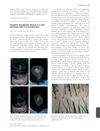
 Hormone treatment caused hair loss, finasteride helped regrowth.
 135 citations
,
March 1984 in “Fertility and sterility”
135 citations
,
March 1984 in “Fertility and sterility” Higher levels of unbound testosterone are linked to increased insulin resistance, especially in women with polycystic ovary syndrome.
 28 citations
,
May 2013 in “The Journal of Steroid Biochemistry and Molecular Biology”
28 citations
,
May 2013 in “The Journal of Steroid Biochemistry and Molecular Biology” Testosterone therapy can improve sexual desire and function in postmenopausal women but should be used cautiously and not based solely on testosterone levels.
21 citations
,
May 2001 in “PubMed” Androgen hormones affect hair growth and oil production, influencing conditions like hair loss and acne.
January 2026 in “Dermatologic Therapy” Higher dihydrotestosterone (DHT) levels are linked to male pattern baldness.
19 citations
,
January 1993 in “Dermatologic Clinics”  October 2007 in “Postgraduate obstetrics & gynecology”
 Testosterone therapy can help with androgen deficiency in women but should be used with caution and monitoring due to potential risks.
January 2018 in “Elsevier eBooks” 5α-reductase-2 deficiency causes ambiguous genitalia at birth and affects male sexual development, but individuals often develop male characteristics at puberty.
 6 citations
,
September 2005 in “Expert Opinion on Pharmacotherapy”
6 citations
,
September 2005 in “Expert Opinion on Pharmacotherapy” Androgen therapy can help with symptoms like low libido in women, but more research is needed to understand its long-term safety and effects on health.
 1 citations
,
July 2015 in “Cambridge University Press eBooks”
1 citations
,
July 2015 in “Cambridge University Press eBooks” Testosterone therapy can improve sexual function in women but long-term safety is unclear.
 1 citations
,
December 1992 in “International Journal of Dermatology”
1 citations
,
December 1992 in “International Journal of Dermatology” No significant hormone differences found in postmenopausal women with androgenetic alopecia.
 24 citations
,
December 1988 in “British Journal of Dermatology”
24 citations
,
December 1988 in “British Journal of Dermatology” Acne severity in women may not be linked to increased male hormone indicators like excess body hair, menstrual irregularities, or hair loss.
 25 citations
,
January 2013 in “International Journal of Trichology”
25 citations
,
January 2013 in “International Journal of Trichology” Premature balding in some men may be linked to altered hormones, but it's not the male equivalent to polycystic ovary syndrome or metabolic syndrome.
 57 citations
,
August 1995 in “British Journal of Dermatology”
57 citations
,
August 1995 in “British Journal of Dermatology” Acne severity is linked to higher levels of certain androgenic hormones, even when those levels are within the normal range.
 October 2007 in “Postgraduate obstetrics & gynecology”
 Testosterone therapy can help postmenopausal women with low sexual desire but needs more safety research and should be used with estrogen therapy.