25 citations
,
November 1979 in “International Journal of Dermatology” Androgens affect skin conditions like acne and hair loss through specific biochemical pathways.
 6 citations
,
March 1982 in “Clinical and Experimental Dermatology”
6 citations
,
March 1982 in “Clinical and Experimental Dermatology” The document says that hair loss in women is often due to androgenic alopecia, similar to male baldness, and that hirsutism is treated with hormonal and cosmetic methods.
 December 2015 in “Вестник дерматологии и венерологии”
 Men with male pattern baldness may not have different hormone levels, but their hair follicles are likely more sensitive to hormones.
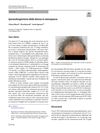 July 2022 in “L Endocrinologo”
 A 77-year-old woman with hair loss had high testosterone and 17OH-progesterone levels, but no significant findings on imaging.
 41 citations
,
November 2003 in “Annals of the New York Academy of Sciences”
41 citations
,
November 2003 in “Annals of the New York Academy of Sciences” Male hormones, or androgens, affect women's health in areas like mood and bone density, and hormone replacement therapy using antiandrogenic progestogens can improve mood disorders and alertness in menopausal women.
 39 citations
,
November 2021 in “Clinical Endocrinology”
39 citations
,
November 2021 in “Clinical Endocrinology” Testosterone replacement is recommended for men with low testosterone levels and symptoms of hypogonadism.
 March 2025 in “Journal of Pediatric Endocrinology and Metabolism”
 Elevated testosterone, DHEA-S, and FAI help identify PCOS risk in menstrual irregularities.
29 citations
,
January 1998 in “Dermatology” Many acne patients have high androgen levels, which may lead to PCOD, but treatments like oral contraceptives and antiandrogens can help.
 11 citations
,
September 2012 in “Journal of obstetrics and gynaecology Canada”
11 citations
,
September 2012 in “Journal of obstetrics and gynaecology Canada” Testosterone therapy seems safe for short-term use in postmenopausal women with low sexual desire, but more research on long-term effects is needed.
10 citations
,
November 2024 in “Diagnostics” High androgen levels cause skin issues in PCOS, affecting quality of life.