 6 citations
,
March 1999 in “Journal of pediatric health care”
6 citations
,
March 1999 in “Journal of pediatric health care” The document emphasizes the need for primary care providers to understand and care for African American children's hair and skin to boost their self-esteem.
 1 citations
,
January 2018 in “Methods in molecular biology”
1 citations
,
January 2018 in “Methods in molecular biology” The research found ways to activate melanocyte stem cells for potential treatment of skin depigmentation conditions.
 19 citations
,
October 2008 in “Journal der Deutschen Dermatologischen Gesellschaft”
19 citations
,
October 2008 in “Journal der Deutschen Dermatologischen Gesellschaft” Anti-cancer treatments can cause reversible hair loss, skin sensitivity, pigmentation changes, nail damage, and skin reactions, with a need for more research on managing these side effects.
 305 citations
,
March 2018 in “International journal of molecular sciences”
305 citations
,
March 2018 in “International journal of molecular sciences” The document concludes that the understanding of scar formation is incomplete and current prevention and treatment for hypertrophic scars and keloids are not fully effective.
 73 citations
,
June 2003 in “Journal of the American Academy of Dermatology”
73 citations
,
June 2003 in “Journal of the American Academy of Dermatology” Dermatologists need to understand African American hair-care practices to better treat their hair and scalp disorders.
 70 citations
,
June 2010 in “Clinics in Dermatology”
70 citations
,
June 2010 in “Clinics in Dermatology” Certain groups may need vitamin supplements to improve hair health and prevent other health problems.
 67 citations
,
October 1997 in “Dermatologic Surgery”
67 citations
,
October 1997 in “Dermatologic Surgery” The EpiLight Hair Removal System removed about 60% of hair with some side effects, and more research is needed to confirm long-term effectiveness.
 66 citations
,
December 2014 in “Nature Communications”
66 citations
,
December 2014 in “Nature Communications” Fibroblasts can be turned into melanocytes for potential skin treatments.
 64 citations
,
June 1992 in “International Journal of Dermatology”
64 citations
,
June 1992 in “International Journal of Dermatology” Pregnancy often causes skin changes like darkening, stretch marks, and hair growth, which may improve after childbirth.
 59 citations
,
April 2016 in “Cell Reports”
59 citations
,
April 2016 in “Cell Reports” EdnrB signaling helps melanocyte stem cells regenerate and could be targeted to treat pigmentation issues.
 47 citations
,
May 2002 in “Journal of Cutaneous Medicine and Surgery”
47 citations
,
May 2002 in “Journal of Cutaneous Medicine and Surgery” Pregnancy can cause normal skin changes that usually go away after childbirth and don't need treatment.
 44 citations
,
August 2010 in “Lupus”
44 citations
,
August 2010 in “Lupus” Lupus can affect the scalp and nails, often causing hair loss and nail damage, and needs early aggressive treatment to prevent permanent damage.
 30 citations
,
October 2013 in “Lupus”
30 citations
,
October 2013 in “Lupus” Hair loss in lupus is different from hair loss in alopecia areata and may indicate lupus activity.
 21 citations
,
April 2019 in “Clinical, cosmetic and investigational dermatology”
21 citations
,
April 2019 in “Clinical, cosmetic and investigational dermatology” The document concludes that stopping shaving or removing affected hair can alleviate Pseudofolliculitis barbae (PFB).
 20 citations
,
October 2018 in “American Journal of Clinical Dermatology”
20 citations
,
October 2018 in “American Journal of Clinical Dermatology” Some drugs can cause skin and hair color changes, often reversible when the drug is stopped.
 10 citations
,
October 2017 in “Archivos Argentinos De Pediatria”
10 citations
,
October 2017 in “Archivos Argentinos De Pediatria” Most hospitalized children with skin issues were boys, with allergic skin diseases like atopic dermatitis being most common, and treatments were usually topical.
 8 citations
,
April 2024 in “Cureus”
8 citations
,
April 2024 in “Cureus” CO2 lasers are better for severe acne scars, while Er:YAG lasers are gentler with fewer side effects.
 8 citations
,
August 1997 in “Australasian Journal of Dermatology”
8 citations
,
August 1997 in “Australasian Journal of Dermatology” Most HIV patients develop skin symptoms that can indicate the stage of their disease.
 7 citations
,
July 2019 in “International journal of research in dermatology”
7 citations
,
July 2019 in “International journal of research in dermatology” Intralesional triamcinolone acetonide is more effective than platelet-rich plasma for treating scalp alopecia areata.
 7 citations
,
December 2013 in “The Journal of Dermatology”
7 citations
,
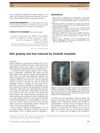
December 2013 in “The Journal of Dermatology” A woman's hair turned gray and fell out after starting a cancer drug called imatinib mesylate.
 5 citations
,
January 2014 in “Indian Journal of Dermatology, Venereology and Leprology”
5 citations
,
January 2014 in “Indian Journal of Dermatology, Venereology and Leprology” Non-infectious skin conditions are more common than infectious ones in Kashmir, but community areas see more infections, suggesting a need for better skin care services in primary health care.
 4 citations
,
January 2022 in “Current pharmaceutical design”
4 citations
,
January 2022 in “Current pharmaceutical design” Microsponges delivery system is a safe, versatile method for controlled drug release in various treatments.
 3 citations
,
July 2017 in “Elsevier eBooks”
3 citations
,
July 2017 in “Elsevier eBooks” Skin reactions are a common reason for emergency visits due to drug allergies, with some severe cases needing intensive care.
 2 citations
,
March 2019 in “Experimental Techniques in Urology & Nephrology”
2 citations
,
March 2019 in “Experimental Techniques in Urology & Nephrology” Heptaminol may cause hair lightening in hemodialysis patients.
 1 citations
,
September 2023 in “Journal of drugs in dermatology”
1 citations
,
September 2023 in “Journal of drugs in dermatology” Alopecia areata causes unpredictable hair loss and emotional distress, with no cure and limited treatment options.
 1 citations
,
July 2016 in “Elsevier eBooks”
1 citations
,
July 2016 in “Elsevier eBooks” Understanding skin structure and development helps diagnose and treat skin disorders.
 June 2026 in “Quality in Sport”
 Premature hair graying has many causes, but no cure yet.
 February 2026 in “Clinical Cosmetic and Investigational Dermatology”
 Female pattern hair loss is linked to genetics, family history, and lifestyle factors.

Exosomes show promise for skin treatments but need more research and regulation in India.
 August 2025 in “Journal of Cosmetic Dermatology”
 Topical treatments and lasers can improve axillary hyperpigmentation, but no best method is established yet.