22 citations
,
February 2000 in “Journal of the American Academy of Dermatology” Eosinophils are not a reliable marker for diagnosing alopecia areata.
 September 2023 in “JAAD case reports”
 A man developed oral hairy leukoplakia while on baricitinib, a medication for alopecia and arthritis, and doctors should watch for such side effects.
 391 citations
,
January 2010 in “Journal of The American Academy of Dermatology”
391 citations
,
January 2010 in “Journal of The American Academy of Dermatology” Half of people with Alopecia Areata may see hair regrowth within a year without treatment, but recovery is unpredictable.
May 2026 in “European Cells and Materials” The new delivery system improves Alzheimer's symptoms by releasing Huperzine A slowly and effectively.
 January 2022 in “The Egyptian Journal of Hospital Medicine”
 Higher IL-21 levels may help predict alopecia areata activity.
 January 2016 in “Springer eBooks”
 Alopecia Areata is an unpredictable autoimmune hair loss condition with limited and variable treatment effectiveness.
 October 2022 in “Portuguese journal of dermatology and venereology”
 The best concentration of triamcinolone acetonide for treating alopecia areata is still unclear.
 10 citations
,
January 2023 in “Journal of the European Academy of Dermatology and Venereology”
10 citations
,
January 2023 in “Journal of the European Academy of Dermatology and Venereology” Alopecia areata greatly affects people's life quality, mental health, and work life.
 June 2023 in “Skin Research and Technology”
 High-resolution MRI can distinguish between tertiary androgenetic alopecia and severe alopecia areata by measuring scalp and tissue thickness and hair follicle depth.
 January 2026 in “BULLETIN OF STOMATOLOGY AND MAXILLOFACIAL SURGERY”
 Both treatments help hair regrowth, but Botulinum Toxin-A has fewer side effects.
 May 2023 in “Clinical and Experimental Dermatology”
 Alopecia areata has a high chance of persisting and relapsing, with a significant risk of total hair loss, especially if it starts in childhood.
 July 2018 in “Plastic and Aesthetic Nursing”
 The 2018 ISPAN Meeting emphasized hands-on learning, patient safety, and professional growth in medical aesthetics and reconstructive practices.
 December 2016 in “Springer eBooks”
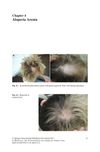
 A 45-year-old woman with autoimmune diseases experienced patchy hair loss due to alopecia areata, which has no cure but can be treated, with varying success.
10 citations
,
September 2014 in “Australasian Journal of Dermatology” Understanding alopecia areata's patterns can improve future research and treatments.
 37 citations
,
November 2003 in “Veterinary pathology”
37 citations
,
November 2003 in “Veterinary pathology” Hair loss in mice starts with immune cells damaging hair roots before it becomes visible.
 22 citations
,
November 2008 in “International Journal of Dermatology”
22 citations
,
November 2008 in “International Journal of Dermatology” A mix of 5-aminolevulinic acid and iron ion can speed up hair growth.
 April 2026 in “Journal of Inflammation Research”
 Alopecia areata and atopic dermatitis share immune system issues, and treatments like JAK inhibitors can help both.
174 citations
,
July 2003 in “The Journal of Clinical Endocrinology & Metabolism” Five new mutations in the androgen receptor gene were found, helping to understand androgen insensitivity syndrome better.
1 citations
,
November 2025 in “Expert Review of Clinical Immunology” Sequential immunotherapy can effectively treat alopecia areata by managing inflammation and promoting hair regrowth.
21 citations
,
October 2023 in “Journal of Dermatological Treatment” Baricitinib effectively reduces hair loss in severe alopecia areata and is generally safe.
 April 2023 in “Journal of Investigative Dermatology”
 Cryotherapy might help regrow hair in Alopecia Areata, but more consistent research is needed.
7 citations
,
October 2011 in “Faṣlnāmah-i bīmārīhā-yi pūst” Iron and ferritin levels don't affect alopecia areata.
 April 2023 in “Journal of Investigative Dermatology”
 Mast cells and the CB1 receptor may be key in causing IgA vasculitis.
1 citations
,
April 2024 in “JAAD International” Adults with alopecia areata stick to their medication better than those with atopic dermatitis.
3 citations
,
August 2017 in “Dermatologic therapy” UVA-1 phototherapy might help treat alopecia areata.
January 2026 in “Open Science Framework” AI in alopecia research needs better tools for predicting treatment outcomes and ensuring fairness.
 2 citations
,
April 2018 in “Journal of Investigative Dermatology”
2 citations
,
April 2018 in “Journal of Investigative Dermatology” Frontal fibrosing alopecia shows increased inflammation and JAK-STAT pathway activity without reduced hair proteins.
 September 2024 in “Journal of the American Academy of Dermatology”
 Continued baricitinib treatment leads to significant scalp hair regrowth in severe alopecia areata patients.
January 2025 in “Journal of Dermatology & Dermatologic Surgery” Environmental factors can trigger alopecia areata in identical twins.
 April 2024 in “International Journal of Research Publication and Reviews”
 Alopecia areata causes hair loss with varied treatment responses and frequent relapses.