1 citations
,
February 2025 in “Journal of Dairy Science” The SLICK1 allele in Holstein heifers affects hair and immune traits without altering prolactin signaling.
14 citations
,
April 2021 in “International journal of molecular sciences” Mesenchymal stem cells may help treat hair loss by improving hair cell growth and reducing inflammation.
29 citations
,
December 2022 in “Journal of Nanobiotechnology” Stem cell vesicles reduced eczema symptoms in mice safely.
October 2025 in “Science Advances” IFN-γ production by CD4 T cells is crucial for causing alopecia areata.
 25 citations
,
July 2016 in “The journal of investigative dermatology/Journal of investigative dermatology”
25 citations
,
July 2016 in “The journal of investigative dermatology/Journal of investigative dermatology” Imiquimod cream activates hair follicle stem cells and causes early hair growth by changing immune cells and certain protein expressions.
 4 citations
,
November 2020 in “BMC Dermatology”
4 citations
,
November 2020 in “BMC Dermatology” Researchers identified genes in scalp hair follicles that may affect hair traits and hair loss.
 November 2025 in “Frontiers in Immunology”
 Stem cell activity influences autoimmune disease outcomes by affecting immune responses and tissue regeneration.
1 citations
,
August 2023 in “Biomolecules” Certain immune-related proteins are higher in people with alopecia and their healthy relatives, hinting at a genetic link.
 June 2022 in “Frontiers in Immunology”
 Tofacitinib regrew hair in a man with total hair loss but raised cytokine levels, needing more research on possible side effects.
February 2025 in “bioRxiv (Cold Spring Harbor Laboratory)” Cell detachment, not autoantibody binding, causes major changes in pemphigus.
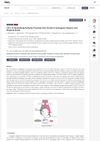 January 2024 in “International Journal of Molecular Sciences”
 Blocking the protein CXCL12 with a specific antibody can increase hair growth in common hair loss conditions.
16 citations
,
March 2017 in “Oncotarget” SOCS3 treatment can prevent hair loss by stopping harmful immune responses.
7 citations
,
November 2018 in “British Journal of Dermatology” Alopecia areata is caused by immune system issues, and JAK inhibitors might help treat it.
ILC1-like cells may contribute to hair loss in alopecia areata.
ILC1-like cells may contribute to hair loss in alopecia areata and could be new treatment targets.
58 citations
,
July 2018 in “Journal of Allergy and Clinical Immunology” Alopecia areata severity is linked to increased TH1 and TH2 activity.
62 citations
,
October 2018 in “Journal of pathology” Keratin 17 is linked to various diseases, including cancer and skin conditions, and may be a target for diagnosis and treatment.
91 citations
,
January 2010 in “Journal of Allergy and Clinical Immunology” NK cells play a role in skin diseases like eczema and psoriasis.
37 citations
,
December 2021 in “Cells” Alopecia areata severity and treatment response are linked to specific cytokine levels.
 January 2025 in “Clinical Cosmetic and Investigational Dermatology”
 Pediatric alopecia areata is more immune-active than adult cases, suggesting age-specific treatments and potential use of JAK inhibitors.
August 2024 in “International Journal of Molecular Sciences” Mesenchymal Stem Cell therapy shows promise for treating hair loss in Alopecia Areata.
36 citations
,
June 2015 in “International journal of toxicology” Trichloroethylene causes skin inflammation in mice by increasing certain immune proteins.
 6 citations
,
July 2018 in “Scientific Reports”
6 citations
,
July 2018 in “Scientific Reports” Methamphetamine affects gene expression in rat whisker follicles, with key genes linked to addiction.
5 citations
,
June 2012 in “Journal of Investigative Dermatology” A new mouse model for vitiligo helps study immune responses and potential treatments.
3 citations
,
September 2025 in “Frontiers in Immunology” JAK inhibitors are effective for treating moderate-to-severe alopecia areata.
1 citations
,
October 2025 in “Journal of Allergy and Clinical Immunology” A JAK1 variant causes hair loss, skin issues, and thyroid disease, but treatment with a specific inhibitor can help.
18 citations
,
February 2023 in “eLife” ILC1-like cells can independently cause alopecia areata.
ILC1-like cells can independently cause alopecia areata by affecting hair follicles.
9 citations
,
August 2024 in “International Journal of Molecular Sciences” Promising treatments for EBS include anti-inflammatory drugs, antibiotics, creams, mTOR inhibitors, and gene editing, but more trials are needed.
116 citations
,
April 2020 in “Stem Cell Research & Therapy” Wharton's jelly stem cells show diverse traits and functions.