 February 2021 in “International Journal of Science and Research (IJSR)”
 A higher testosterone/dihydrotestosterone ratio in PCOS patients may indicate worse metabolic health.
 February 2021 in “Endocrinology, diabetes & metabolism case reports”
 A postmenopausal woman's excessive hair growth and hair loss were due to a non-cancerous ovarian condition, treated successfully with surgery.
 June 2020 in “Journal of Investigative Dermatology”
 Scientists successfully grew mini hair follicles using human skin cells, which could help treat baldness.
Diet and supplements can significantly affect acne, with some foods and nutrients reducing and others worsening it.
 January 2019 in “ARC journal of pharmaceutical sciences”
 Acne can be managed with various treatments and requires psychological support due to its emotional impact.
 January 2019 in “Advances in stem cells and their niches”
 Skin health and repair depend on the signals between skin stem cells and their surrounding cells.
 May 2018 in “White Rose eTheses Online (University of Leeds, The University of Sheffield, University of York)”
 Alopecia areata may be treated by using EGCG to balance immune cells and reduce inflammation.
 January 2017 in “Journal of clinical & experimental dermatology research”
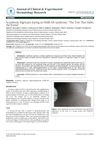
 The case shows skin changes can indicate deeper health issues like insulin resistance, which are challenging to manage.

Skin stem cells are crucial for maintaining and repairing skin, with potential for treating skin disorders and improving wound healing.
 January 2016 in “Springer eBooks”
 A 19-year-old male with delayed puberty was successfully treated for a condition that prevents normal hormone production.
 January 2016 in “Research Explorer (The University of Manchester)”
 Activating the Eda/Edar pathway improves wound healing by enhancing hair follicle growth.
 April 2015 in “Andrology”
 HNG may help prevent the negative effects of chemotherapy on sperm production and white blood cell counts.

Chrysanthemum zawadskii extract may help treat hair loss by promoting hair growth and affecting growth factors.

Hair follicles can be used to quickly assess drug effects in cancer treatment.
 September 2009 in “Annales D Endocrinologie”
 DHEA supplementation may improve quality of life, neuropsychological functions, and sexual satisfaction in individuals with adrenal insufficiency, but more research is needed to confirm its safety and effectiveness.
 January 2009 in “Elsevier eBooks”
 Some plant-based treatments may help with ovary function, insulin resistance, and excess male hormones in PCOS, but more research is needed to confirm their safety and effectiveness.

Dermal stem cells help regenerate hair follicles and heal skin wounds.
29 citations
,
January 2016 in “Disease Markers” Survivin and IGF-I may play a role in acne and scarring.
GPC1 is important for blood vessel growth in hair follicles and could help treat hair loss.
59 citations
,
November 2011 in “Development” Trps1 is essential for proper hair follicle development.
56 citations
,
March 1991 in “Journal of Investigative Dermatology”  18 citations
,
January 2008 in “Journal of The American Academy of Dermatology”
18 citations
,
January 2008 in “Journal of The American Academy of Dermatology” Certain proteins and their receptors are more active during the growth phase of human hair and could be targeted to treat hair disorders.
219 citations
,
July 1995 in “PubMed” Keratinocyte growth factor promotes hair growth and reduces hair loss from chemotherapy.
Mechanical stress causes ligament thickening through WISP-1 and Hedgehog signaling.
150 citations
,
June 1999 in “Oncogene” 288 citations
,
January 2001 in “Journal of Biological Chemistry” Tgm2 helps stabilize dying cells and aids fibroblast attachment to the extracellular matrix.
10 citations
,
April 2020 in “PloS one” Lack of Crif1 in hair follicle stem cells slows down hair growth in mice.
 January 2022 in “bioRxiv (Cold Spring Harbor Laboratory)”
 The gp130 receptor helps in tissue regeneration and disease progression, and manipulating it could improve healing and prevent disease.
July 2024 in “Journal of Investigative Dermatology” JW0061 may be a new treatment for hair loss by promoting hair growth through WNT signaling.
 24 citations
,
February 2015 in “Experimental Cell Research”
24 citations
,
February 2015 in “Experimental Cell Research” NFIC helps human dental stem cells grow and become tooth-like cells.