 September 2019 in “Journal of Investigative Dermatology”
 Targeted therapy with Ustekinumab significantly improved a skin condition called ILVEN, which is caused by mutations in the CARD14 gene.
July 2025 in “Journal of Investigative Dermatology” TRIV-509 quickly improves skin barrier and cell health in atopic dermatitis.
19 citations
,
September 2008 in “Journal of Cellular Physiology” Blocking EGFR can cause skin inflammation by disrupting IL-1 signaling.
IL-18 signaling helps mature Tregs move into the thymus.
1 citations
,
April 2023 in “Portuguese Journal of Dermatology and Venereology” JAK inhibitors are effective treatments for alopecia areata.
53 citations
,
August 2017 in “Journal of Investigative Dermatology” 18 citations
,
August 2024 in “eLife” JAK inhibition may help manage autoimmune conditions in Down syndrome.
1 citations
,
February 2025 in “International Journal of Dermatology” Abrocitinib may effectively treat Lichen Planopilaris.
16 citations
,
June 2018 in “JAAD case reports” A JAK inhibitor improved both severe hair loss and chronic skin disease in one patient.
 April 2017 in “Journal of Investigative Dermatology”
 HPH-15, a new compound, effectively reduces skin fibrosis in experiments without causing harm.
 April 2023 in “The journal of investigative dermatology/Journal of investigative dermatology”
 JAK inhibitors help hair growth by boosting beta-catenin activity in hair root cells.
45 citations
,
January 2021 in “Drug Delivery” MM-CEP/NLCs could effectively treat lung inflammation.
20 citations
,
September 1983 in “Archives of dermatology” The new synthetic retinoid RO 13-6298 effectively treated severe psoriasis at low doses with manageable side effects.
1 citations
,
July 2025 in “Journal of Investigative Dermatology” IL-27 may help prevent hair loss by creating immune-suppressing cells.
July 2025 in “Journal of Investigative Dermatology” Ritlecitinib reduces alopecia areata symptoms by blocking JAK3/TEC signaling and T-cell activity.
August 2024 in “JAAD Case Reports” Upadacitinib successfully regrew hair in a child with alopecia universalis and specific genetic mutations.
143 citations
,
May 2002 in “PubMed” LGD1069 effectively prevents breast tumors in mice without toxicity.
42 citations
,
April 2021 in “JCI insight” Blocking JAK3 signaling can reverse hair loss from alopecia areata.
69 citations
,
February 2008 in “The American journal of pathology” Controlled delivery of specific RNA and IL-4 restored hair growth in mice with autoimmune alopecia.
 August 2023 in “Journal of Dermatological Science”
 A specific RNA molecule blocks hair growth by affecting a protein related to hair loss conditions.
 1 citations
,
May 2022 in “Frontiers in Pharmacology”
1 citations
,
May 2022 in “Frontiers in Pharmacology” Astilbin can potentially calm overactive immune responses, like in Type 1 Diabetes, by suppressing certain cell activities and reducing inflammation.
2 citations
,
December 2024 in “eLife” JAK inhibition reduces autoimmune issues in Down syndrome.
 3 citations
,
March 2020 in “International Journal of Dermatology”
3 citations
,
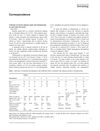
March 2020 in “International Journal of Dermatology” Tildrakizumab showed limited effectiveness in treating chronic alopecia areata in a small group of patients.
 March 2026 in “Clinical Cosmetic and Investigational Dermatology”
 Upadacitinib improved multiple immune-related conditions in one patient.
Ritlecitinib can reduce inflammation and help hair regrow in Alopecia Areata.
 May 2025 in “Orphanet Journal of Rare Diseases”
 TNF-α blockers and IL inhibitors improve symptoms in most patients with severe scalp condition, but more research is needed.
 3 citations
,
May 2018 in “Reproductive Sciences”
3 citations
,
May 2018 in “Reproductive Sciences” The drug BAY 1158061 is safe, well-tolerated, and shows potential for treating diseases related to prolactin.
 December 2023 in “Journal of Ayub Medical College Abbottabad”
 Ritlecitinib effectively treats alopecia areata in patients 12 and older with fewer side effects.
 January 2012 in “Journal of Investigative Dermatology”
 Small molecule DMF improves psoriasis and multiple sclerosis, adult skin cells can be made to grow new hair, certain skin cells initiate hair growth, IL-17C controls gut health and can cause skin inflammation, and skin cells produce IL-17 that can lead to psoriasis.
10 citations
,
May 2020 in “Dermatologic therapy” Tildrakizumab significantly improved recalcitrant lichen planopilaris and frontal fibrosing alopecia.