 April 2018 in “Journal of Investigative Dermatology”
 Claudin-1 and Claudin-3 are crucial for keeping hair follicle structure and preventing a type of hair loss called telogen effluvium.
 April 2018 in “Journal of Investigative Dermatology”
 The role of γδT-cells in causing alopecia areata remains unclear.
 April 2018 in “Journal of Investigative Dermatology”
 Nicotinic acid reduces excessive oil production in skin cells by activating a specific receptor, which could help treat acne.
 March 2018 in “Suez Canal University Medical Journal”
 New drugs targeting the JAK-STAT pathway show promise for treating inflammatory skin diseases.
 February 2018 in “Egyptian Journal of Radiation Sciences and Applications”
 Patients with Discoid Lupus Erythematosus have lower vitamin D and antioxidant levels and higher oxidative stress.
 April 2017 in “Journal of Investigative Dermatology”
 HPH-15, a new compound, effectively reduces skin fibrosis in experiments without causing harm.
 April 2017 in “Journal of Investigative Dermatology”
 Deep phenotyping helps distinguish between xeroderma pigmentosum and trichothiodystrophy, aiding in diagnosis and treatment.
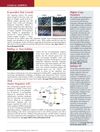 July 2016 in “Experimental Dermatology”
 New treatments for hair growth and psoriasis may be possible, and gene differences could affect baldness and the severity of skin conditions.
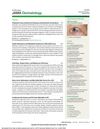 April 2016 in “JAMA Dermatology”
 Acne is not a key diagnostic feature for PCOS, postadolescent men with acne may have insulin resistance, melanoma patients often have few moles, tumor size in CSCC indicates higher risk of serious outcomes, and hidradenitis suppurativa is linked to higher risk of heart problems and death.
 January 2016 in “Springer eBooks”
 Understanding drug interactions, side effects, and patient-specific factors is crucial for effective dermatological care.
IL6 is linked to higher risk of heart disease in people with a certain mouth condition.
 April 2017 in “Journal of Investigative Dermatology”
 Higher leptin levels link to hair loss.
November 2025 in “The Journal of Immunology” A humanized IL-2 fusion protein boosts T regulatory cells and helps control hair loss in Alopecia Areata.
May 2006 in “The Journal of Cell Biology” Keratin 17 is crucial for cell growth in wound healing by aiding protein synthesis.
37 citations
,
August 2024 in “Current Issues in Molecular Biology” Keratins 6, 16, and 17 increase in damaged or diseased skin and may help diagnose skin issues.
 3 citations
,
July 2023 in “The journal of investigative dermatology/Journal of investigative dermatology”
3 citations
,
July 2023 in “The journal of investigative dermatology/Journal of investigative dermatology” Keratin 17 is important for skin's response to radiation, affecting many genes and cell division.
2 citations
,
May 2024 in “International Journal of Molecular Sciences” Targeting CD169+ skin macrophages may help treat psoriasis.
56 citations
,
March 2003 in “Journal of Investigative Dermatology” 17β-estradiol can reduce inflammation in the skin.
 32 citations
,
January 2012 in “Clinical & Developmental Immunology”
32 citations
,
January 2012 in “Clinical & Developmental Immunology” Targeting CD200 could be a new treatment for rheumatoid arthritis.
 March 2026 in “European journal of ecology, biology and agriculture.”
 Patients with alopecia areata have higher levels of certain immune markers, suggesting new treatment targets.
12 citations
,
January 2018 in “Journal of Clinical Laboratory Analysis” Certain IL-18 gene variations may increase the risk of alopecia areata.
37 citations
,
April 2018 in “Journal of Allergy and Clinical Immunology” A mutation in the IKZF1 gene causes immune system overactivity, linked to autoimmune diseases like lupus.
1 citations
,
January 2025 in “Archives of Dermatological Research” Higher levels of IL-1R1 and hsa-miR-19b-3p may help diagnose and predict alopecia areata severity.
38 citations
,
February 1988 in “Molecular and Cellular Biology” Only one of the two K16 genes on chromosome 17 makes a functional protein for keratin filaments.
 191 citations
,
May 2018 in “British journal of dermatology/British journal of dermatology, Supplement”
191 citations
,
May 2018 in “British journal of dermatology/British journal of dermatology, Supplement” Alopecia areata is likely an autoimmune disease with unclear triggers, involving various immune cells and molecules, and currently has no cure.
 88 citations
,
August 2019 in “Nature communications”
88 citations
,
August 2019 in “Nature communications” Researchers found a specific immune receptor in patients that causes severe skin reactions to a drug.
 78 citations
,
October 2020 in “Experimental Dermatology”
78 citations
,
October 2020 in “Experimental Dermatology” Hidradenitis suppurativa is caused by genetic factors, inflammation, bacteria, hormones, and lifestyle factors like obesity and smoking.
 66 citations
,
May 2021 in “Science Advances”
66 citations
,
May 2021 in “Science Advances” Different scaffold patterns improve wound healing and immune response in mouse skin, with aligned patterns being particularly effective.
 60 citations
,
September 2015 in “Expert Review of Clinical Immunology”
60 citations
,
September 2015 in “Expert Review of Clinical Immunology” Lymphocytes, especially CD8+ T cells, play a key role in causing alopecia areata, and targeting them may lead to new treatments.
 40 citations
,
December 2012 in “PLoS ONE”
40 citations
,
December 2012 in “PLoS ONE” Removing Ctip2 in skin cells causes skin inflammation similar to atopic dermatitis.