 August 2023 in “Natural Resources for Human Health”
 Vegetarians should take B vitamin supplements to avoid health issues.
 July 2023 in “Media Dermato Venereologica Indonesiana”
 Early diagnosis, stopping the suspected drug, and supportive care are crucial for treating Stevens-Johnson Syndrome and Toxic Epidermal Necrolysis.
 June 2023 in “International Journal of Clinical Research and Reports”
 Method B with propylene glycol is better for stable low-concentration DPCP solutions for alopecia areata.
 June 2023 in “Dermatology and therapy”
 The Middle East and Africa need better data, treatment consensus, and support for Alopecia Areata.
 June 2023 in “Medeniyet medical journal”
 People with alopecia areata have similar retinal structures but thicker choroidal regions compared to those without the condition.
 May 2023 in “Sučasna pedìatrìâ. Ukraïna”
 An 11-year-old child with total hair loss may have a genetic autoimmune disease, and the outlook for hair regrowth is not good.
 April 2023 in “Dermatology practical & conceptual”
 Tacrolimus solution is effective and well-tolerated for treating inflammatory scalp conditions.
 April 2023 in “Digital Library of Theses and Dissertations (Universidade de São Paulo)”
 Mesenchymal stem cells from laser-assisted liposuction are as effective and safe as those from conventional liposuction for cell therapy.

Mesenchymal stem cells from laser-assisted liposuction are as effective and safe as those from conventional methods for cell therapy.
 April 2023 in “Research Society and Development”
 Corticosteroids are safe and effective for treating Alopecia Areata.
 April 2023 in “Medizinische Genetik”
 New research has found 14 genes linked to the risk of developing alopecia areata, improving understanding and treatment options.
The study aims to create a model to improve personalized and preventive health care.
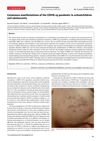 January 2023 in “Acta dermatovenerologica Alpina, Pannonica et Adriatica (Tiskana izd.)”
 The article concludes that schoolchildren and adolescents experienced various skin issues during the COVID-19 pandemic, including acne from masks and other skin reactions from the virus and vaccines.
 January 2023 in “European endocrinology”
 People with alopecia have a higher risk of thyroid cancer.
Lower LDL-c levels predict higher COVID-19 mortality.
 December 2022 in “Revista Medicina Cutánea Ibero-Latino-Americana”
 JAK inhibitors help treat alopecia areata but have high recurrence after stopping.
 October 2022 in “Dermatology practical & conceptual”
 People with hidradenitis suppurativa are more likely to have bipolar disorder than those with psoriasis or without skin conditions.
 July 2022 in “International journal of KIU”
 Genetics influence opioid addiction risk, diet affects COVID-19 severity, Aerva lanata may harm kidneys, some plants fight fungi and cancer, and nursing students need better contraceptive knowledge.
 June 2022 in “bioRxiv (Cold Spring Harbor Laboratory)”
 ILC1-like cells can cause alopecia areata by attacking hair follicles.
 April 2022 in “Health care of Tajikistan”
 Managing alopecia areata in children needs a personalized approach considering genetic, immune, and environmental factors.
 March 2022 in “Journal of Clinical Case Studies Reviews & Reports”
 COVID-19 can cause or worsen skin conditions and might show early signs of infection.
 March 2022 in “Journal of clinical case studies reviews & reports”
 COVID-19 can cause different skin issues, including rashes and hair loss.
 February 2022 in “International journal of KIU”
 Certain genes and nutrients like vitamin D, zinc, and omega fatty acids affect COVID-19 severity and infection risk.
 January 2022 in “Medical research archives”
 Taking vitamin D might improve life for MS patients and reduce skin side effects from alemtuzumab treatment.
 January 2022 in “International journal of zoology and animal biology”
 Dogs with dermatomyositis, especially Collies and Shetland Sheepdogs, need better treatments for their skin and muscle inflammation.
 November 2021 in “Research Square (Research Square)”
 MRI can enhance the quality and effectiveness of certain stem cells.
 October 2021 in “The Egyptian Journal of Hospital Medicine”
 Alopecia areata causes patchy hair loss and involves immune system disruptions.
 March 2021 in “Research Square (Research Square)”
 Patients with RASopathies have a higher risk of autoimmune disorders and should be routinely screened.
Alopecia Areata has no cure, treatments are limited, and the condition often recurs, but new therapies like JAK inhibitors show promise.
 February 2021 in “Journal of pharmaceutical and biological sciences”
 No cure exists for alopecia areata, and treatments are personalized.