 20 citations
,
December 2019 in “The journal of allergy and clinical immunology/Journal of allergy and clinical immunology/The journal of allergy and clinical immunology”
20 citations
,
December 2019 in “The journal of allergy and clinical immunology/Journal of allergy and clinical immunology/The journal of allergy and clinical immunology” Blocking IL-12/IL-23 does not help with hair loss in alopecia areata for mice or humans.
 68 citations
,
November 2015 in “The Journal of Allergy and Clinical Immunology”
68 citations
,
November 2015 in “The Journal of Allergy and Clinical Immunology” Blocking IL-12/IL-23p40 helped reverse severe hair loss in patients.
 278 citations
,
March 2013 in “Gut”
278 citations
,
March 2013 in “Gut” Anti-IL-12/IL-23 antibody therapy effectively treats psoriasiform skin lesions in IBD patients.
April 2016 in “Journal of Investigative Dermatology” Blocking certain proteins can significantly regrow hair in severe alopecia areata.
65 citations
,
December 2015 in “Experimental dermatology” Corticosteroid treatment reduces inflammation and alters hair keratins in alopecia areata.
1 citations
,
October 2017 JAK inhibitors are effective for hair regrowth in severe alopecia areata.
 April 2018 in “Journal of Investigative Dermatology”
 Both Th1 and Th2 immune responses are increased in alopecia areata, with Th2 response more strongly linked to how severe the disease is.
3 citations
,
September 2025 in “Frontiers in Immunology” JAK inhibitors are effective for treating moderate-to-severe alopecia areata.
20 citations
,
March 2019 in “Case Reports in Dermatology” IL-17 inhibitors for psoriasis may cause unexpected hair loss.
 176 citations
,
August 2015 in “The journal of allergy and clinical immunology/Journal of allergy and clinical immunology/The journal of allergy and clinical immunology”
176 citations
,
August 2015 in “The journal of allergy and clinical immunology/Journal of allergy and clinical immunology/The journal of allergy and clinical immunology” Alopecia areata involves immune activation in the scalp, suggesting treatments targeting TH1, TH2, and IL-23 pathways.
 23 citations
,
December 2021 in “Frontiers in Immunology”
23 citations
,
December 2021 in “Frontiers in Immunology” IL-1 family cytokines are crucial for skin defense and healing, but their imbalance can cause skin diseases.
44 citations
,
June 2023 in “Cell Reports” IL-1 promotes fat cell growth in skin, while WNT inhibits it and encourages scar formation.
23 citations
,
January 2016 in “Frontiers in immunology” Using low-dose IL-2 to increase regulatory T cells might be a safe way to treat type 1 diabetes without severe side effects.
 September 2024 in “Cureus”
 Guselkumab effectively treats skin reactions caused by adalimumab in certain conditions.

Menopause-related skin changes may increase fungal infections and inflammation.
 30 citations
,
May 2016 in “Expert Opinion on Biological Therapy”
30 citations
,
May 2016 in “Expert Opinion on Biological Therapy” New treatments targeting immune pathways show promise for severe hair loss but need more research for safety and effectiveness.
 78 citations
,
October 2020 in “Experimental Dermatology”
78 citations
,
October 2020 in “Experimental Dermatology” Hidradenitis suppurativa is caused by genetic factors, inflammation, bacteria, hormones, and lifestyle factors like obesity and smoking.
 57 citations
,
April 2019 in “British journal of dermatology/British journal of dermatology, Supplement”
57 citations
,
April 2019 in “British journal of dermatology/British journal of dermatology, Supplement” Alopecia areata involves immune system imbalances that may lead to depression and anxiety.
20 citations
,
November 2017 in “JAAD case reports” Ustekinumab significantly improved psoriasis, vitiligo, and alopecia areata in a patient.
 9 citations
,
January 2018 in “Acta dermato-venereologica”
9 citations
,
January 2018 in “Acta dermato-venereologica” A substance called poly(I:C) increases a protein called carbonic anhydrase II in skin cells, which might help with skin defense and healing.
57 citations
,
August 2023 in “American Journal of Clinical Dermatology” JAK inhibitors and platelet-rich plasma show promise for treating alopecia areata.
 2 citations
,
September 2020 in “Journal of Education Health and Sport”
2 citations
,
September 2020 in “Journal of Education Health and Sport” Higher IL-15 levels are linked to more severe hair loss in alopecia areata.
 144 citations
,
November 2020 in “Frontiers in immunology”
144 citations
,
November 2020 in “Frontiers in immunology” Targeting the IL-23/IL-17 pathway effectively treats several inflammatory skin diseases.
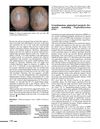 8 citations
,
July 2018 in “European Journal of Dermatology”
8 citations
,
July 2018 in “European Journal of Dermatology” A medication may help with hair growth in psoriasis, and a skin condition might be linked to a specific bacteria.
 16 citations
,
June 2017 in “Advances in Therapy”
16 citations
,
June 2017 in “Advances in Therapy” New treatments for hair loss are showing promise due to better understanding of genetics and the immune system.
 May 2024 in “Frontiers in Immunology”
 Type-2 immunity may influence skin diseases and could be targeted for treatment.
 66 citations
,
March 2018 in “British journal of dermatology/British journal of dermatology, Supplement”
66 citations
,
March 2018 in “British journal of dermatology/British journal of dermatology, Supplement” An imbalance between certain immune cells is linked to a chronic skin condition and may be influenced by obesity, smoking, and autoimmune issues.
 3 citations
,
July 2018 in “European Journal of Dermatology”
3 citations
,
July 2018 in “European Journal of Dermatology” An elderly man's hair grew back after treatment with secukinumab, possibly due to reduced scalp inflammation or the medication's direct effects.
 77 citations
,
June 2017 in “Advances in Therapy”
77 citations
,
June 2017 in “Advances in Therapy” New treatments for Alopecia Areata, like JAK inhibitors, show promise for hair regrowth and are likely to change future treatment approaches.
 40 citations
,
August 2022 in “Frontiers in immunology”
40 citations
,
August 2022 in “Frontiers in immunology” Blocking JAK/STAT pathways can help treat hair loss from alopecia areata.