 144 citations
,
July 2015 in “Clinical, Cosmetic and Investigational Dermatology”
144 citations
,
July 2015 in “Clinical, Cosmetic and Investigational Dermatology” Alopecia areata is a common autoimmune disease affecting about 2% of people, causing significant disability and often associated with mental health issues and other autoimmune conditions.
 110 citations
,
July 2017 in “Immunology”
110 citations
,
July 2017 in “Immunology” Skin's Regulatory T cells are crucial for maintaining skin health and could be targeted to treat immune-related skin diseases and cancer.
 89 citations
,
October 1996 in “Dermatologic Clinics”
89 citations
,
October 1996 in “Dermatologic Clinics” Alopecia areata is likely caused by a combination of genetic factors and immune system dysfunction, and may represent different diseases with various causes.
56 citations
,
October 2016 in “Journal of dermatological science” New insights into the causes and treatments for the autoimmune hair loss condition Alopecia areata have been made.
55 citations
,
October 2019 in “The journal of allergy and clinical immunology/Journal of allergy and clinical immunology/The journal of allergy and clinical immunology” The review suggests that other immune cells besides CD8+ T cells may contribute to alopecia areata and that targeting regulatory cell defects could improve treatment.
 48 citations
,
April 2010 in “Journal of the European Academy of Dermatology and Venereology”
48 citations
,
April 2010 in “Journal of the European Academy of Dermatology and Venereology” Men are more likely to get infectious skin diseases, while women are more prone to autoimmune and pigment-related skin conditions, influenced by biological and environmental factors.
 48 citations
,
January 2000 in “Hormone Research in Paediatrics”
48 citations
,
January 2000 in “Hormone Research in Paediatrics” Cytokines and neuropeptides are key in controlling androgen levels, affecting skin and hair conditions.
47 citations
,
January 2024 in “iScience” Stress keratins are expressed less in diseased skin and are linked to differentiation, inflammation, and immunity.
45 citations
,
May 2024 in “International Journal of Molecular Sciences” Alopecia areata is caused by immune attacks on hair follicles, affecting hair growth and quality of life.
 41 citations
,
December 2015 in “Journal of the European Academy of Dermatology and Venereology”
41 citations
,
December 2015 in “Journal of the European Academy of Dermatology and Venereology” The conclusion is that a new biopsy technique and humidity chamber help study skin mites better and suggest mite overpopulation may cause skin diseases.
 26 citations
,
June 2012 in “The Journal of Obstetrics and Gynecology of India”
26 citations
,
June 2012 in “The Journal of Obstetrics and Gynecology of India” Most skin changes during pregnancy are harmless and temporary, but some can risk the fetus and need careful treatment.
 15 citations
,
January 2020 in “Experimental Dermatology”
15 citations
,
January 2020 in “Experimental Dermatology” The document concludes that understanding and treatments for alopecia areata have significantly advanced, now recognizing it as an autoimmune disorder.
 15 citations
,
July 1999 in “Dermatologic Clinics”
15 citations
,
July 1999 in “Dermatologic Clinics” The document concludes that immune system abnormalities cause alopecia areata, but the exact process is still not completely understood.
 14 citations
,
January 2006 in “Skinmed”
14 citations
,
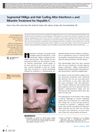
January 2006 in “Skinmed” A woman developed white patches on her skin and curly hair after hepatitis C treatment, likely due to the medication interferon alpha.
 12 citations
,
May 2017 in “Pharmacology & therapeutics”
12 citations
,
May 2017 in “Pharmacology & therapeutics” Targeting immune tolerance issues in Alopecia Areata could restore hair growth and maintain remission.
 11 citations
,
February 2021 in “Biomedicines”
11 citations
,
February 2021 in “Biomedicines” Bacteria in our hair can affect its health and growth, and studying these bacteria could help us understand hair diseases better.
10 citations
,
October 2018 in “JDDG Journal der Deutschen Dermatologischen Gesellschaft” Most skin conditions in Down syndrome are benign and involve dry or thickened skin.
 9 citations
,
January 2015 in “Current problems in dermatology”
9 citations
,
January 2015 in “Current problems in dermatology” Scientists have found specific genes linked to different hair loss conditions, which could lead to new treatments.
 7 citations
,
October 2013 in “British Journal of Dermatology”
7 citations
,
October 2013 in “British Journal of Dermatology” HIV can cause skin disorders, which are often the first sign of infection, especially in people with darker skin.
 7 citations
,
January 2013 in “Journal of Investigative Dermatology”
7 citations
,
January 2013 in “Journal of Investigative Dermatology” Vitamin A may influence hair loss conditions like alopecia, but more research is needed to understand how.
6 citations
,
September 2013 in “Journal of Evolution of Medical and Dental Sciences” Low CD4 counts in HIV patients are linked to more skin disorders.
 3 citations
,
November 2023 in “Frontiers in cell and developmental biology”
3 citations
,
November 2023 in “Frontiers in cell and developmental biology” Melanocytes are important for skin and hair color and protect the skin from UV damage.
1 citations
,
January 2018 in “Skin appendage disorders” The complement system might be involved in the development of alopecia areata and could lead to new treatments.
January 2026 in “Clinical & Translational Oncology” Early intervention and tailored management are crucial for skin side effects in cancer treatments.
 November 2025 in “Frontiers in Immunology”
 Immune cells are crucial for normal skin development and their dysfunction can cause skin disorders.
 May 2025 in “International Society of Hair Restoration Surgery”
 Exosomes show promise for promoting hair growth and treating scalp disorders.
March 2025 in “NATIONS UNIVERSITY INTERNATIONAL JOURNAL OF MULTI-DISCIPLINARY STUDIES” Baricitinib effectively improved skin and hair conditions in a patient with alopecia areata and atopic dermatitis.
 January 2025 in “bioRxiv (Cold Spring Harbor Laboratory)”
 Potential therapeutic targets for scarring hair loss are identified.
 August 2023 in “American Journal of Hospice and Palliative Medicine”
 People in palliative care often have skin problems due to their main illness or other health issues, and treatments focus on comfort and quality of life.
 January 2023 in “Sibirskij medicinskij vestnik”
 Women with PCOS are more vulnerable to severe COVID-19 and related health issues.