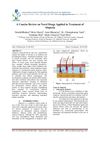
New therapies like JAK inhibitors, PRP, and stem cell treatments show promise for better alopecia management.
 January 2025 in “Journal of Cosmetic Dermatology”
 Exosomes may help with hair growth and scar healing, but more research is needed.
July 2024 in “Journal of Investigative Dermatology” INTASYL is a promising, adaptable RNAi technology for treating skin cancers.
January 2018 in “Refubium (Universitätsbibliothek der Freien Universität Berlin)” Nanocarriers can improve skin treatments by effectively delivering drugs and enhancing skin hydration.
 April 2017 in “Journal of Investigative Dermatology”
 Fisetin may help treat psoriasis and reduce skin inflammation.
 8 citations
,
April 2019 in “International journal of scientific research in biological science”
8 citations
,
April 2019 in “International journal of scientific research in biological science” Tridax procumbens is a widely used medicinal plant with many health benefits.
 September 2022 in “Ciencia Unemi”
 More clinical trials are needed to confirm if plant-based products can effectively treat COVID-19.
5 citations
,
January 2007 in “Immunopharmacology and Immunotoxicology” 17β-Estradiol boosts allergic reactions and slows thymus aging in mice.
 November 2025 in “Stem Cell Research & Therapy”
 Human hair follicle cells can help regenerate hair and reduce inflammation, aiding in hair loss treatment.
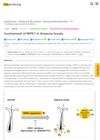
RIPK1 inhibitors might help prevent alopecia areata.
 January 2019 in “Revista Medicina Cutánea Ibero-Latino-Americana”
 Vitamin D is important for skin health and can help improve various skin conditions.
11 citations
,
August 2021 in “Stem Cell Research & Therapy” Pimecrolimus reduces the effectiveness of stem cell therapy for atopic dermatitis.
 March 2026 in “Science China Materials”
 SeV-Tp speeds up healing of drug-resistant infections by targeting wounds and killing bacteria with light activation.
94 citations
,
December 2018 in “Dentistry Journal” Oral-derived stem cells can effectively regenerate bone and tissues in dental procedures.
39 citations
,
April 2019 in “The journal of immunology/The Journal of immunology” Malt1 protease is essential for regulatory T cell function and could be targeted to boost antitumor immunity.
4 citations
,
September 2024 in “Cell Reports” Granulocyte colony stimulating factor helps heal wounds without scars.
February 2026 in “Journal of Korea Society of Ingrielogy” PDO threads might help with hair loss, but more research is needed.
 10 citations
,
January 2012 in “Lupus”
10 citations
,
January 2012 in “Lupus” NEMO syndrome and systemic lupus erythematosus are linked in a new disease association.
10 citations
,
July 2023 in “World Journal of Stem Cells” The secretome helps protect and regenerate retinal cells by enabling communication between stem cells and retinal cells.
6 citations
,
September 2024 in “Cell Communication and Signaling” Cell junctions are crucial for healthy skin by supporting sebaceous gland function and sebum production.
 August 2023 in “Dermatology and Therapy”
 Imiquimod can cause rare skin side effects, some irreversible, and long-term follow-up is important for users.
January 2009 in “Frontiers in Bioengineering and Biotechnology” Current wound healing treatments are imperfect, and better therapies are needed.
 September 2025 in “PubMed”
 Mechanical stimulation and new therapies show promise for hair regrowth.
122 citations
,
December 2022 in “International Journal of Molecular Sciences” Nanoparticles improve skin treatment but need more research on safety and effectiveness.
3 citations
,
January 2024 in “Cell Transplantation” Combining platelet concentrates with stem cells improves regenerative therapies.
 1 citations
,
April 2026 in “Cancer Nanotechnology”
1 citations
,
April 2026 in “Cancer Nanotechnology” Nanozymes could improve cancer diagnosis and treatment by mimicking enzymes and enhancing delivery to tumors.
 May 2017 in “Journal of The American Academy of Dermatology”
 PLAU and SerpinB2 affect cell death differently in various forms of leprosy and could be targets for new treatments.
1 citations
,
July 2024 in “Journal of Associated Medical Sciences” Exosomes from stem cells can help heal and repair tissues.
 May 2026 in “Mendeley Data”
 Hair follicle stem cells and their exosomes help repair nerve injuries.
 49 citations
,
October 2014 in “International Scholarly Research Notices”
49 citations
,
October 2014 in “International Scholarly Research Notices” Eclipta alba has many health benefits and contains compounds with potential for drug development.