8 citations
,
July 2020 in “Clinical, cosmetic and investigational dermatology” Excessive sun protection might cause frontal fibrosing alopecia by disrupting skin immune balance.
 November 2025 in “Trends in Immunotherapy”
 Exosomes from certain cells can improve hair regrowth by changing the immune response.
 April 2024 in “bioRxiv (Cold Spring Harbor Laboratory)”
 GRK2 is essential for healthy hair follicle function, and its absence can lead to hair loss and cysts.
 20 citations
,
June 2010 in “Genes and Immunity”
20 citations
,
June 2010 in “Genes and Immunity” Blood tests can help understand the genetic differences in people with alopecia areata, including how severe it is and if it's inherited.
 14 citations
,
January 1985 in “International Journal of Dermatology”
14 citations
,
January 1985 in “International Journal of Dermatology” The cause of alopecia areata was unknown, and while various treatments existed, no best treatment was agreed upon.
3 citations
,
February 2023 in “Frontiers in Immunology” The IGRA test effectively detects past SARS-CoV-2 exposure, especially using nucleocapsid peptides.
2 citations
,
November 2025 in “Pharmaceutics” Cell-mediated drug delivery systems improve skin disease treatment by using living cells for precise, prolonged, and less toxic therapy.
 127 citations
,
January 2013 in “PLOS ONE”
127 citations
,
January 2013 in “PLOS ONE” Probiotic bacteria improved skin and hair health in aged mice.
 27 citations
,
January 2015 in “Current problems in dermatology”
27 citations
,
January 2015 in “Current problems in dermatology” The document concludes that primary scarring alopecias cause permanent hair loss, have unpredictable outcomes, and lack definitive treatments, requiring personalized care.
 23 citations
,
October 2018 in “Australasian Journal of Dermatology”
23 citations
,
October 2018 in “Australasian Journal of Dermatology” The current understanding of frontal fibrosing alopecia involves immune, genetic, hormonal factors, and possibly environmental triggers, but more research is needed for effective treatments.
 March 2025 in “Kerala Journal of Ayurveda”
 Ayurvedic treatments successfully regrew hair and reduced hair loss in a woman with alopecia areata.
 23 citations
,
June 2003 in “Journal of Investigative Dermatology Symposium Proceedings”
23 citations
,
June 2003 in “Journal of Investigative Dermatology Symposium Proceedings” Alopecia Areata is an autoimmune disease affecting hair follicles, influenced by genetic and environmental factors, with rodent models being essential for research.
 5 citations
,
September 1989 in “Journal of The American Academy of Dermatology”
5 citations
,
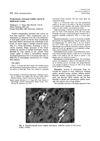
September 1989 in “Journal of The American Academy of Dermatology” Talc in street cocaine can cause immune-reactive skin nodules where injected.
 13 citations
,
October 2019 in “Journal of lasers in medical sciences”
13 citations
,
October 2019 in “Journal of lasers in medical sciences” CO2 laser treatment for aging skin significantly changes immune system-related genes.
 421 citations
,
April 2012 in “The New England Journal of Medicine”
421 citations
,
April 2012 in “The New England Journal of Medicine” Alopecia Areata is an autoimmune condition causing hair loss with no cure and treatments that often don't work well.
34 citations
,
August 2019 in “Journal of Allergy and Clinical Immunology” mTORC2 is crucial for healthy skin barrier by regulating lipids and filaggrin.
 1 citations
,
January 2016 in “Dermatology Review”
1 citations
,
January 2016 in “Dermatology Review” Vitamin D might help treat alopecia areata.
 January 2026 in “Scientific Reports”
 PCOS involves immune and genetic factors, with key roles for T cells and specific genes.
 124 citations
,
June 2020 in “Cell Stem Cell”
124 citations
,
June 2020 in “Cell Stem Cell” Fat cells in the skin help start healing and form important repair cells after injury.
 22 citations
,
February 2013 in “Wound Repair and Regeneration”
22 citations
,
February 2013 in “Wound Repair and Regeneration” Mice genetically modified to produce more CD109 in their skin had less inflammation and better healing with less scarring.
 13 citations
,
January 2020 in “Scientific Reports”
13 citations
,
January 2020 in “Scientific Reports” The African spiny mouse heals skin without scarring due to different protein activity compared to the common house mouse, which heals with scarring.
 5 citations
,
February 2022 in “International Journal of Molecular Sciences”
5 citations
,
February 2022 in “International Journal of Molecular Sciences” Different immune cells like platelets, mast cells, neutrophils, macrophages, T cells, B cells, and innate lymphoid cells all play roles in skin wound healing, but more research is needed due to inconsistent results and the complex nature of the immune response.
 1 citations
,
October 2022 in “JCI insight”
1 citations
,
October 2022 in “JCI insight” Deleting the BRD4 protein in certain skin cells causes hair loss and skin inflammation.
 12 citations
,
June 2005 in “Journal of the European Academy of Dermatology and Venereology”
12 citations
,
June 2005 in “Journal of the European Academy of Dermatology and Venereology” A man with HIV developed skin and hair issues after starting HIV treatment, which improved with topical treatment.
 37 citations
,
November 2003 in “Veterinary pathology”
37 citations
,
November 2003 in “Veterinary pathology” Hair loss in mice starts with immune cells damaging hair roots before it becomes visible.
13 citations
,
May 2023 in “Journal of Dermatological Science” Reduced SIRT1 in hair cells may cause alopecia areata by triggering immune responses.
245 citations
,
October 2015 in “Nature medicine” Hair follicle-derived IL-7 and IL-15 are crucial for maintaining skin-resident memory T cells and could be targeted for treating skin diseases and lymphoma.
54 citations
,
December 2011 in “American Journal Of Pathology” A Gsdma3 mutation causes hair loss due to stem cell damage from skin inflammation.
 3 citations
,
August 2024
3 citations
,
August 2024 Deep skin fibroblasts help recruit immune cells for better wound healing.
16 citations
,
March 2017 in “Oncotarget” SOCS3 treatment can prevent hair loss by stopping harmful immune responses.