 2 citations
,
April 2024 in “Advanced Materials”
2 citations
,
April 2024 in “Advanced Materials” A microneedle patch can help regrow hair by restoring immune balance in hair follicles.
2 citations
,
May 2023 in “Veterinary Pathology” Understanding genetic variations in mice is crucial for studying skin, hair, or nail abnormalities.
53 citations
,
September 2013 in “Journal of Investigative Dermatology” Hair follicle cells help protect against immune attacks by regulating T-cell activity.
 April 2023 in “Journal of Investigative Dermatology”
 An automated method accurately assesses melanoma risk using 3D body images to analyze skin traits.
 October 2021 in “Journal of Investigative Dermatology”
 COVID-19 infection rates were low in patients with immune diseases, regardless of their treatment type.
 April 2023 in “Journal of Investigative Dermatology”
 An automated system can predict death risk in thin melanoma by analyzing immune cells.
 1 citations
,
April 2019 in “The journal of investigative dermatology/Journal of investigative dermatology”
1 citations
,
April 2019 in “The journal of investigative dermatology/Journal of investigative dermatology” Melanocyte-associated antigens may play a key role in alopecia areata and could be targets for new treatments.
 February 2026 in “ImmunoTargets and Therapy”
 Tumor immunotherapy can cause hair loss by disrupting hair follicle immunity.
4 citations
,
June 2024 in “British Journal of Dermatology” EGFRi/MEKi treatments cause hair follicles to lose some immune protection, leading to inflammation.
 March 2006 in “Drug Discovery Today: Therapeutic Strategies”
 The 2006 editorial concluded that immunotherapy was advancing with new drugs, focusing on specific biological therapies and convenient oral treatments, and highlighted the importance of partnerships and new regulations in the field.

Modern skin cancer treatments can cause skin side effects and hair loss, affecting patients' quality of life.
 4 citations
,
May 2021 in “The American Journal of Surgical Pathology”
4 citations
,
May 2021 in “The American Journal of Surgical Pathology” Cutaneous Lymphadenoma is a unique skin tumor with specific protein markers and common gene mutations that may cause continuous cell growth.
2 citations
,
June 2025 in “Journal of Investigative Dermatology” CD8+ T cells re-expressing CD45RA may predict treatment resistance in severe alopecia areata.
5 citations
,
June 2012 in “Journal of Investigative Dermatology” A new mouse model for vitiligo helps study immune responses and potential treatments.
 4 citations
,
November 2016 in “Journal of Cutaneous Pathology”
4 citations
,
November 2016 in “Journal of Cutaneous Pathology” Three characteristics of plasmacytoid dendritic cells help tell apart lupus-related hair loss from LPP.
139 citations
,
October 2005 in “Journal of Investigative Dermatology” The nail matrix has a reduced immune response, protecting it from autoimmunity.
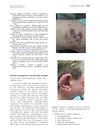
A 72-year-old man was diagnosed with a rare skin form of Rosai-Dorfman disease after years of misdiagnosis.
 3 citations
,
May 2018 in “Journal of Cosmetic Dermatology”
3 citations
,
May 2018 in “Journal of Cosmetic Dermatology” Biopsy can differentiate between alopecia areata and androgenic alopecia, and if more information is needed, testing for CD3 and CD8 can help.
April 2023 in “Journal of Investigative Dermatology” Contact immunotherapy can change immune responses in alopecia areata, suggesting new treatment targets.
ILC1-like cells may contribute to hair loss in alopecia areata.
June 2023 in “The Journal of Dermatology” July 2024 in “Journal of Investigative Dermatology” CD8+ T cells expand significantly in alopecia areata, suggesting new treatment targets.
16 citations
,
September 2006 in “The Journal of Immunology” MILL molecules are unique immune proteins in mice that don't need TAP to appear on cell surfaces.
April 2023 in “Journal of Investigative Dermatology” Increased TEMRA cells can predict treatment outcomes in rapidly progressive alopecia areata.
11 citations
,
February 1982 in “Mutation Research/Fundamental and Molecular Mechanisms of Mutagenesis” A new method can detect mutations in mice by observing changes in hair follicle cells.
20 citations
,
July 1987 in “Development Genes and Evolution” June 2020 in “Zenodo (CERN European Organization for Nuclear Research)” Controlled microflora in animals delays immune cell maturation and affects immunity.
2 citations
,
November 2024 in “JAAD Case Reports” Anti-PD-L1 immunotherapy can cause hair loss and unexpected hair color change, but treatment can restore hair growth and color.
1 citations
,
April 2004 in “Cancer” Imatinib mesylate can cause skin lightening, especially in Chinese patients, due to its effect on pigment production.
January 2011 in “Repository KITopen (Karlsruhe Institute of Technology)” Blocking certain proteins on immune cells may help treat alopecia areata.