 April 2026 in “Frontiers in Immunology”
 Blocking the CXCL12–CXCR4 axis may help treat hair loss in alopecia.
 April 2023 in “The journal of investigative dermatology/Journal of investigative dermatology”
 T cells with memory features grow in number and gather around hair follicles when there are not enough immune cells.
October 2018 in “The American journal of gastroenterology” Pembrolizumab can cause serious liver issues, requiring close monitoring and early treatment.
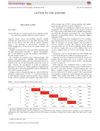
 June 2022 in “bioRxiv (Cold Spring Harbor Laboratory)”
 ILC1-like cells can cause alopecia areata by attacking hair follicles.
 1 citations
,
August 2019 in “Australasian journal of dermatology”
1 citations
,
August 2019 in “Australasian journal of dermatology” Immunotherapy can help treat severe alopecia areata.
5 citations
,
January 1994 in “Dermatology” Corticosteroid therapy reduces specific immune cells and promotes hair growth in alopecia areata patients.
 18 citations
,
November 2020 in “Frontiers in Cell and Developmental Biology”
18 citations
,
November 2020 in “Frontiers in Cell and Developmental Biology” Inflammation plays a key role in activating skin stem cells for hair growth and wound healing, but more research is needed to understand how it directs cell behavior.
245 citations
,
January 2010 in “Blood” Antihepcidin antibodies may treat inflammation-induced anemia by improving iron metabolism.
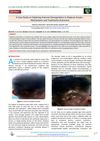 July 2025 in “International Journal of Pharmaceutical Sciences Review and Research”
 Individualized treatment and psychological support improved the patient's quality of life and appearance despite medication side effects.
November 2024 in “Journal of Investigative Dermatology” April 2016 in “The journal of investigative dermatology/Journal of investigative dermatology” Neoplasms hide in hair follicles to avoid the immune system.
 27 citations
,
January 2012 in “Current Topics in Microbiology and Immunology”
27 citations
,
January 2012 in “Current Topics in Microbiology and Immunology” Mice that can regenerate tissue have cells that pause in the cell cycle, which is important for healing, similar to axolotls.
 1 citations
,
June 2020 in “bioRxiv (Cold Spring Harbor Laboratory)”
1 citations
,
June 2020 in “bioRxiv (Cold Spring Harbor Laboratory)” Fetal skin has unique immune cells different from adult skin.
 July 2026 in “Research Data Repository, Duke University”
 DMAP scaffolds help tissue regeneration by activating B cells and humoral immunity.
 April 2018 in “Journal of Investigative Dermatology”
 Blocking a specific immune cell signal can trigger hair growth.
2 citations
,
September 2020 in “International Journal of Molecular Sciences” Removing certain hair follicle stem cells worsens skin reactions to allergens.
6 citations
,
August 2023 in “Journal of Investigative Dermatology” Skin plays a key role in managing iron levels, and inflammation can affect systemic iron, potentially causing anemia.
1 citations
,
January 2024 in “ACS Medicinal Chemistry Letters” TYK2 inhibitors show promise for treating cancer and autoimmune disorders.
 12 citations
,
May 2017 in “Pharmacology & therapeutics”
12 citations
,
May 2017 in “Pharmacology & therapeutics” Targeting immune tolerance issues in Alopecia Areata could restore hair growth and maintain remission.
25 citations
,
November 2020 in “Cell Reports Medicine” Developing human skin has immune cells with memory-like features.
25 citations
,
December 2017 in “The journal of investigative dermatology. Symposium proceedings/The Journal of investigative dermatology symposium proceedings” Targeted cytokine treatments may help with alopecia areata, but more research is needed.
29 citations
,
April 2000 in “Journal of histochemistry and cytochemistry/The journal of histochemistry and cytochemistry” ICAM-1 helps regulate hair growth cycles and skin remodeling.
14 citations
,
July 2021 in “Anais brasileiros de dermatologia/Anais Brasileiros de Dermatologia” Interleukin levels are higher in alopecia areata patients but don't predict disease severity or duration.
 10 citations
,
January 2013 in “Clinical and developmental immunology/Clinical & developmental immunology”
10 citations
,
January 2013 in “Clinical and developmental immunology/Clinical & developmental immunology” The document concludes that systemic autoimmune diseases are complex, incurable, and require ongoing treatment and research.
 41 citations
,
September 2012 in “Cellular and Molecular Life Sciences”
41 citations
,
September 2012 in “Cellular and Molecular Life Sciences” MicroRNAs play a crucial role in skin and hair health, affecting everything from growth to aging, and could potentially be used in treating skin diseases.
 April 2015 in “Plastic and Reconstructive Surgery”
 TLR3 activation helps improve skin and hair follicle healing in mice.
20 citations
,
March 2021 in “Drug design, development and therapy” Topical immunotherapy can treat alopecia areata, but its effectiveness varies and the exact mechanism is unclear.
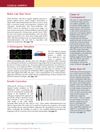 January 2016 in “Journal of Investigative Dermatology”
 Some cells may slow melanoma growth, a protein could affect skin pigmentation, a gene-silencing method might treat hair defects, skin bacteria changes likely result from eczema, and a defensin protein could help treat multiple sclerosis.
 April 2023 in “Journal of Investigative Dermatology”
 The mTOR signaling pathway might play a role in radiation dermatitis, but more research is needed.
 13 citations
,
October 2019 in “Journal of lasers in medical sciences”
13 citations
,
October 2019 in “Journal of lasers in medical sciences” CO2 laser treatment for aging skin significantly changes immune system-related genes.