 121 citations
,
November 2020 in “Endocrine”
121 citations
,
November 2020 in “Endocrine” Male hormones like testosterone may make COVID-19 worse, and testing for sensitivity to these hormones could help predict how severe a patient's symptoms might be. Treatments that reduce these hormones are being explored.
 105 citations
,
February 2017 in “British Journal of Dermatology”
105 citations
,
February 2017 in “British Journal of Dermatology” Survivors of Stevens-Johnson syndrome/toxic epidermal necrolysis need ongoing care for various long-term health problems.
 102 citations
,
December 2017 in “The journal of investigative dermatology. Symposium proceedings/The Journal of investigative dermatology symposium proceedings”
102 citations
,
December 2017 in “The journal of investigative dermatology. Symposium proceedings/The Journal of investigative dermatology symposium proceedings” Restoring hair bulb immune privilege is crucial for managing alopecia areata.
 82 citations
,
June 2020 in “Inflammation Research”
82 citations
,
June 2020 in “Inflammation Research” Skin problems in COVID-19 patients are rare and may be due to the body's complex immune response or blood clotting issues.
 29 citations
,
April 2019 in “BMJ. British medical journal”
29 citations
,
April 2019 in “BMJ. British medical journal” Men taking dutasteride or finasteride have a slightly higher risk of developing type 2 diabetes.
 10 citations
,
January 2024 in “Polymer Chemistry”
10 citations
,
January 2024 in “Polymer Chemistry” Lipid–polymer hybrid nanoparticles can improve genome editing delivery and outcomes.
 10 citations
,
January 2023 in “Molecular and Cellular Biochemistry”
10 citations
,
January 2023 in “Molecular and Cellular Biochemistry” Solanum nigrum shows promise for treating COVID-19 and its complications, but more research is needed.
 10 citations
,
January 2018 in “Postępy Dermatologii i Alergologii”
10 citations
,
January 2018 in “Postępy Dermatologii i Alergologii” Treating alopecia areata every 3 weeks with diphenylcyclopropenone is more effective than weekly treatments.
 4 citations
,
May 2025 in “Frontiers in Immunology”
4 citations
,
May 2025 in “Frontiers in Immunology” JAK inhibitors effectively and safely treat alopecia areata with few serious side effects.
 4 citations
,
January 2020 in “Lasers in Surgery and Medicine”
4 citations
,
January 2020 in “Lasers in Surgery and Medicine” Using a 308-nm excimer lamp with minoxidil promotes hair growth in Alopecia Areata patients, especially younger ones or those with smaller bald spots.
 3 citations
,
April 2019 in “Annals of hepatology”
3 citations
,
April 2019 in “Annals of hepatology” Peanut allergies can be transferred through organ transplants.
 2 citations
,
April 2022 in “Clinical, cosmetic and investigational dermatology”
2 citations
,
April 2022 in “Clinical, cosmetic and investigational dermatology” A new plant-based treatment was effective for hair regrowth in women with a specific type of hair loss that didn't respond to usual treatments.
 2 citations
,
July 2018 in “Our Dermatology Online”
2 citations
,
July 2018 in “Our Dermatology Online” Calcipotriol cream reduced skin thickening and itching in a rare nipple condition.
 2 citations
,
January 2014 in “Hair therapy & transplantation”
2 citations
,
January 2014 in “Hair therapy & transplantation” New treatments for hair growth disorders are needed due to limited current options and complex hair follicle biology.
 April 2026 in “Journal of Pharmaceutical Investigation”
 Nanotechnology could improve treatment for scars and atopic dermatitis by targeting skin issues more effectively.
 February 2026 in “Frontiers in Immunology”
 Ivarmacitinib significantly improved hair regrowth in severe alopecia areata after tofacitinib was less effective.
 November 2025 in “The Journal of Medical Sciences”
 Intralesional triamcinolone is more effective than cryotherapy for treating alopecia areata in middle-aged adults.
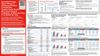 November 2025 in “SKIN The Journal of Cutaneous Medicine”
 Baricitinib works better in adolescents than adults for treating severe alopecia areata.
 May 2025 in “Journal of Diverse Medical Research Medicosphere”
 More research is needed to understand and manage angioedema in pregnant women with lupus.
 January 2025 in “Acta Dermatovenerologica Alpina Pannonica et Adriatica”
 JAK inhibitors can help regrow hair in alopecia areata but have potential long-term risks and require careful monitoring.
 August 2024 in “Bioscience of Microbiota Food and Health”
 Microbes might play a role in vitiligo.
 July 2024 in “ADMET & DMPK”
 Surface-modified nanostructured lipid carriers can improve hair growth treatments.
 October 2023 in “Frontiers in medicine”
 Comprehensive screening for infections is crucial before starting JAK inhibitors in alopecia areata patients.
 October 2022 in “The Egyptian Journal of Hospital Medicine”
 Topical corticosteroids are the preferred first treatment for children with Alopecia Areata.
 March 2022 in “Nepal Journal of Dermatology Venereology & Leprology”
 Methotrexate with steroids is slightly more effective than azathioprine with steroids for treating severe alopecia areata.
 April 2021 in “Sohag Medical Journal”
 Alopecia areata is an autoimmune condition causing hair loss, linked to genetic factors and immune system issues, with no cure yet.
 November 2019 in “Harper's Textbook of Pediatric Dermatology”
 The document is a detailed medical reference on skin and genetic disorders.
 January 2018 in “Springer eBooks”
 PDE inhibitors, especially PDE4 inhibitors like apremilast, are effective for certain inflammatory skin conditions but have side effects and can be costly.
 December 2016 in “John Wiley & Sons, Ltd eBooks”
 The document concludes that proper recognition and treatment of skin appendage disorders are important for management.

Lupus is a complex disease that requires personalized treatment because it varies greatly between individuals.