GLP-1 receptor agonists increase the risk of hair loss, mainly due to weight loss-related nutrient deficiency.
GLP-1 receptor agonists increase the risk of hair loss, mainly due to nutrient deficiency from weight loss.
December 2024 in “Frontiers in Surgery” Waxing and epilation might help wound healing, but more research is needed.
January 2024 in “AIP conference proceedings” Hair transplant worked for a patient with a specific scalp condition after breast cancer chemotherapy.
23 citations
,
September 2016 in “Archives of Dermatological Research” Vitamin D levels do not affect the risk of developing alopecia areata.
37 citations
,
December 2017 in “Journal of Investigative Dermatology Symposium Proceedings” Black and Hispanic women are more likely to have alopecia areata than white women.
 8 citations
,
December 2017 in “Cancer Medicine”
8 citations
,
December 2017 in “Cancer Medicine” Finasteride use may increase the risk of male breast cancer.
 2 citations
,
November 2011 in “InTech eBooks”
2 citations
,
November 2011 in “InTech eBooks” Most adrenal cortex tumors are benign and non-secreting, but proper diagnosis and treatment are important due to the rare possibility of cancer.
1 citations
,
May 2024 in “Journal of Investigative Dermatology” African American adults and non-White children experience more hair loss episodes than White patients with alopecia areata.
 February 2026 in “Clinical Cosmetic and Investigational Dermatology”
 Alopecia areata cases in children are rising, especially in females and low-income regions, with a projected increase in China and decrease in the USA.
 220 citations
,
August 1988 in “Clinical endocrinology”
220 citations
,
August 1988 in “Clinical endocrinology” Melatonin may help with sleep issues, depression, and cancer, but more research is needed.
 42 citations
,
November 2019 in “Frontiers in Endocrinology”
42 citations
,
November 2019 in “Frontiers in Endocrinology” The document suggests creating a validated score to diagnose Cushing's Syndrome and considers plasma steroid profiling as a simpler diagnostic method.
 April 2023 in “Tikrit journal of pharmaceutical sciences”
 Ginger extract helps hair growth and reduces the need for prednisolone in alopecia areata patients.
 May 2021 in “Journal of the Endocrine Society”
 The case shows the importance of quick and thorough evaluation of adrenal tumors to prevent rapid disease progression and poor outcomes.
26 citations
,
January 2012 in “JEADV. Journal of the European Academy of Dermatology and Venereology/Journal of the European Academy of Dermatology and Venereology” The ESLD recommends international safety guidelines and standards for home-use light-based hair removal devices.
A thorough diagnostic process and teamwork are crucial for managing complex hyperandrogenism in postmenopausal women.
 11 citations
,
July 2022 in “Frontiers in immunology”
11 citations
,
July 2022 in “Frontiers in immunology” Cases of alopecia areata and its impact on life quality rose globally, but when adjusted for age, the rates decreased, especially in poorer regions.
 2 citations
,
August 2020 in “Journal of The American Academy of Dermatology”
2 citations
,
August 2020 in “Journal of The American Academy of Dermatology” High incidence of hair loss found in COVID-19 patients, but no severity correlation established.
11 citations
,
January 2018 in “International Journal of Trichology” The true incidence of post-Finasteride syndrome is unclear, and more research is needed.
 January 2023 in “Radiation and Risk Bulletin of the National Radiation and Epidemiological Registry”
 Cows can safely graze after a nuclear incident if iodine exposure is managed, as doses below 30 Gy don't harm them long-term.
 31 citations
,
September 2008 in “International Journal of Andrology”
31 citations
,
September 2008 in “International Journal of Andrology” 5-alpha-reductase inhibitors may cause a low incidence of erectile dysfunction that decreases over time.
 14 citations
,
January 2015 in “Hormones and Cancer”
14 citations
,
January 2015 in “Hormones and Cancer” Androgen receptor inactivation delays skin cancer onset and reduces incidence in mice, with gender differences in susceptibility.
 1 citations
,
January 2009 in “Elsevier eBooks”
1 citations
,
January 2009 in “Elsevier eBooks” Anorexia Nervosa and Bulimia Nervosa are complex eating disorders with increasing incidence among young females, significant morbidity, and varying mortality rates, requiring more research for better treatment.
March 2013 in “The Journal of Urology” Non-daily Dutasteride is more cost-effective and has lower cancer incidence than daily treatment.
 January 2012 in “Journal of Investigative Dermatology”
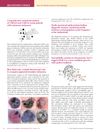
 Some Greek melanoma patients have gene mutations linked to increased cancer risk, a new color feature helps diagnose melanoma, the incidence of a skin condition in the Netherlands is rare, and a gene possibly affects male-pattern baldness.
14 citations
,
March 1994 in “Archives of Dermatology” A married couple both developed alopecia areata, possibly due to shared stress.
 10 citations
,
October 2010 in “Hepatology”
10 citations
,
October 2010 in “Hepatology” Certain liver diseases respond well to specific treatments and have varying risks for liver cancer.
 October 2017 in “Indian heart journal”
 Obesity is an independent risk factor for early coronary artery disease (CAD) and its severity is not affected by age.
 February 2013 in “Journal of The American Academy of Dermatology”
 Hair loss is a common but often unreported side effect of cancer treatments, especially for breast and prostate cancers.