10 citations
,
August 2023 in “Animals” SLC45A2 and GPNMB genes help control chicken feather color by promoting melanin.
 10 citations
,
July 2022 in “Dermatology and Therapy”
10 citations
,
July 2022 in “Dermatology and Therapy” Melasma's causes include genetics, sun exposure, hormones, and oxidative stress, and understanding these can help create better treatments.
 66 citations
,
February 2013 in “Pediatric Dermatology”
66 citations
,
February 2013 in “Pediatric Dermatology” Dermoscopy improves diagnosis and treatment monitoring for children's skin infections, inflammations, and hair disorders.
 9 citations
,
November 2017 in “Journal of Glaucoma”
9 citations
,
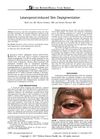
November 2017 in “Journal of Glaucoma” Latanoprost eye drops may cause skin depigmentation.
 79 citations
,
March 2017 in “Dermatologic clinics”
79 citations
,
March 2017 in “Dermatologic clinics” Vitiligo affects overall health and self-esteem, needing more research and awareness.
 65 citations
,
November 2004 in “Journal of the American Academy of Dermatology”
65 citations
,
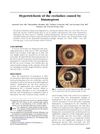
November 2004 in “Journal of the American Academy of Dermatology” Bimatoprost can cause excessive eyelash growth.
 December 2024 in “Cermin Dunia Kedokteran”
 Prompt treatment of intraocular foreign bodies is crucial to prevent blindness and improve outcomes.
 44 citations
,
January 2002 in “American Journal of Clinical Dermatology”
44 citations
,
January 2002 in “American Journal of Clinical Dermatology” Skin reactions to antidepressants are common but usually not serious and can be treated.
 7 citations
,
July 2011 in “Survey of Ophthalmology”
7 citations
,
July 2011 in “Survey of Ophthalmology” The document concludes that periocular hair disorders have various causes and treatments, and proper evaluation by specialists is important for management and prognosis.
 March 2026 in “Egyptian Journal of Forensic Sciences”
 Unified regulations and ethical guidelines are needed for fair use of forensic DNA phenotyping.
 January 2024 in “GeroScience”
 Using radiation to make mice's hair turn gray helps study and find ways to prevent or reverse hair graying.
 14 citations
,
May 2011 in “Facial Plastic Surgery Clinics of North America”
14 citations
,
May 2011 in “Facial Plastic Surgery Clinics of North America” Laser hair removal is effective for dark hair but needs improvement for nonpigmented or fine hairs.
 197 citations
,
June 2009 in “American journal of human genetics”
197 citations
,
June 2009 in “American journal of human genetics” WNT10A mutations often cause ectodermal dysplasias, with males showing more tooth issues than females.
 27 citations
,
July 2018 in “Journal of optometry”
27 citations
,
July 2018 in “Journal of optometry” Eyelashes protect the eyes, but more research is needed to understand how.
 12 citations
,
December 2018 in “Clinical Ophthalmology”
12 citations
,
December 2018 in “Clinical Ophthalmology” Latanoprostene bunod effectively lowers eye pressure and is better tolerated than other glaucoma medications.
 1 citations
,
July 2023 in “Archives of dermatological research”
1 citations
,
July 2023 in “Archives of dermatological research” Bimatoprost 0.03% is as effective as minoxidil 2% for eyebrow growth.
 383 citations
,
February 2011 in “Nature Reviews Genetics”
383 citations
,
February 2011 in “Nature Reviews Genetics” DNA profiling in forensics has improved, but predicting physical traits and ancestry from DNA has limitations and requires ethical consideration.
 172 citations
,
December 2004 in “Journal of The American Academy of Dermatology”
172 citations
,
December 2004 in “Journal of The American Academy of Dermatology” Demodicosis is common and often missed, needing more recognition and treatment in skin care.
 58 citations
,
July 2007 in “Clinics in Dermatology”
58 citations
,
July 2007 in “Clinics in Dermatology” Tattooing helps treat skin conditions, reconstruct nipple-areola, mark radiation fields, and locate lesions.
 32 citations
,
January 2010 in “Dermatology”
32 citations
,
January 2010 in “Dermatology” Combining laser hair removal with topical eflornithine is recommended for better results in treating unwanted facial hair.
 10 citations
,
April 2019 in “Environmental Science and Pollution Research”
10 citations
,
April 2019 in “Environmental Science and Pollution Research” Eating selenium-rich rice improved antioxidant activity and signs of aging in mice.
 9 citations
,
April 2024 in “Cureus”
9 citations
,
April 2024 in “Cureus” Vogt-Koyanagi-Harada disease affects vision and skin, mainly in people with darker skin, and is treated with steroids and immunosuppressants.
 9 citations
,
August 2014 in “European journal of ophthalmology”
9 citations
,
August 2014 in “European journal of ophthalmology” PGF2α receptors in human eyelids are found in specific parts of hair follicles, explaining eyelash changes with glaucoma treatment.
 6 citations
,
October 2013 in “Expert Review of Dermatology”
6 citations
,
October 2013 in “Expert Review of Dermatology” Psychotropic medications can cause skin problems, including serious conditions, and patients should be monitored closely.
 5 citations
,
September 2016 in “Security science and technology”
5 citations
,
September 2016 in “Security science and technology” DNA can predict physical traits like eye and hair color accurately, especially in Europeans, but predicting other traits and in diverse populations needs more research.
 3 citations
,
July 2016 in “Atlas of the Oral and Maxillofacial Surgery Clinics”
3 citations
,
July 2016 in “Atlas of the Oral and Maxillofacial Surgery Clinics” Careful planning and technique in upper facial rejuvenation can minimize risks like hair loss, nerve damage, and scarring.
 July 2025 in “Indian Journal of Forensic Medicine & Toxicology”
 DNA phenotyping can predict physical traits like eye, hair, and skin color, improving forensic investigations.
 February 2024 in “bioRxiv (Cold Spring Harbor Laboratory)”
 Tandem repeats significantly influence hair color, especially darker shades, across different ancestries.
 May 2023 in “Dermatology and therapy”
 The document concludes that identifying the cause of eyebrow and eyelash loss is key to treating it and improving quality of life.
 January 2018 in “Springer eBooks”
 Lasers are FDA-approved for permanent hair reduction, not removal, and more research is needed to improve treatments.