1 citations
,
September 2012 in “Revista Latinoamericana de Psicopatologia Fundamental” Gender identity doesn't determine who people are attracted to or their sexual practices.
 May 2023 in “GSC biological and pharmaceutical sciences”
 Forensic DNA phenotyping is becoming useful for predicting physical traits in criminal investigations but is limited by ethical concerns and incomplete genetic understanding.
November 2024 in “Psychology Health & Medicine” Psychological therapies may improve quality of life for people with alopecia areata.
 8 citations
,
November 2017 in “Journal of Investigative Dermatology”
8 citations
,
November 2017 in “Journal of Investigative Dermatology” AGA linked to inflammation, stress, fibrosis, and disturbed hair follicle stem cells.
March 2025 in “Acta Dermato Venereologica” Stigmatization and quality of life in people with alopecia are influenced by gender and sociodemographics, suggesting a need for better support.
 10 citations
,
May 2018 in “Forensic Science International”
10 citations
,
May 2018 in “Forensic Science International” Shrunken heads retain some facial features and hair characteristics, allowing for limited individual identification.
5 citations
,
February 2023 in “Genes” Certain miRNAs may influence cashmere fiber traits in goats by affecting hair follicle activities.
 5 citations
,
September 2013 in “The Journal of Dermatology”
5 citations
,
September 2013 in “The Journal of Dermatology” Researchers found a new mutation in the HR gene causing hair loss and skin bumps in a Pakistani family.
 1 citations
,
September 2019 in “Steroids”
1 citations
,
September 2019 in “Steroids” Two new mutations in the AR gene linked to severe androgen insensitivity were found.
January 2026 in “China CDC Weekly” Large language models can accurately identify monkeypox from medical records.
November 2025 in “Journal of Investigative Dermatology” A new genetic mutation causing Xeroderma Pigmentosum was found in an 8-year-old girl, affecting her DNA repair.
January 2025 in “Case Reports in Genetics” A rare gene variant causes sexual development issues in siblings, needing personalized treatment.
 January 2024 in “Medical mycology journal”
 A mother and her two daughters got a skin infection from their cat.
 14 citations
,
April 2011 in “Journal of the American Academy of Dermatology”
14 citations
,
April 2011 in “Journal of the American Academy of Dermatology” Researchers found a gene mutation responsible for a rare hair loss condition.
82 citations
,
September 2020 in “Briefings in Bioinformatics” SARS-CoV-2 may worsen IPF due to shared genes and pathways, suggesting potential drug targets.
 23 citations
,
December 2013 in “British Journal of Dermatology”
23 citations
,
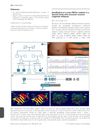
December 2013 in “British Journal of Dermatology” A new gene mutation linked to a skin condition was found in a Spanish family.
January 2026 in “International Journal of Biological Macromolecules” Keratin in people with androgenetic alopecia shows specific changes that could help develop new treatments.
 November 2022 in “Journal of Investigative Dermatology”
 Most Recessive Dystrophic Epidermolysis Bullosa patients with a specific mutation likely have Sephardic ancestry from about 500 years ago.
The research found that people's hair proteins vary, especially by ethnicity and body part, which could help identify individuals in forensic science.
 27 citations
,
February 2017 in “Clinical, Cosmetic and Investigational Dermatology”
27 citations
,
February 2017 in “Clinical, Cosmetic and Investigational Dermatology” New compounds were found to help increase hair growth and decrease hair loss.
 1 citations
,
June 1938 in “New England journal of medicine/The New England journal of medicine”
1 citations
,
June 1938 in “New England journal of medicine/The New England journal of medicine” Hair analysis can offer clues about a person, but individual differences limit making precise identifications.
4 citations
,
June 1990 in “PubMed” Hair protein differences help identify species and individuals in forensic science.
February 2026 in “Expert Review of Endocrinology & Metabolism” Early identification and personalized treatment of skin issues in PCOS are crucial for better outcomes.
1 citations
,
April 2009 in “Wiley Encyclopedia of Forensic Science” Microscopic hair analysis helps identify species and sometimes individuals in forensic science.
21 citations
,
August 2024 in “Journal of Animal Science and Biotechnology/Journal of animal science and biotechnology” Single-cell transcriptomics helps improve animal health and productivity by studying gene expression in individual cells.
 1 citations
,
July 2008 in “Expert Review of Dermatology”
1 citations
,
July 2008 in “Expert Review of Dermatology” Normal hair thickness varies by scalp area and a mix of hair thicknesses is typical in healthy individuals.
44 citations
,
January 2017 in “Journal of Investigative Dermatology” Mutations in the KLHL24 gene cause skin blistering in epidermolysis bullosa simplex.
 October 2025 in “Dermatology Practical & Conceptual”
 Early detection and treatment of acne can prevent scarring and improve quality of life.
 November 2023 in “Scholars journal of applied medical sciences”
 Twelve plants, especially castor oil and coconut, are beneficial for managing afro-textured hair.
 20 citations
,
June 2010 in “Genes and Immunity”
20 citations
,
June 2010 in “Genes and Immunity” Blood tests can help understand the genetic differences in people with alopecia areata, including how severe it is and if it's inherited.