 75 citations
,
January 2009 in “International journal of trichology”
75 citations
,
January 2009 in “International journal of trichology” Hair grays due to oxidative stress and fewer functioning melanocytes.
 32 citations
,
May 2018 in “Cell Cycle”
32 citations
,
May 2018 in “Cell Cycle” Melatonin helps Cashmere goats grow more hair by affecting certain genes and cell pathways.
 20 citations
,
January 2015 in “Current problems in dermatology”
20 citations
,
January 2015 in “Current problems in dermatology” Graying hair happens due to aging and might be delayed by new treatments.
 15 citations
,
November 2015 in “Trends in biotechnology”
15 citations
,
November 2015 in “Trends in biotechnology” Gene regulation could revolutionize hair color by altering pigmentation from within.
 6 citations
,
September 2019 in “Journal of cosmetic dermatology”
6 citations
,
September 2019 in “Journal of cosmetic dermatology” Lower melatonin levels are linked to more skin aging.
 2 citations
,
March 2013 in “Phytotherapy Research”
2 citations
,
March 2013 in “Phytotherapy Research” Ascorbigen increases hair cell growth in a lab setting but does not prevent hair loss from chemotherapy in mice.
 January 2009 in “Elsevier eBooks”
 Some plant-based treatments may help with ovary function, insulin resistance, and excess male hormones in PCOS, but more research is needed to confirm their safety and effectiveness.
Some supplements may help reduce side effects of cancer treatments in pets.
15 citations
,
July 2000 in “The journal of investigative dermatology/Journal of investigative dermatology” Fluorescence can effectively measure acne treatment progress.
16 citations
,
March 2022 in “Clinica Chimica Acta” Idiopathic hirsutism may be linked to increased enzyme activity.
 June 2024 in “Okayama University Scientific Achievement Repository (Okayama University)”
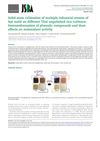
 Koji mold on unpolished Thai-colored rice boosts antioxidant activity more than on other rice types.
 January 2026 in “Dermatology Practical & Conceptual”
 Triamcinolone acetonide is more effective than cryotherapy for hair regrowth in alopecia areata but has different side effects.
1 citations
,
December 2024 in “Journal of Orthopaedic Research®” Aromoline and DRD4 are potential targets for osteoarthritis treatment.
April 2019 in “The journal of investigative dermatology/Journal of investigative dermatology” Blocking JAK1 or JAK3 helps reverse hair loss in a mouse model of alopecia areata.
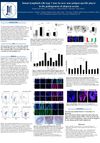
Innate lymphoid cells type 1 may contribute to alopecia areata by damaging hair follicles.
 3 citations
,
January 2023 in “Dermatology Practical & Conceptual”
3 citations
,
January 2023 in “Dermatology Practical & Conceptual” IMA and IMA/albumin levels don't predict alopecia areata severity.
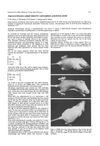 2 citations
,
September 1980 in “Experientia”
2 citations
,
September 1980 in “Experientia” Polyethylene alanine caused hair loss in young lab animals but not in adults, with hair regrowth occurring within 20 days.
 17 citations
,
August 2012 in “Archives of Pharmacal Research”
17 citations
,
August 2012 in “Archives of Pharmacal Research” Acankoreoside J from Acanthopanax koreanum may help promote hair growth.
5 citations
,
April 2022 in “Evidence-based Complementary and Alternative Medicine” Shaoyao Gancao decoction may treat alopecia areata by affecting the PI3K/AKT signaling pathway.
 February 2025 in “Journal of Pharmaceutical and Health Research”
 Arumanis mango rind extract and its fractions can kill breast cancer cells, especially the ethanol extract and ethyl acetate fraction.
 3 citations
,
July 2017 in “International journal of medicine”
3 citations
,
July 2017 in “International journal of medicine” Intralesional triamcinolone acetonide effectively treats alopecia areata, as shown by significant improvements in hair regrowth and dermoscopic indicators.
6 citations
,
October 2003 in “Journal of applied polymer science” A new method using poly(ethylene imine) improves hair dyeing at lower temperatures with better color retention.
April 2025 in “Annals of Medicine” Compound glycyrrhizin with conventional treatments is effective and safe for hair regrowth in alopecia areata.
 22 citations
,
March 2017 in “Scientific reports”
22 citations
,
March 2017 in “Scientific reports” Double-stranded RNA causes inflammation in hair follicle cells, which may help understand and treat alopecia areata.
 11 citations
,
June 2017 in “Journal of cell science”
11 citations
,
June 2017 in “Journal of cell science” AGD1's PH domain is essential for its role in root hair growth and polarity.
September 2020 in “Zenodo (CERN European Organization for Nuclear Research)” Indometacin was chosen for a gel to help treat mastopathy and prevent breast cancer.
 2 citations
,
January 2023 in “International Journal of Dermatology Research”
2 citations
,
January 2023 in “International Journal of Dermatology Research” Calotropis procera leaf extracts have antifungal properties, especially against Microsporum canis.
September 2023 in “Journal of the American Academy of Dermatology” The cleanser gel significantly reduces facial oiliness.
 2 citations
,
February 2025 in “Applied Microbiology and Biotechnology”
2 citations
,
February 2025 in “Applied Microbiology and Biotechnology” Isaria cicadae Miquel rice fermentation extract helps heal wounds and regenerate hair follicles.
 30 citations
,
October 2015 in “Journal of Ethnopharmacology”
30 citations
,
October 2015 in “Journal of Ethnopharmacology” Herbal compounds like ricinoleic acid, quercetin-3-O-rutinoside, and hinokiflavone may be safe and effective for treating hair loss.