 51 citations
,
November 2020 in “Journal of the European Academy of Dermatology and Venereology”
51 citations
,
November 2020 in “Journal of the European Academy of Dermatology and Venereology” COVID-19 infection may cause significant hair loss, but full hair recovery is likely without special treatment.
 4 citations
,
June 2022 in “Indian Dermatology Online Journal”
4 citations
,
June 2022 in “Indian Dermatology Online Journal” COVID-19 may cause temporary hair loss due to direct damage to hair follicles, but it usually gets better on its own.
 October 2025 in “Journal of Mahatma Gandhi University of Medical Sciences and Technology”
 Amitriptyline can cause temporary hair loss, which stops after discontinuing the drug.

Some blood thinners and blood pressure medicines can cause hair loss, which usually starts 1 to 6 months after beginning the medication.

A girl lost her hair due to being given the wrong medication because of a pharmacy's computer error.
 January 2026 in “Dermatology and Therapy”
 General anesthesia might be linked to certain types of hair loss, but more research is needed.
 22 citations
,
October 2021 in “Dermatologic Therapy”
22 citations
,
October 2021 in “Dermatologic Therapy” COVID-19 may cause temporary hair loss in some people.

Some medications, including retinoids, antifungals, and psychotropic drugs, can cause reversible hair loss if stopped or doses are reduced.

Hair loss after weight loss surgery can improve over time.
 November 2022 in “Journal of Investigative Dermatology”
 COVID-19 patients with hair loss experienced greater cognitive deficits and more symptoms of depression, anxiety, and stress.

COVID-19 patients with hair loss experienced more cognitive issues and these issues were linked to higher levels of depression, anxiety, and stress.
 March 2024 in “International journal of research in medical sciences”
 Dr. SKS hair booster serum effectively treats hair loss caused by COVID-19.
 November 2022 in “Journal of clinical images and medical case reports”
 COVID-19 can cause hair loss in both severe and mild cases, often affecting women.
 January 2020 in “Nihon rinsho hifukaikai zasshi”
 A woman's temporary hair loss was caused by high prolactin levels from her medication.
November 2025 in “The Journal of Dermatology” Minoxidil helps hair regrow faster in stress-related hair loss.
 5 citations
,
December 2021 in “Journal of Cosmetic Dermatology”
5 citations
,
December 2021 in “Journal of Cosmetic Dermatology” QR678 Neo® hair growth treatment is effective for hair loss caused by Covid-19.
 47 citations
,
July 2005 in “British Journal of Dermatology”
47 citations
,
July 2005 in “British Journal of Dermatology” Topical vitamin D3 does not prevent hair loss from chemotherapy.
 7 citations
,
January 2015 in “Journal of the European Academy of Dermatology and Venereology”
7 citations
,
January 2015 in “Journal of the European Academy of Dermatology and Venereology” Only about 20% of women have hair loss after childbirth severe enough to be considered clinically significant.
 2 citations
,
August 2002 in “Zeitschrift für Hautkrankheiten”
2 citations
,
August 2002 in “Zeitschrift für Hautkrankheiten” Telogen effluvium is a hair loss condition caused by various factors and requires a thorough examination to diagnose and differentiate from other hair loss types.
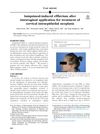 5 citations
,
June 2019 in “JAAD Case Reports”
5 citations
,
June 2019 in “JAAD Case Reports” Imiquimod used intravaginally for cervical issues can cause temporary hair loss, especially if severe side effects occur.
 18 citations
,
March 2016 in “Cosmetics”
18 citations
,
March 2016 in “Cosmetics” Telogen Effluvium is a condition causing excessive hair loss due to stress, illness, drugs, or hormonal changes, and can be treated with specific products or naturally resolves after 3-4 years.
 16 citations
,
October 2004 in “Acta dermato-venereologica”
16 citations
,
October 2004 in “Acta dermato-venereologica” Two people lost a lot of hair because of epilepsy drugs, but their hair grew back after changing medication.
 January 2026 in “Zenodo (CERN European Organization for Nuclear Research)”
 Chronic stress can cause hair loss, but relaxation and gentle care can help manage it.
 January 2026 in “Zenodo (CERN European Organization for Nuclear Research)”
 Chronic stress can cause hair loss, but relaxation and gentle care can help manage it.
 January 2025 in “International Journal of Trichology”
 Telogen effluvium is common after symptomatic COVID-19, especially in young females, and may be linked to nutritional deficiencies.
 56 citations
,
August 2019 in “Clinical, Cosmetic and Investigational Dermatology”
56 citations
,
August 2019 in “Clinical, Cosmetic and Investigational Dermatology” The document concludes that Telogen Effluvium is a hair loss disorder that can be assessed with the modified wash test and may be treated with clobetasol foam, with patient management being important.
 31 citations
,
May 2020 in “Dermatologic Therapy”
31 citations
,
May 2020 in “Dermatologic Therapy” Quarantine stress likely worsened hair loss in women, but video consultations helped manage their condition and reduce anxiety.
 28 citations
,
January 2007 in “Dermatology”
28 citations
,
January 2007 in “Dermatology” Chemotherapy can cause rapid, extensive hair loss, with patterns varying between individuals.
 9 citations
,
January 2017 in “International Journal of Trichology”
9 citations
,
January 2017 in “International Journal of Trichology” The study suggests that mast cells might be involved in the hair loss condition telogen effluvium and could be a target for treatment.
 5 citations
,
February 2014 in “PubMed”
5 citations
,
February 2014 in “PubMed” Hair loss in Telogen effluvium is often chronic, linked to stress, and lacks a confirmed treatment, but topical corticosteroids may be used.