 September 2007 in “PubMed”
 Implanted human scalp cells can regenerate hair-like structures in mice.
January 2018 in “Bradford Scholars (University of Bradford)” SWI/SNF complexes are crucial for wound healing but not for hair growth.
4 citations
,
August 2014 in “International Wound Journal” Topical EGF may cause unexpected hair growth during wound healing.
1 citations
,
April 2011 in “Clinical Kidney Journal” A benign skin tumor grew quickly in a dialysis patient and was surgically removed.
 2 citations
,
August 2011 in “Dermatologic Surgery”
2 citations
,
August 2011 in “Dermatologic Surgery” Small micropunches for hair transplants can increase density but may cause more bleeding and longer healing.
January 2003 in “Journal of the Fourth Military Medical University” Hair follicles can regenerate if cut at certain points, with stem cells in the upper part.
May 2016 in “Hair transplant forum international” 335 citations
,
March 2004 in “Development” Temporary activation of β-catenin can create new hair follicles, but ongoing activation is needed to keep hair follicle tumors.
38 citations
,
January 1988 
Wound-induced hair follicle creation is a complex process in adult mammals that involves various cells and immune responses, and understanding it better could help improve skin healing strategies.
July 2002 in “Journal of Cosmetic Dermatology” Laser and Eflornithine are more effective for hair removal than traditional methods.
 6 citations
,
August 2003 in “Aesthetic Surgery Journal”
6 citations
,
August 2003 in “Aesthetic Surgery Journal” Hair restoration using micrografts and minigrafts can provide natural-looking hair without scars and good density in 1 or 2 sessions.
1 citations
,
February 2024 HPV6/11 is often found in hair of men with anogenital warts, especially pubic hair, and can lead to recurrent warts.
85 citations
,
January 2002 in “Dermatologic Clinics” Lasers and intense pulsed light can safely and effectively remove hair by targeting hair follicles.
2 citations
,
January 1989 Researchers developed a method to grow skin-like tissue from hair cells.
4 citations
,
August 2004 in “The Journal of Dermatology” Healing psoriatic plaques can cause unexpected hair growth.
October 2022 in “Hair Transplantation” Properly placing hair follicles with forceps is crucial for natural-looking transplants.
3 citations
,
January 1989 in “The Nishinihon Journal of Dermatology” A hair cyst can become cancerous, showing specific keratins from the hair sheath.
 13 citations
,
January 2014 in “Aesthetic Surgery Journal”
13 citations
,
January 2014 in “Aesthetic Surgery Journal” Cyperus rotundus oil effectively reduces unwanted hair without side effects.
 3 citations
,
January 2018 in “Annals of Dermatology”
3 citations
,
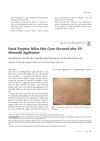
January 2018 in “Annals of Dermatology” A woman developed facial hair cysts after using a 3% minoxidil solution for hair loss, which disappeared after stopping the treatment and removing the cysts surgically.
 13 citations
,
March 2012 in “The Journal of Dermatology”
13 citations
,
March 2012 in “The Journal of Dermatology” Hair transplant surgery can rebuild muscle and nerve connections, allowing transplanted hairs to stand up like normal hairs.
April 2019 in “C&EN global enterprise” A microneedle patch can help hair regrow.
 January 2023 in “Skin appendage disorders”
 Hair restoration surgery can change the appearance of hair when examined with a special magnifying tool.
 January 2025 in “Dermatology Review”
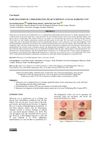
 Trichilemmal carcinoma is rare, usually benign after removal, but needs close follow-up due to recurrence risks.
 March 2022 in “Folia Medica Indonesiana”
 The lump on a woman's scalp was a rare, potentially cancerous tumor from the hair follicle, not a common cyst.
 3 citations
,
September 2020 in “Case reports in dermatological medicine”
3 citations
,
September 2020 in “Case reports in dermatological medicine” Misdiagnosing kerion as a bacterial infection can lead to unnecessary surgery and permanent hair loss.
 May 2020 in “Hair transplant forum international”
 Younger people and those with existing acne are more likely to get folliculitis after hair restoration surgery, but it doesn't affect the overall good hair growth result.
69 citations
,
January 2002 in “Journal of biomedical optics” Dyes can penetrate human skin and hair follicles up to 1.2 mm deep and the sebaceous gland can store dye; Indocyanine Green lotion was made for safe dyeing and monitoring.
11 citations
,
February 1982 in “RePub (Erasmus University, Rotterdam)” Studying hair roots can help diagnose hair diseases and guide treatments.
 December 2016 in “Paleontological Journal”
 Hair growth can be induced by transplanting certain cells, but these cells lose their properties during culturing. The best cell interaction happens in a liquid medium under gravity, and using collagen doesn't help. Future research could focus on using growth factors to stimulate these cells.