 April 2026 in “International Journal of Drug Delivery Technology”
 Alopecia can often be managed effectively with various treatments, but early diagnosis is crucial for preventing permanent hair loss.
 February 2026 in “Medical Science and Discovery”
 Early diagnosis and comprehensive treatment can significantly improve trichotillomania in children.

Ca²⁺-mediated protein citrullination controls cell growth in the CNS and may help treat brain tumors.
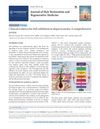
JAK inhibitors effectively regrow hair in alopecia areata but hair loss often returns after stopping treatment.
 January 2026 in “International Journal of All Research Education & Scientific Methods”
 Alopecia is caused by various factors, and new treatments like gene editing and regenerative medicine offer hope for personalized hair regrowth solutions.
September 2025 in “Chinese Journal of Chromatography” A new method accurately detects illegal JAK inhibitors in hair loss cosmetics.
 August 2025 in “Dermatology and Therapy”
 JAK inhibitors show promise for treating alopecia areata but have serious side effects.
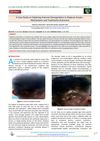 July 2025 in “International Journal of Pharmaceutical Sciences Review and Research”
 Individualized treatment and psychological support improved the patient's quality of life and appearance despite medication side effects.
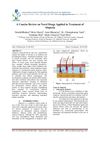
New therapies like JAK inhibitors, PRP, and stem cell treatments show promise for better alopecia management.
 December 2024 in “Cureus”
 Baricitinib treatment for alopecia universalis can cause hair regrowth with unexpected whitening.
 October 2024 in “Journal of Education Health and Sport”
 Alopecia areata treatment should be personalized, using topical or systemic therapies based on severity, with promising options like JAK inhibitors needing more research.
July 2024 in “International Journal of Molecular Sciences” The inhibitor DPP can promote hair growth.
June 2024 in “Ecotoxicology and Environmental Safety” Finasteride harms Daphnia magna's reproduction, growth, and metabolism.
 May 2024 in “Open Repository of the University of Porto (University of Porto)”
 Pharmacists play a crucial role in patient education and personalized care.
 April 2024 in “Medical & clinical research”
 More research is needed to find the best long-term treatments for Alopecia Areata.
 December 2023 in “International Journal of Pharmaceutics”
 New nanoparticles deliver plant extracts to hair follicles to treat conditions like hair loss and acne.
 July 2023 in “The Egyptian Journal of Hospital Medicine ”
 Alopecia areata is a hair loss condition caused by immune factors and can be treated with JAK inhibitors.
 February 2021 in “Journal of pharmaceutical and biological sciences”
 No cure exists for alopecia areata, and treatments are personalized.
 November 2020 in “TURKDERM”
 Hormonal treatments effectively manage acne in some women, especially with specific hormonal issues.
June 2020 in “Authorea (Authorea)” First-time mothers had higher stress hormone levels in late pregnancy than mothers who had given birth before.
 August 2019 in “The Journal of Urology”
 Treatment with 5α-reductase inhibitors is linked to a delay in prostate cancer diagnosis and may affect survival rates.
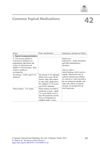 October 2018 in “Springer eBooks”
 The document concludes that various topical medications are effective for skin conditions but often cause skin irritation as a side effect.
 September 2017 in “The journal of investigative dermatology/Journal of investigative dermatology”
 Blocking CCR5 can prevent and improve hair loss in alopecia areata.
April 2017 in “The journal of investigative dermatology/Journal of investigative dermatology” Topical Vorinostat shows promise for treating alopecia areata by promoting hair regrowth.
 January 2017 in “Springer eBooks”
 The document explains various skin conditions and their treatments.
 August 2016 in “Journal of Investigative Dermatology”
 Blocking the CCR5 receptor may be a new way to treat hair loss from alopecia areata.
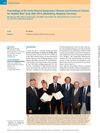 September 2014 in “Aktuelle Dermatologie”
 The symposium concluded that environmental factors significantly contribute to skin aging.
 January 2026 in “Forum Dermatologicum”
 JAK inhibitors and combination therapies show promise for treating severe alopecia areata.
 January 2026 in “Frontiers in Molecular Biosciences”
 A new method helps diagnose alopecia areata using specific gene markers and could guide targeted treatments.
 January 2026 in “Frontiers in Drug Discovery”
 Transforming skin disease treatment requires new strategies, better drug models, and patient-focused research.