 27 citations
,
April 2018 in “Journal of autoimmunity”
27 citations
,
April 2018 in “Journal of autoimmunity” iNKT cells can help prevent and treat alopecia areata by promoting hair regrowth.
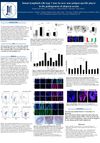
Innate lymphoid cells type 1 may contribute to alopecia areata by damaging hair follicles.
 1 citations
,
March 2025 in “Frontiers in Physiology”
1 citations
,
March 2025 in “Frontiers in Physiology” Methotrexate, resveratrol, and curcumin may help treat alopecia areata by targeting immune cells.
34 citations
,
January 2022 in “Frontiers in Immunology” IL-25 helps heal diabetic wounds by improving blood vessel and skin cell functions.
April 2019 in “Journal of Investigative Dermatology” The humanized AA mouse model is better for testing new alopecia areata treatments.
3 citations
,
September 2025 in “Frontiers in Immunology” JAK inhibitors are effective for treating moderate-to-severe alopecia areata.
 January 2017 in “Journal of Investigative Dermatology Symposium Proceedings”
 The 2015 Hair Research Congress concluded that stem cells, maraviroc, and simvastatin could potentially treat Alopecia Areata, topical minoxidil, finasteride, and steroids could treat Frontal Fibrosing Alopecia, and PTGDR2 antagonists could also treat alopecia. They also found that low-level light therapy could help with hair loss, a robotic device could assist in hair extraction, and nutrition could aid hair growth. They suggested that Alopecia Areata is an inflammatory disorder, not a single disease, indicating a need for personalized treatments.
55 citations
,
October 2019 in “The journal of allergy and clinical immunology/Journal of allergy and clinical immunology/The journal of allergy and clinical immunology” The review suggests that other immune cells besides CD8+ T cells may contribute to alopecia areata and that targeting regulatory cell defects could improve treatment.
January 2023 in “Nature Immunology” Certain immune cells help hair growth by regulating iron in the skin.
New bio-ink can print complex tissues and organs.
 22 citations
,
October 2012 in “Cell Transplantation”
22 citations
,
October 2012 in “Cell Transplantation” Cells treated with Wnt-10b can grow hair after being transplanted into mice.
5 citations
,
January 2024 in “Science Advances” Touch dome keratinocytes in adult skin have traits of different skin cell types.
March 2007 in “Journal of Cell Science” K10 may not prevent tumors as previously thought and might increase benign tumor risk.
 September 2016 in “Journal of Dermatological Science”
 Wnt-10b is important for keeping mouse skin cells healthy for hair growth.
September 2015 in “Italian Journal of Anatomy and Embryology” Human skin cells can be turned into heart cells.
July 2017 in “Cancer Research” Krt15+ cells in mice can resist radiation, regenerate tissue, and start tumors, suggesting new cancer treatment targets.
 66 citations
,
December 2014 in “Nature Communications”
66 citations
,
December 2014 in “Nature Communications” Fibroblasts can be turned into melanocytes for potential skin treatments.
5 citations
,
February 2008 in “Histopathology”  7 citations
,
August 2022 in “Nature communications”
7 citations
,
August 2022 in “Nature communications” A specific group of slow-growing stem cells marked by Thy1 is crucial for skin maintenance and healing in mice.
 April 2017 in “Journal of Investigative Dermatology”
 Blood cells turned into stem cells can become skin cells similar to normal ones, potentially helping in skin therapies.
33 citations
,
May 2018 in “Stem Cell Reports” Krt15+ cells in the mouse intestine resist radiation and can start tumors.
 January 2012 in “heiDOK (Heidelberg University)”
 Dormant melanoma cells in mice interact minimally with memory T cells due to a suppressive tumor environment.
January 2012 in “Infoscience (Ecole Polytechnique Fédérale de Lausanne)” Human thymus has stem cells that can self-renew and maintain their identity.
7 citations
,
March 2018 in “Development” New imaging technologies help us see how stem cells work in living animals.
1 citations
,
July 2025 in “JCI Insight” Hair follicle stem cells help maintain skin health by moving to and supporting the skin's surface layers.
February 2012 in “Proceedings of SPIE, the International Society for Optical Engineering/Proceedings of SPIE” A new imaging technique can observe stem cells in living mice without harming them.
 8 citations
,
March 2020 in “Frontiers in Cell and Developmental Biology”
8 citations
,
March 2020 in “Frontiers in Cell and Developmental Biology” Researchers created immortal human skin cells with constant testosterone receptor activity to study hair loss and test treatments.
24 citations
,
October 2022 in “Cell Regeneration” A new mouse model effectively mimics vitiligo for research and drug testing.
17 citations
,
January 2010 in “PubMed” CD10 helps distinguish between basal cell carcinoma and benign hair follicle tumors.
28 citations
,
February 2006 in “Biochemical and Biophysical Research Communications” Wnt-10b helps skin cells and hair grow.