 36 citations
,
October 2021 in “Frontiers in Endocrinology”
36 citations
,
October 2021 in “Frontiers in Endocrinology” Insulin resistance and high male hormone levels are major causes of Polycystic Ovary Syndrome.
 124 citations
,
June 2002 in “Best Practice & Research Clinical Endocrinology & Metabolism”
124 citations
,
June 2002 in “Best Practice & Research Clinical Endocrinology & Metabolism” Polycystic Ovary Syndrome likely starts in childhood and may be genetic and influenced by early hormone exposure.
 12 citations
,
January 2010 in “Pediatric Health”
12 citations
,
January 2010 in “Pediatric Health” Early treatment and lifestyle changes are important for managing PCOS in young people to prevent long-term health issues.
 May 2006 in “Women's Health Medicine”
 Excessive hair growth in women, often from high androgen levels, is usually caused by PCOS, and can be treated with hair removal, medication, and possibly weight loss.
5 citations
,
January 2020 in “Research journal of pharmacy and technology” CBD may help reduce stress and pain in women with PCOS.
 November 2025 in “Fertility Gynecology and Andrology”
 PCOS involves hormonal and metabolic issues, increasing risks for diabetes and heart disease, and requires lifestyle changes and medication for management.
 April 2024 in “Canadian Women s Health Today”
 PCOS treatment focuses on lifestyle changes and specific medications to manage symptoms and complications.
 January 2025 in “Advances in Dermatology and Allergology”
 A holistic approach, including medical treatments, lifestyle changes, and mental health support, is crucial for managing hirsutism in women.
 41 citations
,
April 2010 in “Gender Medicine”
41 citations
,
April 2010 in “Gender Medicine” The conclusion is that hirsutism should be diagnosed and treated because it affects quality of life and may signal other health problems.
20 citations
,
September 2015 in “Pediatric Annals” PCOS in teen girls should be managed with lifestyle changes and sometimes medication to improve symptoms and health.
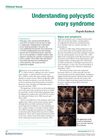 2 citations
,
September 2009 in “Nurse Prescribing”
2 citations
,
September 2009 in “Nurse Prescribing” PCOS affects many women, causing various symptoms and health risks, and is managed through lifestyle changes, medication, and support groups.
 September 2016 in “Gynecology Obstetrics and Reproductive Medicine”
 Effective treatment for skin issues in women with PCOS includes oral contraceptives, antiandrogens, and other medications and procedures.
 29 citations
,
January 2011 in “Journal of Obstetrics and Gynaecology”
29 citations
,
January 2011 in “Journal of Obstetrics and Gynaecology” Insulin resistance in women with PCOS can lead to serious health issues, but lifestyle changes and certain medications can help manage symptoms.
 24 citations
,
March 2002 in “Expert opinion on investigational drugs”
24 citations
,
March 2002 in “Expert opinion on investigational drugs” Different anti-androgen medications can help treat excessive hair growth, but the right choice depends on accurate diagnosis.
1 citations
,
January 2009 in “Gynecological endocrinology” Hirsutism can be treated with medications or hair removal methods, tailored to each person.
 September 2002 in “Comprehensive Therapy”
 Primary care is key in managing PCOS, focusing on lifestyle changes and medications like birth control and metformin.
 December 2015 in “Kosin Medical Journal”
 PCOS treatment should address both symptoms and metabolic risks, starting with lifestyle changes and possibly including medication.
 67 citations
,
July 2006 in “Clinics in Dermatology”
67 citations
,
July 2006 in “Clinics in Dermatology” Androgens cause skin issues like acne and hair growth in women, often due to PCOS, and can be treated with medication and lifestyle changes.
17 citations
,
February 2004 in “PubMed” PCOS treatment focuses on inducing ovulation, reducing androgens, and managing long-term health risks with medications and lifestyle changes.
 2 citations
,
June 2022 in “International Journal of Biomedicine”
2 citations
,
June 2022 in “International Journal of Biomedicine” The review suggests a comprehensive approach to treat hirsutism, focusing on hair removal, medication, and managing emotional effects.
 2 citations
,
March 2011 in “Infertility”
2 citations
,
March 2011 in “Infertility” The conclusion is that lifestyle changes and weight loss are first-line treatments for infertility due to anovulation, with various medications and assisted reproductive technologies as additional options.
 December 2022 in “International journal of preventive, curative & community medicine”
 PCOS is a common hormonal disorder in women, causing symptoms like acne and irregular periods, and is managed with medication and lifestyle changes.
 August 2015 in “Postgraduate obstetrics & gynecology”
 Women with PCOS often have insulin resistance, abnormal lipid levels, and a higher risk of diabetes and heart disease; lifestyle changes and medication like metformin can help manage these risks.
 89 citations
,
November 2014 in “Medical Clinics of North America”
89 citations
,
November 2014 in “Medical Clinics of North America” Eating 500 fewer calories a day and making lifestyle changes can improve PCOS symptoms and reduce diabetes risk; more research is needed on its causes and treatments.
 2 citations
,
January 2012 in “Journal of metabolic syndrome”
2 citations
,
January 2012 in “Journal of metabolic syndrome” The document concludes that hirsutism can be managed with various treatments tailored to the individual, potentially improving quality of life.
 2 citations
,
June 2009 in “The Nurse practitioner”
2 citations
,
June 2009 in “The Nurse practitioner” Doctors should recognize and treat PCOS early in primary care to manage symptoms and lower risk of other health issues.
3 citations
,
May 2002 in “PubMed” The document concludes that treatment for excessive hair growth depends on the cause, with options including hair removal methods and medications like anti-androgens or insulin-sensitizing drugs.
 39 citations
,
September 2000 in “Obstetrics and Gynecology Clinics of North America”
39 citations
,
September 2000 in “Obstetrics and Gynecology Clinics of North America” Insulin-lowering medications show promise for PCOS symptoms but can't be the main treatment yet due to limited long-term research.
 35 citations
,
January 2011 in “Clinical Endocrinology”
35 citations
,
January 2011 in “Clinical Endocrinology” Metformin should be used for PCOS mainly in those with glucose intolerance, and has limited benefits for infertility or hirsutism.
April 2019 in “Journal of the Endocrine Society” An over-the-counter vitamin/mineral supplement improved hair loss and blood sugar control in a woman with non-classic 11-hydroxylase deficiency.