 18 citations
,
December 1996 in “Seminars in Cutaneous Medicine and Surgery”
18 citations
,
December 1996 in “Seminars in Cutaneous Medicine and Surgery” Chemotherapy and cytokine therapy can cause various skin reactions, including hair loss and hypersensitivity.
 8 citations
,
October 2018 in “Journal of The American Academy of Dermatology”
8 citations
,
October 2018 in “Journal of The American Academy of Dermatology” The review suggests there's no agreed treatment for Frontal Fibrosing Alopecia, but hydroxychloroquine and 5a-reductase inhibitors are most effective. New treatments like platelet-rich plasma and LED light could help if standard treatments fail.
 7 citations
,
September 2006 in “Clinical lymphoma & myeloma”
7 citations
,
September 2006 in “Clinical lymphoma & myeloma” Balancing treatment effectiveness with side effects is crucial for relapsed follicular non-Hodgkin's lymphoma, especially in older patients.
 3 citations
,
January 2010 in “Elsevier eBooks”
3 citations
,
January 2010 in “Elsevier eBooks” The document describes various skin conditions, their features, and treatments but lacks detailed study size information.
 2 citations
,
January 2022 in “Boletín médico del Hospital infantil de México/Boletín médico del Hospital Infantil de México”
2 citations
,
January 2022 in “Boletín médico del Hospital infantil de México/Boletín médico del Hospital Infantil de México” Some immunosuppressed patients can get unusual skin infections from Malassezia, which can be treated with antifungal medication.
 1 citations
,
September 2025 in “PLoS ONE”
1 citations
,
September 2025 in “PLoS ONE” Certain drugs may cause vitiligo, so patients should be monitored.
 1 citations
,
January 2001 in “Dermatologic Surgery”
1 citations
,
January 2001 in “Dermatologic Surgery” Pulsed dye laser and hydrogel dressings effectively treat hypertrophic scars.
 November 2025 in “Frontiers in Pharmacology”
 64 drugs can cause hair loss, needing better monitoring and updated labels.
 April 2024 in “REVISTA INTERDISCIPLINAR CIÊNCIAS MÉDICAS”
 COVID-19 increased hair loss, especially in women, linked to Azithromycin use and symptoms like fatigue and skin irritation.
 October 2022 in “Journal of experimental and clinical medicine”
 Repurposing existing drugs for COVID-19 shows promise but requires more research to confirm effectiveness.

Antimalarial agents are effective for LPP, and intralesional steroids are effective for FFA.
 January 2018 in “Springer eBooks”
 Cancer treatments targeting specific cells often cause skin, hair, and nail problems, affecting patients' lives and requiring careful management.
 November 2016 in “Faridpur Medical College Journal”
 Betamethasone oral mini-pulse therapy showed good or fair results in treating lichen planus.
 January 2016 in “Springer eBooks”
 Understanding drug interactions, side effects, and patient-specific factors is crucial for effective dermatological care.

Use the least toxic, most specific treatments for skin diseases, considering side effects and individual patient needs.
 January 2001 in “Dermatologic Surgery”
 The letters discussed medical tools, costs, treatment efficacy, and patient care complexities.
 4 citations
,
January 2019 in “Elsevier eBooks”
4 citations
,
January 2019 in “Elsevier eBooks” Finding new uses for existing drugs is promising and can lead to safer, more effective medicines.
 3 citations
,
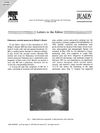
September 1999 in “Journal of the European Academy of Dermatology and Venereology”
3 citations
,
September 1999 in “Journal of the European Academy of Dermatology and Venereology” People with Behçet's disease can develop life-threatening lung artery aneurysms that may require surgery.
 421 citations
,
April 2012 in “The New England Journal of Medicine”
421 citations
,
April 2012 in “The New England Journal of Medicine” Alopecia Areata is an autoimmune condition causing hair loss with no cure and treatments that often don't work well.
 27 citations
,
May 2010 in “Dermatologic Clinics”
27 citations
,
May 2010 in “Dermatologic Clinics” Zinc can be a helpful secondary treatment for certain skin conditions, but more research is needed to guide its use.
 24 citations
,
May 2012 in “International Journal of Dermatology”
24 citations
,
May 2012 in “International Journal of Dermatology” The document concludes that eyelash trichomegaly, which is the abnormal growth of eyelashes, can be present from birth, caused by diseases, or result from certain medications.
 16 citations
,
January 2013 in “Indian Journal of Dermatology, Venereology and Leprology”
16 citations
,
January 2013 in “Indian Journal of Dermatology, Venereology and Leprology” New treatments and early diagnosis methods for permanent hair loss due to scar tissue are important for managing its psychological effects.
 1 citations
,
January 2010 in “Elsevier eBooks”
1 citations
,
January 2010 in “Elsevier eBooks” Any drug can cause skin reactions, but antibiotics, NSAIDs, and psychotropic drugs are more common, with some reactions being life-threatening.
 September 2023 in “bioRxiv (Cold Spring Harbor Laboratory)”
 Freezing gamma-irradiated amniotic fluid may help hair growth and speed up the growth phase.
 210 citations
,
July 1993 in “The journal of investigative dermatology/Journal of investigative dermatology”
210 citations
,
July 1993 in “The journal of investigative dermatology/Journal of investigative dermatology” Hair color production in mice is closely linked to the hair growth phase and may also influence hair growth itself.
 109 citations
,
July 1993 in “The journal of investigative dermatology/Journal of investigative dermatology”
109 citations
,
July 1993 in “The journal of investigative dermatology/Journal of investigative dermatology” Hair color production is closely linked to the active growth phase of hair in mice and may also influence hair growth itself.
 January 2026 in “Frontiers in Molecular Biosciences”
 A new method helps diagnose alopecia areata using specific gene markers and could guide targeted treatments.
 March 2014 in “Journal of The American Academy of Dermatology”
 The document lists various dermatology topics, treatments, and diagnostic methods.
 February 2014 in “Medicine - Programa De Formación Médica Continuada Acreditado”
 The document concludes that non-scarring alopecias can be reversed, but scarring alopecias cause permanent hair loss.
 December 2022 in “Revista Medicina Cutánea Ibero-Latino-Americana”
 JAK inhibitors help treat alopecia areata but have high recurrence after stopping.