 79 citations
,
January 2018 in “Wiley Interdisciplinary Reviews-Developmental Biology”
79 citations
,
January 2018 in “Wiley Interdisciplinary Reviews-Developmental Biology” Understanding how baby skin heals without scars could help develop treatments for adults to heal wounds without leaving scars.
 April 2021 in “Sohag Medical Journal”
 Alopecia areata is an autoimmune condition causing hair loss, linked to genetic factors and immune system issues, with no cure yet.
 June 2025 in “International Journal of Environmental Sciences”
 CLEC10A and interleukin-42 can help identify PCOS patients' response to Metformin treatment.
 January 2023 in “Biomedicine & Pharmacotherapy”
 Low oxygen conditions improve how well certain stem cells from embryos can make hair grow longer and faster.
245 citations
,
October 2015 in “Nature medicine” Hair follicle-derived IL-7 and IL-15 are crucial for maintaining skin-resident memory T cells and could be targeted for treating skin diseases and lymphoma.
198 citations
,
January 1998 in “Dermatology” The human sebocyte culture model has improved understanding of oily skin and acne, and how they can be treated.
173 citations
,
September 2011 in “Journal of Investigative Dermatology” IL-6 contributes to hair loss by shortening the growth phase and causing hair follicles to regress.
148 citations
,
September 2003 in “Journal of Investigative Dermatology Symposium Proceedings” Alopecia areata is an autoimmune disorder causing hair loss, linked to specific hair follicle antigens and genetic factors.
 114 citations
,
January 2021 in “medRxiv (Cold Spring Harbor Laboratory)”
114 citations
,
January 2021 in “medRxiv (Cold Spring Harbor Laboratory)” COVID-19 can cause over 50 long-term symptoms, with fatigue and headache being the most common.
 86 citations
,
April 2016 in “Nature Communications”
86 citations
,
April 2016 in “Nature Communications” Notch1 helps skin heal by attracting specific immune cells.
72 citations
,
March 2023 in “Biomolecules” Dupilumab effectively treats various inflammatory skin diseases beyond its initial use for atopic dermatitis.
69 citations
,
February 2008 in “The American journal of pathology” Controlled delivery of specific RNA and IL-4 restored hair growth in mice with autoimmune alopecia.
 69 citations
,
September 2006 in “Human Reproduction”
69 citations
,
September 2006 in “Human Reproduction” Women with PCOS have fewer activated T cells in their ovarian follicles, which might affect fertility.
 66 citations
,
March 2018 in “British journal of dermatology/British journal of dermatology, Supplement”
66 citations
,
March 2018 in “British journal of dermatology/British journal of dermatology, Supplement” An imbalance between certain immune cells is linked to a chronic skin condition and may be influenced by obesity, smoking, and autoimmune issues.
52 citations
,
May 1993 in “Southern Medical Journal” Imuvert can prevent some chemotherapy-induced hair loss.
 49 citations
,
December 2018 in “Journal of Investigational Allergology and Clinical Immunology”
49 citations
,
December 2018 in “Journal of Investigational Allergology and Clinical Immunology” Dupilumab may cause hair loss in some patients with severe atopic dermatitis.
 48 citations
,
January 2000 in “Hormone Research in Paediatrics”
48 citations
,
January 2000 in “Hormone Research in Paediatrics” Cytokines and neuropeptides are key in controlling androgen levels, affecting skin and hair conditions.
 47 citations
,
October 2014 in “Expert Opinion on Emerging Drugs”
47 citations
,
October 2014 in “Expert Opinion on Emerging Drugs” New alopecia treatments aim for better results and fewer side effects.
44 citations
,
June 2023 in “Cell Reports” IL-1 promotes fat cell growth in skin, while WNT inhibits it and encourages scar formation.
39 citations
,
January 2018 in “British journal of dermatology/British journal of dermatology, Supplement” Acne and hidradenitis suppurativa have different causes and risk factors, but both are driven by inflammation and may benefit from treatments targeting interleukin-1.
 39 citations
,
January 2015 in “International journal for parasitology/International Journal for Parasitology”
39 citations
,
January 2015 in “International journal for parasitology/International Journal for Parasitology” Epidermal keratinocytes start wound healing and inflammation after schistosome infection.
 32 citations
,
January 2006 in “Acta dermato-venereologica”
32 citations
,
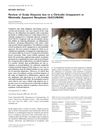
January 2006 in “Acta dermato-venereologica” SACUMAN, a rare condition causing hair loss without clear signs, is often misdiagnosed and needs scalp biopsies for accurate detection.
27 citations
,
January 2016 in “Cellular Physiology and Biochemistry” Bidens pilosa L. extract effectively treats androgen deficiency dry eye in rats.
24 citations
,
August 2022 in “Immunity” Type 2 immunity helps control mite growth in hair follicles, preventing damage.
23 citations
,
October 1996 in “Dermatologic clinics” Genes affect cytokine production, which can influence chronic diseases, and certain interventions may help prevent related molecular damage.
 22 citations
,
March 2017 in “Scientific reports”
22 citations
,
March 2017 in “Scientific reports” Double-stranded RNA causes inflammation in hair follicle cells, which may help understand and treat alopecia areata.
21 citations
,
November 2015 in “The journal of investigative dermatology. Symposium proceedings/The Journal of investigative dermatology symposium proceedings” There is no cure for alopecia areata, but treatments like JAK inhibitors show promise.
21 citations
,
February 2015 in “Clinical Cosmetic and Investigational Dermatology” Keloids may be influenced by stress and psychological factors.
21 citations
,
December 2005 in “The journal of investigative dermatology/Journal of investigative dermatology” T-cells in alopecia areata scalp show abnormal regulation, leading to less inflammation.
 20 citations
,
November 2019 in “Current Opinion in Systems Biology”
20 citations
,
November 2019 in “Current Opinion in Systems Biology” The document concludes that computational models are useful for understanding immune responses and could improve cancer immunotherapy.