 January 2013 in “Вестник Пермского государственного гуманитарно-педагогического университета. Серия № 1. Психологические и педагогические науки”
 Early childhood education and family involvement are crucial for fostering interethnic tolerance in preschoolers.
 July 2025 in “The Journal of Physiology”
 C-tactile afferents are linked to emotional touch and social bonding through hair movement.
 October 2023 in “Journal of the European Academy of Dermatology and Venereology”
 Patients with skin diseases rated psychological effects as most impactful, needing a treatment approach that addresses both mind and body.
May 2024 in “International journal of medicine and psychology.” Bank employees' multitasking effectiveness improves with cognitive flexibility, time management, stress tolerance, motivation, and specialized training.
 April 2023 in “Journal of Investigative Dermatology”
 Sunlight simulation causes skin inflammation, with different skin types reacting at different levels of exposure.
October 2017 in “European Neuropsychopharmacology” 2 citations
,
October 2023 in “Frontiers in Public Health” Addressing psychosocial symptoms can improve outcomes for people with Hidradenitis Suppurativa.
 16 citations
,
December 2012 in “The Clinical Journal of Pain”
16 citations
,
December 2012 in “The Clinical Journal of Pain” Chronic scalp pain in trichodynia involves both body-wide and localized increased pain sensitivity.
 July 2023 in “Journal of Biomedical Science”
 Different people show different symptoms for genetic diseases because of how sensitive their bodies are to small changes in important factors.
2 citations
,
May 2024 in “International journal of medicine and psychology.” Gender differences should be considered to boost motivation in female municipal workers.
September 2024 in “Journal of the American Academy of Dermatology” Generic topical and transdermal systems usually cause minimal irritation or sensitization.
8 citations
,
April 2020 in “Journal of Mind and Medical Sciences” More compassion satisfaction reduces emotional exhaustion in caregivers.
19 citations
,
November 2014 in “Journal of Comparative Physiology A” Spider joint hair sensilla are adapted to sense movement during walking.
 5 citations
,
January 2017 in “Clinics in Dermatology”
5 citations
,
January 2017 in “Clinics in Dermatology” Skin symptoms without a medical cause often reflect psychological stress and are influenced by culture, requiring a team approach for treatment.
143 citations
,
June 1983 in “Archives of dermatology” Mental and social factors greatly affect skin conditions and doctors find it hard to deal with these aspects.
 31 citations
,
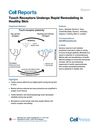
November 2016 in “Cell Reports”
31 citations
,
November 2016 in “Cell Reports” Touch sensitivity in mouse skin decreases during hair growth due to changes in touch receptors.
7 citations
,
July 2025 in “The Journal of Physiology” C-tactile nerves are sensitive to hair movement.
May 2024 in “International journal of medicine and psychology.” There's no consensus on personal sovereignty in cyberspace, and research on its psychological factors is scarce.
 4 citations
,
September 2016 in “Journal der Deutschen Dermatologischen Gesellschaft”
4 citations
,
September 2016 in “Journal der Deutschen Dermatologischen Gesellschaft” Some skin patients have body image issues linked to social difficulties but want psychological help.

Participating in Sexual Orientation Change Efforts may increase the risk of suicide for sexual minority individuals.
 January 2022 in “Turkiye Klinikleri Journal of Dermatology”
 The Turkish version of the MAIA-2 Scale is valid and reliable for patients at a dermatology clinic.
5 citations
,
August 2023 in “Skin Research and Technology” Hairy skin feels prickling more intensely than smooth skin.
6 citations
,
December 2016 in “Journal of Obsessive-Compulsive and Related Disorders” Adults with trichotillomania do not have different pain sensitivity to cold pressor pain compared to healthy individuals.
May 2024 in “International journal of medicine and psychology.” People act on needs when they mentally accept and are ready, influenced by internal and external factors.
 88 citations
,
August 2019 in “Nature communications”
88 citations
,
August 2019 in “Nature communications” Researchers found a specific immune receptor in patients that causes severe skin reactions to a drug.
The skin plays a key role in immune responses and reflects emotional and stress reactions.
40 citations
,
October 2017 in “Acta Dermato Venereologica” Understanding patients' views on their illness can help improve their disease management.
22 citations
,
November 2020 in “International Journal of Environmental Research and Public Health” Hidradenitis suppurativa negatively affects patients' sexual lives and relationships, highlighting the need for better support and communication about sexual health.
1 citations
,
November 2004 in “International Journal of Cosmetic Science” External agents penetrate skin more easily in areas with fewer lipids, especially through hair follicles.
May 2024 in “International journal of medicine and psychology.” Personal values and life priorities boost resilience and emotional stability.