114 citations
,
August 2002 in “Journal of Investigative Dermatology” Alopecia areata is caused by an immune response, and targeting immune cells might help treat it.
May 2018 in “Journal of advanced research in medicine” The document's conclusion cannot be provided because the document is not accessible or understandable.
22 citations
,
February 2000 in “Journal of the American Academy of Dermatology” Eosinophils are not a reliable marker for diagnosing alopecia areata.
 4 citations
,
July 2025 in “Frontiers in Immunology”
4 citations
,
July 2025 in “Frontiers in Immunology” Early intervention with JAK inhibitors may prevent alopecia areata progression.
 February 2025 in “Cureus”
 New methods reliably assess hair regrowth and scalp health in hair loss patients.
April 2023 in “Journal of Investigative Dermatology” Increased TEMRA cells can predict treatment outcomes in rapidly progressive alopecia areata.
 60 citations
,
December 2005 in “Biomedical Papers”
60 citations
,
December 2005 in “Biomedical Papers” Hair analysis can detect drug use but requires careful interpretation due to its complexity.
 January 2009 in “Hair transplant forum international”
 The document's content could not be understood or processed.
November 2024 in “IP Indian Journal of Clinical and Experimental Dermatology” Alopecia areata greatly affects quality of life, needing psychological support.
 23 citations
,
June 2003 in “Journal of Investigative Dermatology Symposium Proceedings”
23 citations
,
June 2003 in “Journal of Investigative Dermatology Symposium Proceedings” Alopecia Areata is an autoimmune disease affecting hair follicles, influenced by genetic and environmental factors, with rodent models being essential for research.
17 citations
,
June 2024 in “Journal of the European Academy of Dermatology and Venereology” Alopecia areata significantly affects mental health, especially in women and those with severe cases.
2 citations
,
January 2012 Androgenetic alopecia is the only hair loss condition with specific diagnostic criteria in trichoscopy.
 April 2016 in “Journal of The American Academy of Dermatology”
 AGA patients have a lower quality of life than AA patients.
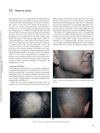 April 2012 in “Informa Healthcare eBooks”
 Alopecia areata is a common autoimmune condition causing varying hair loss, diagnosed by specific patterns of inflammation around hair follicles, with several treatment options available.
305 citations
,
March 2008 in “AJP Endocrinology and Metabolism” SSAT is a key enzyme affecting cell growth and metabolism, with potential but risky use in disease treatment.
Controlling Tslp can improve health in AEC syndrome patients.
January 2025 in “International Journal of Pharma Medicine and Biological Sciences” DP cells interact with immune cells, possibly causing hair loss in Alopecia Areata.

The system can automatically identify different hair and scalp conditions using machine learning.
 11 citations
,
September 2013 in “Journal of The European Academy of Dermatology and Venereology”
11 citations
,
September 2013 in “Journal of The European Academy of Dermatology and Venereology” People with alopecia areata may be more likely to have a certain type of hearing loss.
April 2026 in “Human Genome Variation” Long-read RNA sequencing can identify complex gene changes in IFAP syndrome.
 May 1999 in “Hair transplant forum international”
 The document cannot be processed or understood.
ILC1-like cells may contribute to hair loss in alopecia areata and could be new treatment targets.
 February 2023 in “International Journal of Multimedia Computing”
 The improved algorithm enhances low-dose CT image quality significantly better than other methods.
September 2025 in “Blood Advances” Targeting androgen receptor signaling may improve acute myeloid leukemia treatment.
19 citations
,
July 2019 in “Journal of Cosmetic Dermatology” A new tool can predict hair regrowth in patchy alopecia areata patients.
 August 2025 in “Journal of IMAB - Annual Proceeding (Scientific Papers)”
 The A-T advancement flap is a safe and effective method for scalp reconstruction after basal cell carcinoma removal.
December 2015 in “PLOS ONE”  24 citations
,
June 2021 in “Journal of the European Academy of Dermatology and Venereology”
24 citations
,
June 2021 in “Journal of the European Academy of Dermatology and Venereology” Use specific tools to measure quality of life in alopecia areata patients and improve future treatments.
1 citations
,
September 2021 in “Dermatologic Therapy” AC5 improves hair loss and hair quality with high satisfaction rates.
New drugs, baricitinib and ritlecitinib, are effective for severe alopecia areata.