 2 citations
,
January 2015 in “Hair transplant forum international”
2 citations
,
January 2015 in “Hair transplant forum international” Using human recombinant hyaluronidase in donor strip harvesting may improve the procedure.
 September 2022 in “Dermatology and therapy”
 Contact immunotherapy might help treat various skin conditions, but more research is needed to confirm its safety and effectiveness.
 4 citations
,
January 2012 in “International Society of Hair Restoration Surgery”
4 citations
,
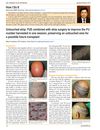
January 2012 in “International Society of Hair Restoration Surgery” Combining FUE and strip surgery increases hair harvested in one session and keeps options open for future transplants.
September 2023 in “Journal of the American Academy of Dermatology” Alopecia is rare after organ transplants but more common in females, Hispanic patients, and pancreas recipients.
50 citations
,
July 2015 in “Journal of the American Academy of Dermatology” Using 2.5 mg/mL triamcinolone acetonide is effective for hair growth in alopecia areata with fewer side effects.
20 citations
,
August 2005 in “The Journal of laboratory and clinical medicine” Mice with damaged skin or hair follicles are more susceptible to anthrax infection.
 25 citations
,
August 1998 in “Dermatologic Surgery”
25 citations
,
August 1998 in “Dermatologic Surgery” Dissecting microscopes give more and better quality hair grafts than magnifying loupes.

Proper planning and careful extraction are crucial for successful and sustainable hair transplants.
 1 citations
,
October 1996 in “Journal of Cutaneous Medicine and Surgery”
1 citations
,
October 1996 in “Journal of Cutaneous Medicine and Surgery” Gene therapy shows promise for treating skin disorders and cancer, but faces technical challenges.
 September 2021 in “Hair transplant forum international”
 Synthetic hair implants can cause infection and scarring, so safer options like follicular unit excision are recommended.