 18 citations
,
March 2004 in “Clinics in Dermatology”
18 citations
,
March 2004 in “Clinics in Dermatology” Lupus can cause hair loss and nail changes, with treatments available for both.
14 citations
,
January 2015 in “Annals of dermatology/Annals of Dermatology” Corticosteroid pulse therapy is more effective for severe alopecia areata than combination therapy.
 13 citations
,
August 2012 in “Journal of the American Academy of Dermatology”
13 citations
,
August 2012 in “Journal of the American Academy of Dermatology” A rare scalp condition causing hair loss and cysts in young men can be treated effectively with a specific steroid injection.
 8 citations
,
October 2019 in “International Journal of Dermatology”
8 citations
,
October 2019 in “International Journal of Dermatology” The study concluded that combination therapy with topical corticosteroids and hydroxychloroquine or finasteride is effective in treating Frontal fibrosing alopecia in Asians.
 2 citations
,
August 2022 in “Federal Practitioner”
2 citations
,
August 2022 in “Federal Practitioner” A severe medication reaction required long treatment and led to hair loss and thyroid issues.
 2 citations
,
April 1981 in “International Journal of Dermatology”
2 citations
,
April 1981 in “International Journal of Dermatology” No treatment reliably changes Alopecia Areata's course; reassurance and possibly a wig are recommended.
 1 citations
,
February 2021 in “Gastroenterology”
1 citations
,
February 2021 in “Gastroenterology” A woman with inflammatory bowel disease improved after treatment with ustekinumab for a rare skin condition associated with her disease.
 1 citations
,
July 2018 in “Elsevier eBooks”
1 citations
,
July 2018 in “Elsevier eBooks” Alopecia Areata is an autoimmune hair loss condition, with various treatments showing mixed effectiveness and no guaranteed cure.
 1 citations
,
July 2015 in “British Journal of Dermatology”
1 citations
,
July 2015 in “British Journal of Dermatology” Imiquimod improved skin pigmentation in most patients with xeroderma pigmentosum and may prevent further skin cancer, but some treatments can have side effects.
 1 citations
,
July 2012 in “Springer eBooks”
1 citations
,
July 2012 in “Springer eBooks” The document concludes that more research is needed to better understand and treat scarring hair loss conditions.
 April 2026 in “Indian Journal of Dermatology”
 PRP and IT are equally effective for treating localized alopecia areata, but PRP causes more pain and bleeding.
Alopesi tedavisinde ilaçlar saç büyümesini teşvik eder ve yeni yaklaşımlar umut vaat eder.
 August 2025 in “Zanco Journal of Medical Sciences”
 Both steroid and vitamin D3 treatments are safe and effective for patchy alopecia areata, with steroids showing slightly better results.
 December 2023 in “Dermatology and therapy”
 Japanese patients and physicians often disagree on the severity of Alopecia Areata and treatment satisfaction, needing better communication and treatments.
Fire needle therapy's benefits and safety for alopecia areata need more evidence.
 January 2022 in “Clinical dermatology open access journal”
 Early-stage Alopecia Areata was effectively treated in less than six months.
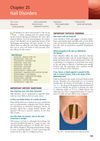 January 2018 in “Elsevier eBooks”
 Different nail disorders are treated by targeting their specific causes and using appropriate medications or protective measures.
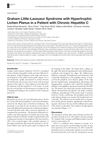 February 2016 in “Acta Medica Marisiensis”
 A woman with chronic hepatitis C had a rare skin condition linked to her illness.
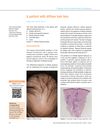 January 2015 in “Indian Dermatology Online Journal”
 The patient's hair loss is most likely due to diffuse alopecia areata.
 March 2014 in “Journal of The American Academy of Dermatology”
 Azathioprine may be an effective treatment for severe hair loss.
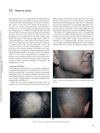 April 2012 in “Informa Healthcare eBooks”
 Alopecia areata is a common autoimmune condition causing varying hair loss, diagnosed by specific patterns of inflammation around hair follicles, with several treatment options available.
 May 2010 in “Journal of the Dermatology Nurses' Association”
 Cicatricial alopecia causes permanent hair loss and is treated to relieve symptoms and stop progression.
6 citations
,
November 2020 in “Clinical Cosmetic and Investigational Dermatology” Both concentrations of triamcinolone acetonide are effective for hair regrowth in patchy alopecia areata, but 5 mg/mL is recommended to reduce side effects.
 4 citations
,
June 2002 in “Clinical and experimental dermatology”
4 citations
,
June 2002 in “Clinical and experimental dermatology” Effective treatment for hidradenitis suppurativa varies, with antibiotics commonly used and surgery as an option, but no single method is universally successful.
 26 citations
,
June 2019 in “The journal of investigative dermatology/Journal of investigative dermatology”
26 citations
,
June 2019 in “The journal of investigative dermatology/Journal of investigative dermatology” Regenerative therapies show promise for treating vitiligo and alopecia areata.
 8 citations
,
June 2012 in “Australasian Journal of Dermatology”
8 citations
,
June 2012 in “Australasian Journal of Dermatology” A rare form of alopecia causes hair thinning without bald spots and may be more common than thought, responding well to steroid treatment.
 7 citations
,
April 1987 in “International Journal of Dermatology”
7 citations
,
April 1987 in “International Journal of Dermatology” Stopping imipramine reduced the woman's hair loss.
 March 2018 in “Dermatología Argentina”
 The study found that the average age of women diagnosed with Frontal Fibrosing Alopecia in Argentina is higher than in other countries, but their symptoms are similar.
 October 2017 in “Journal of Investigative Dermatology Symposium Proceedings”
 Using lidocaine before keloid injections makes the treatment more comfortable for patients.
 July 2010 in “British Journal of Dermatology”
 Hair loss in women may have multiple causes, and eyebrow regrowth possible with specific injections.