2 citations
,
March 2020 in “Baghdad Science Journal” Finasteride effectively reduces DHT and E2 levels, helping with prostate enlargement.
 February 2021 in “Reactions Weekly”
 Finasteride and dutasteride may cause macular abnormalities.
December 2005 in “Current Prostate Reports” In 2005, men used finasteride mainly to treat an enlarged prostate.
 2 citations
,
November 2017 in “Biotechnology Letters”
2 citations
,
November 2017 in “Biotechnology Letters” Researchers found four natural compounds that can change DHT levels in prostate cancer cells.
10 citations
,
March 2023 in “Journal of Chemistry” New compounds show promise for treating benign prostate hyperplasia with fewer side effects.
 9 citations
,
January 2014 in “Medical Hypotheses”
9 citations
,
January 2014 in “Medical Hypotheses” Higher DHT in male baldness may protect against prostate cancer.
September 2004 in “Urology” Dutasteride may help prevent prostate cancer, but more research is needed.
 5 citations
,
January 2022 in “Clinical cancer investigation journal”
5 citations
,
January 2022 in “Clinical cancer investigation journal” Certain Dibenzo derivatives may help treat prostate cancer.
 4 citations
,
March 2018 in “Journal of labelled compounds & radiopharmaceuticals”
4 citations
,
March 2018 in “Journal of labelled compounds & radiopharmaceuticals” A new compound was effective for imaging prostate cancer in rats.
 21 citations
,
January 2015 in “The Journal of Steroid Biochemistry and Molecular Biology”
21 citations
,
January 2015 in “The Journal of Steroid Biochemistry and Molecular Biology” Progesterone byproduct 5αP stimulates mammary tumor growth, but finasteride can suppress it.
37 citations
,
May 1997 in “The Journal of Clinical Endocrinology & Metabolism” MK-386 lowers DHT in blood and skin but not in semen.
48 citations
,
February 2006 in “Molecular and Cellular Endocrinology” 5α-reductase inhibitors may reduce male fertility and could be used for male contraception.
19 citations
,
March 2010 in “Steroids” Certain progesterone derivatives can inhibit enzymes and reduce androgenic activity, potentially affecting prostate growth.
August 2004 in “Medisch-Farmaceutische Mededelingen” Long-term use of finasteride may cause breast cancer in men.
 November 2005 in “The Journal of Urology”
 Dutasteride may lower the chance of finding prostate cancer in men with enlarged prostates.
 9 citations
,
October 2013 in “PLOS ONE”
9 citations
,
October 2013 in “PLOS ONE” Dutasteride works better than finasteride for preventing and treating prostate cancer.
 82 citations
,
January 2000 in “Hormone Research in Paediatrics”
82 citations
,
January 2000 in “Hormone Research in Paediatrics” DHEA stimulates skin oil glands and could help postmenopausal women, with potential for acne and excessive hair growth treatments.
 72 citations
,
April 2008 in “The Journal of urology/The journal of urology”
72 citations
,
April 2008 in “The Journal of urology/The journal of urology” Dutasteride and finasteride do not significantly affect bone density, blood fats, or blood production, but slightly lower PSA levels and minimally impact sexual function in healthy young men.
 April 2013 in “The Journal of Urology”
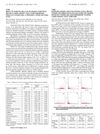
 Higher CRP levels suggest chronic inflammation is linked to bladder-related urinary symptoms in men with enlarged prostates.
 18 citations
,
April 2011 in “International Journal of Molecular Medicine”
18 citations
,
April 2011 in “International Journal of Molecular Medicine” Dihydrotestosterone causes p27 protein breakdown in ovarian and breast cancer cells by binding with SKP2.
 2 citations
,
March 2012 in “Nature Reviews Endocrinology”
2 citations
,
March 2012 in “Nature Reviews Endocrinology” The body's change of testosterone into DHT is not necessary for testosterone's muscle and sexual effects.
 1 citations
,
April 2016 in “Journal of Investigative Dermatology”
1 citations
,
April 2016 in “Journal of Investigative Dermatology” Prostaglandin D2 increases testosterone levels in skin cells through reactive oxygen species, not enzymes, which could lead to new hair loss treatments.
 October 2023 in “Journal of the Endocrine Society”
 A woman's excessive hair growth was linked to a rare case of high testosterone caused by a prolactin-producing pituitary tumor.
 7 citations
,
July 1995 in “PubMed”
7 citations
,
July 1995 in “PubMed” Finasteride, a drug that changes testosterone to a different hormone, was studied and its effects over time were modeled successfully.
 4 citations
,
September 2010 in “Medical Hypotheses” 20 citations
,
January 2004 in “PubMed Central”
4 citations
,
September 2010 in “Medical Hypotheses” 20 citations
,
January 2004 in “PubMed Central” 5α-reductase inhibitors like finasteride and dutasteride effectively treat BPH by reducing DHT levels.
8 citations
,
June 2017 in “Steroids” New chemical compounds were made that effectively block an enzyme linked to prostate growth.
59 citations
,
September 2003 in “Journal of steroid biochemistry and molecular biology/The Journal of steroid biochemistry and molecular biology” Epitestosterone may counteract testosterone's effects and has roles in body processes like prostate growth and hair distribution.
 15 citations
,
March 1997 in “International Journal of Dermatology”
15 citations
,
March 1997 in “International Journal of Dermatology” Finasteride shows promise for treating hair loss and excessive hair growth, but more research is needed to confirm its effectiveness and safety.
1 citations
,
August 2016 DHA derivatives, especially didocosahexaenoin, effectively kill prostate cancer cells and may offer a safer cancer treatment option.