11 citations
,
April 2020 in “Andrology” Testosterone replacement therapy, especially intramuscular, raises PSA levels, but no overall link between PSA and testosterone was found except in non-BPH patients.
59 citations
,
January 1976 in “Vitamins and hormones” Prostate cells have proteins that bind to specific hormones, which can increase protein production when activated by these hormones.
 28 citations
,
November 2003 in “The Journal of clinical endocrinology and metabolism/Journal of clinical endocrinology & metabolism”
28 citations
,
November 2003 in “The Journal of clinical endocrinology and metabolism/Journal of clinical endocrinology & metabolism” The normal human prostate does not significantly affect blood DHT levels.
12 citations
,
October 2018 in “Aging male/The aging male” Higher BMI and lower testosterone are linked to more aggressive prostate cancer.
 2 citations
,
April 2007 in “Journal of Labelled Compounds and Radiopharmaceuticals”
2 citations
,
April 2007 in “Journal of Labelled Compounds and Radiopharmaceuticals” The conclusion is that tritium-labeled testosterone metabolites can be made and are better converted into dihydrotestosterone in skin cells than in prostate tissue.
1 citations
,
January 2010 in “Endocrine abstracts” 2 citations
,
December 2017 in “Theriogenology” Testosterone increases acidification in the vas deferens by up-regulating V-ATPase.
May 2022 in “Reactions Weekly” 35 citations
,
November 1989 in “Journal of steroid biochemistry/Journal of Steroid Biochemistry” Epitestosterone may act as a weak antiandrogen and can inhibit an enzyme involved in testosterone metabolism.
12 citations
,
February 1975 in “Journal of Steroid Biochemistry”  11 citations
,
August 2020 in “Diabetes”
11 citations
,
August 2020 in “Diabetes” Testosterone helps human pancreatic cells increase insulin release.

Testosterone in our bodies helps increase insulin secretion from the pancreas.
11 citations
,
September 2015 in “Theriogenology” Testosterone boosts fluid and electrolyte secretion in seminal vesicles, aiding sperm function.
 April 2013 in “The Journal of Urology”
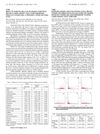
 Higher CRP levels suggest chronic inflammation is linked to bladder-related urinary symptoms in men with enlarged prostates.
 April 2010 in “The Journal of Urology”
 Human prostate cells produce more WISP1/CCN4 when there's not enough oxygen.
January 1978 in “Enlighten: Theses (The University of Glasgow)” Inhibiting testosterone 5alpha-reductase may help treat benign prostatic hyperplasia.
42 citations
,
May 2007 in “Endocrinology and metabolism/American journal of physiology: endocrinology and metabolism” Testosterone can build muscle and bone without enlarging the prostate when a specific enzyme is blocked.
 10 citations
,
December 2019 in “in Vivo”
10 citations
,
December 2019 in “in Vivo” Testosterone makes the connections in the uterus lining simpler and lowers certain protein levels, which might lead to infertility.

Testosterone in human pancreas cells boosts insulin production.
Finasteride may improve prostate cancer therapy by enhancing testosterone's benefits and reducing risks.
August 2003 in “Oncology Times” The trial on testosterone replacement therapy in older men faced concerns due to prostate cancer risk.
59 citations
,
September 2003 in “Journal of steroid biochemistry and molecular biology/The Journal of steroid biochemistry and molecular biology” Epitestosterone may counteract testosterone's effects and has roles in body processes like prostate growth and hair distribution.
November 2005 in “The Journal of Urology”  3 citations
,
February 2025 in “Endocrine”
3 citations
,
February 2025 in “Endocrine” Confirm testosterone levels with advanced tests to avoid unnecessary procedures.
 April 2010 in “The Journal of Urology”
 The research found that androgens help control blood flow in the rat prostate through a specific binding site.
1 citations
,
September 2020 in “DOAJ (DOAJ: Directory of Open Access Journals)” Dihydrotestosterone (DHT) promotes the growth and spread of aggressive brain tumor cells.
 January 2006 in “Actas Urológicas Españolas”
 Incidental prostate cancer was found in 4.89% of patients undergoing surgery for benign prostatic hyperplasia.
 5 citations
,
October 2018 in “Sains Malaysiana”
5 citations
,
October 2018 in “Sains Malaysiana” Testosterone reduces key molecules needed for early pregnancy in rats.
 1 citations
,
November 2023 in “American journal of clinical pathology”
1 citations
,
November 2023 in “American journal of clinical pathology” Transgender men on testosterone therapy need ongoing gynecologic care due to potential cancer risks.
184 citations
,
January 2000 in “European Urology” Blocking the enzyme that turns testosterone into DHT can safely and effectively treat enlarged prostate.