 159 citations
,
October 2015 in “Science Advances”
159 citations
,
October 2015 in “Science Advances” Blocking JAK-STAT signaling can lead to hair growth.
 66 citations
,
August 2001 in “Experimental Dermatology”
66 citations
,
August 2001 in “Experimental Dermatology” Human hair follicle cells can grow hair when put into mouse skin if they stay in contact with mouse cells.
 65 citations
,
July 2020 in “Science Advances”
65 citations
,
July 2020 in “Science Advances” Dermal exosomes with miR-218-5p boost hair growth by controlling β-catenin signaling.
 48 citations
,
December 2004 in “Differentiation”
48 citations
,
December 2004 in “Differentiation” Tooth papilla cells can help regenerate hair follicles and grow hair.
 28 citations
,
September 2013 in “Journal of Investigative Dermatology”
28 citations
,
September 2013 in “Journal of Investigative Dermatology” The document concludes that dermal papilla cells are key for hair growth and could be used in new hair loss treatments.
 25 citations
,
April 2008 in “Archives of Dermatological Research”
25 citations
,
April 2008 in “Archives of Dermatological Research” Encapsulated human hair cells can substitute for natural hair cells to grow hair.
 22 citations
,
April 2006 in “Journal of Dermatological Science”
22 citations
,
April 2006 in “Journal of Dermatological Science” Vitamin C derivative increases versican in cells, potentially aiding hair growth.
 21 citations
,
June 2018 in “Current Opinion in Genetics & Development”
21 citations
,
June 2018 in “Current Opinion in Genetics & Development” Scientists have made progress in growing mini-organs and regenerating parts of the skin, with plans to treat hair loss in a future trial.
 September 2019 in “Journal of Investigative Dermatology”
 The 3D-SeboSkin model effectively simulates Hidradenitis suppurativa and is useful for future research.
 November 2017 in “Asian journal of pharmaceutical and clinical research”
 Three compounds from Dadap leaves may help treat hair loss.
 January 2016 in “Elsevier eBooks”
 The conclusion is that grasping how cells determine their roles through evolution is key, with expected progress from new research models and genome editing.
 July 2012 in “Springer eBooks”
 The document concludes that proper diagnosis and treatment of nonscarring alopecias can improve quality of life and hair regrowth is possible as the hair follicle remains intact.
 58 citations
,
November 2020 in “International Journal of Dermatology”
58 citations
,
November 2020 in “International Journal of Dermatology” COVID-19 may cause a temporary hair loss condition called telogen effluvium in some patients after recovery.
 35 citations
,
June 2005 in “The Milbank Quarterly”
35 citations
,
June 2005 in “The Milbank Quarterly” The conclusion is that formalizing how past decisions influence current health technology assessments could improve the credibility and defense of coverage decisions.
 27 citations
,
July 1994 in “Human Pathology”
27 citations
,
July 1994 in “Human Pathology” Understanding chaos and control mechanisms in disease can improve diagnosis and prediction in medicine.
 23 citations
,
December 2001 in “Lasers in Surgery and Medicine”
23 citations
,
December 2001 in “Lasers in Surgery and Medicine” Permanent hair removal is hard, but using longer laser pulses at lower power might improve results.
 14 citations
,
January 2021 in “Cureus”
14 citations
,
January 2021 in “Cureus” The AndroCoV Clinical Scoring is a quick, accurate, and free tool for diagnosing COVID-19.
 5 citations
,
October 2013 in “Experimental Dermatology”
5 citations
,
October 2013 in “Experimental Dermatology” The commentary explains that a balance of HR protein and putrescine is important for normal hair growth.
 1 citations
,
July 2025 in “Scientific Reports”
1 citations
,
July 2025 in “Scientific Reports” Diagonal earlobe crease and lipoprotein(a) together help diagnose coronary heart disease.
The document concludes that dermatology training and grading scales need to better represent dark-skinned individuals to improve diagnosis and assessment of skin conditions.
 April 2024 in “arXiv (Cornell University)”
 STITCH improves suture accuracy and efficiency, especially with human help.
 April 2003 in “Experimental Dermatology”
 The workshop highlighted the genetic links and psychological impacts of hair loss and skin disorders.
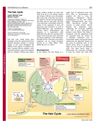 375 citations
,
February 2006 in “Journal of Cell Science”
375 citations
,
February 2006 in “Journal of Cell Science” The document concludes that the hair cycle is a complex process involving growth, regression, and rest phases, regulated by various molecular signals.
 330 citations
,
December 2009 in “Cell stem cell”
330 citations
,
December 2009 in “Cell stem cell” SKPs are similar to adult skin stem cells and could help in skin repair and hair growth.
 300 citations
,
August 2012 in “Seminars in Cell & Developmental Biology”
300 citations
,
August 2012 in “Seminars in Cell & Developmental Biology” The conclusion is that certain cell interactions and signals are crucial for hair growth and regeneration.
 271 citations
,
March 1999 in “Developmental biology”
271 citations
,
March 1999 in “Developmental biology” The research shows that a gene called Wnt3 affects hair growth and structure, causing short hair and balding when overactive.
 214 citations
,
March 1993 in “Archives of Dermatology”
214 citations
,
March 1993 in “Archives of Dermatology” Telogen effluvium is a reversible hair loss condition that requires a detailed diagnosis and often resolves on its own.
 208 citations
,
December 2003 in “Journal of Investigative Dermatology”
208 citations
,
December 2003 in “Journal of Investigative Dermatology” Certain cells from hair follicles can create new hair and contribute to hair growth when implanted in mice.
 184 citations
,
December 2018 in “Nature Communications”
184 citations
,
December 2018 in “Nature Communications” Researchers created human hair follicles using a new method that could help treat hair loss.
 116 citations
,
August 2010 in “Nature”
116 citations
,
August 2010 in “Nature” Scientists turned rat thymus cells into stem cells that can help repair skin and hair.