Ritlecitinib improves hair regrowth in alopecia areata without increasing adverse risks.
36 citations
,
January 2012 in “Dermatology” Stopping gefitinib improved scalp condition in a woman with lung cancer.
 9 citations
,
July 2017 in “Journal of medical case reports”
9 citations
,
July 2017 in “Journal of medical case reports” Ruxolitinib treatment may cause eyelash growth.
September 2023 in “Journal of the American Academy of Dermatology” 15 citations
,
January 2025 in “Journal of the European Academy of Dermatology and Venereology” Ritlecitinib is effective and safe for treating alopecia areata, promoting significant hair regrowth.
January 2026 in “Clinical and Experimental Dermatology” Ruxolitinib helped a patient with alopecia areata regrow hair.
 65 citations
,
February 2015 in “Neuro-Oncology”
65 citations
,
February 2015 in “Neuro-Oncology” Alisertib was found to be an effective and tolerable treatment for children with recurrent brain tumors.
9 citations
,
August 2021 in “Biomedicines” 17β-estradiol boosts APE1/Ref-1 secretion in cells and mice via a calcium-dependent pathway.
August 2024 in “Postgraduate Medical Journal” A rare skin reaction from cancer treatment was successfully managed with topical treatments and antihistamines.
13 citations
,
February 2025 in “Journal of the European Academy of Dermatology and Venereology” Ritlecitinib shows promise for treating alopecia areata, especially with early and extended treatment.
May 2011 in “Psychiatric News” Horizant has risks like other seizure drugs, Johnson & Johnson misled about Risperdal, and Quanterix found a possible link between brain oxygen loss and Alzheimer's markers.
September 2023 in “Journal of the American Academy of Dermatology” Risankizumab effectively treats and maintains skin clearance in moderate-to-severe psoriasis.
5 citations
,
January 2016 in “International Journal of Trichology” Erlotinib can cause hair loss and texture changes.
 April 2024 in “Frontiers in pharmacology”
 Brepocitinib 30mg is most effective for moderate-to-severe alopecia areata, but ritlecitinib 50mg may offer a better balance of safety and effectiveness.
2 citations
,
March 2012 in “Current opinion in urology” 5-alpha-reductase inhibitors might help slow down low-risk prostate cancer, but their use should be cautious.
December 2013 in “Cumhuriyet Tıp Dergisi/Cumhuriyet Üniversitesi Tıp Fakültesi dergisi” Erlotinib can cause acne-like skin issues, needing early treatment and possible dosage adjustments.
1 citations
,
April 2010 in “Cancer Research” WYE-130600 may cause skin thickening and irritation.
Ritlecitinib significantly regrows scalp hair in people with alopecia areata.
May 2025 in “Journal of the European Academy of Dermatology and Venereology” Ritlecitinib is effective for long-term hair regrowth in alopecia areata, especially in females and early treatment.
90 citations
,
August 2006 in “British Journal of Dermatology” PRIDE syndrome includes skin and hair issues from cancer treatment with EGFR inhibitors.
July 2023 in “SKIN The Journal of Cutaneous Medicine” Continued ritlecitinib treatment can improve hair regrowth in some alopecia areata patients who initially don't respond.
 April 2024 in “JEADV clinical practice”
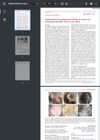
 Upadacitinib significantly improved both rheumatoid arthritis and alopecia areata in a patient.
 July 2023 in “Journal of Clinical Medicine”
 Tirzepatide might help manage PCOS in obese patients but needs more research to confirm safety and effectiveness.
 October 2025 in “Dermatology and Therapy”
 Ritlecitinib is being tested for effectiveness and safety in treating severe alopecia areata.
Adding a topical agent to IPL improves hair reduction and satisfaction without extra side effects.
February 2026 in “International Journal of Dermatology” Ritlecitinib shows promise in improving hair regrowth in adolescents with alopecia areata.
 4 citations
,
January 2015 in “Pharmacology”
4 citations
,
January 2015 in “Pharmacology” Serenoa repens may cause early puberty and should be used cautiously in children.
49 citations
,
February 2022 in “Drug Design Development and Therapy” Ritlecitinib shows promise for hair regrowth in alopecia areata patients.
 February 2026 in “Oncology Reviews”
 Sacituzumab tirumotecan shows promise in treating breast cancer with manageable side effects.
November 2023 in “SKIN The Journal of Cutaneous Medicine”