 15 citations
,
May 2015 in “Photomedicine and Laser Surgery”
15 citations
,
May 2015 in “Photomedicine and Laser Surgery” Low-Level Laser Therapy may help with flap survival and burn scar healing, but not with venous ulcers or hair loss, and more research is needed.
 November 2022 in “Journal of Investigative Dermatology”
 The LED light therapy mask improved skin elasticity and reduced signs of aging in a test and in women aged 40-60.
21 citations
,
March 2020 in “Journal of lasers in medical sciences” Diode laser hair removal is effective and safe, but side effects vary by ethnicity and treatment number.
 43 citations
,
June 2012 in “Lasers in Medical Science”
43 citations
,
June 2012 in “Lasers in Medical Science” Low-level laser treatment helped rats regrow hair faster after chemotherapy.
 92 citations
,
January 1999 in “Physics in Medicine and Biology”
92 citations
,
January 1999 in “Physics in Medicine and Biology” Skin can be cooled quickly and safely during laser treatments to protect it without affecting deeper layers.
 July 2024 in “Scholars Journal of Medical Case Reports”
 Combining low-level laser therapy and exosome therapy promotes hair growth.
27 citations
,
November 2010 in “JDDG Journal der Deutschen Dermatologischen Gesellschaft” New laser therapies are effective for skin damage, hair removal, and fat reduction.
 October 2021 in “QJM: An International Journal of Medicine”
 Intense Pulsed Light treatments significantly improve signs of aging and sun damage on the skin.
 1 citations
,
January 2023 in “Journal of cosmetic dermatology”
1 citations
,
January 2023 in “Journal of cosmetic dermatology” Combining CO2 laser with platelet-rich plasma is more effective for treating acne scars than laser alone.
September 2025 in “International Society of Hair Restoration Surgery” Eyelash restoration needs skilled experts for safe, natural results.
 April 2018 in “International journal of nanotechnology and nanomedicine”
 Low-level laser therapy effectively reduces the size of pressure ulcers compared to placebo.
 87 citations
,
February 2004 in “Plastic and Reconstructive Surgery”
87 citations
,
February 2004 in “Plastic and Reconstructive Surgery” Hair follicle stem cells helped heal a severe scalp burn without needing traditional skin grafts.
2 citations
,
December 2012 in “Dermatologic Surgery”  6 citations
,
June 2013 in “British Journal of Dermatology”
6 citations
,
June 2013 in “British Journal of Dermatology” Intense pulsed light treatment mainly damages pigmented hair parts but spares stem cells, allowing hair to regrow.
 February 2009 in “Journal of The American Academy of Dermatology”
 Fractional infrared technology is effective and safe for treating cervical laxity.
 22 citations
,
June 2002 in “Seminars in cutaneous medicine and surgery”
22 citations
,
June 2002 in “Seminars in cutaneous medicine and surgery” Laser hair removal works well for people with dark hair and light skin, but it's less effective for light hair or dark skin; improvements are expected.
 3 citations
,
April 2017 in “Dermatologic Surgery”
3 citations
,
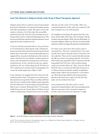
April 2017 in “Dermatologic Surgery” Laser hair removal can be an effective last-resort treatment for men with stubborn Alopecia Areata who want to be uniformly bald.
2 citations
,
May 2018 in “Dermatologic Surgery” 16 citations
,
April 2020 in “Dermatology practical & conceptual” Laser treatment can effectively reduce unwanted hair growth, particularly for people with fair skin and dark hair.
Low-level laser therapy reduces symptoms and inflammation in frontal fibrosing alopecia.
 January 2023 in “Skin appendage disorders”
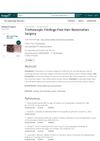
 Hair restoration surgery can change the appearance of hair when examined with a special magnifying tool.
2 citations
,
November 2025 in “Healthcare” Combining a 675 nm laser with isotretinoin improves acne treatment results.
April 2026 in “Frontiers in Medicine” The 675-nm diode laser may safely help treat telogen effluvium.
October 2013 in “CRC Press eBooks” Low-level light therapy is used in cosmetics and dermatology to repair skin, reduce inflammation, and treat various skin conditions.
12 citations
,
January 2021 in “Dermatology Research and Practice” The 1927 nm Thulium laser effectively and safely treats postinflammatory hyperpigmentation in darker skin tones.
36 citations
,
June 2016 in “Journal of dermatological treatment” The combination therapy significantly improved Riehl’s melanosis in patients without serious side effects.
39 citations
,
June 1999 in “Seminars in cutaneous medicine and surgery” Optical hair removal devices showed potential for long-term hair removal in 1999.
 April 2018 in “The journal of investigative dermatology/Journal of investigative dermatology”
 Higher fluence in hair removal damages hair follicles more, while lower fluence mimics natural hair regression, with long-term IPL treatments effectively reducing hair.
35 citations
,
October 2003 in “Dermatologic clinics” Laser therapy on darker skin has higher risks and needs expert handling.