 October 2023 in “Journal of dermatological science”
 New mutations in MBTPS2 reduce its function and cause IFAP syndrome with unusual symptoms.
49 citations
,
October 1989 in “Genomics” Type I keratin genes are closely linked to the rex locus on mouse chromosome 11, affecting hair development.
 2 citations
,
March 2020 in “bioRxiv (Cold Spring Harbor Laboratory)”
2 citations
,
March 2020 in “bioRxiv (Cold Spring Harbor Laboratory)” HAIR may cause fetal loss by triggering different cell death processes in the uterus and placenta.
January 2026 in “Journal of Dermatological Science” DcR3 helps heal wounds and regrow hair by changing macrophages to a repair-focused type.
7 citations
,
September 2003 in “Journal of Investigative Dermatology” PAR-1 may play a role in hair growth regulation in human hair follicles.
 1 citations
,
July 2022 in “The journal of investigative dermatology/Journal of investigative dermatology”
1 citations
,
July 2022 in “The journal of investigative dermatology/Journal of investigative dermatology” Tofacitinib helps improve skin conditions in people with Down syndrome, especially alopecia areata.
 1 citations
,
October 2022 in “JCI insight”
1 citations
,
October 2022 in “JCI insight” Deleting the BRD4 protein in certain skin cells causes hair loss and skin inflammation.
March 2025 in “European Journal of Medical Genetics” Tofacitinib helped improve symptoms and hair growth in a patient with Aicardi-Goutières syndrome.
8 citations
,
January 2013 in “genesis” Zfp157 is active in many mouse tissues during development and in specific adult cells.
5 citations
,
May 2023 in “Frontiers in Cell and Developmental Biology” Integrin α6 helps identify different neural crest cell types in the skin.
September 2019 in “The journal of investigative dermatology/Journal of investigative dermatology” New RIPK4 gene mutations were found to cause a type of skin and limb birth defect.
 April 2023 in “Journal of Investigative Dermatology”
 Dimethyl fumarate speeds up wound healing in IL-36Ra deficient mice by reducing NET formation and oxidative stress.
22 citations
,
September 2014 in “JAMA dermatology” Ichthyosis with confetti is a genetic skin disorder with consistent ectodermal malformations and various KRT10 gene mutations.
 4 citations
,
February 2021 in “Plant journal”
4 citations
,
February 2021 in “Plant journal” OsUEV1B protein is essential for controlling phosphate levels in rice.

Ocu-miR-205 affects hair density in Rex rabbits by promoting cell changes and influencing hair follicle phases.
July 2022 in “British Journal of Dermatology”  22 citations
,
April 1998 in “Dermatologic Clinics”
22 citations
,
April 1998 in “Dermatologic Clinics” Interferons are effective for some skin conditions and cancers, but can have side effects and need more research for optimal use.
July 2020 in “DOAJ (DOAJ: Directory of Open Access Journals)” Excessive sun protection might contribute to frontal fibrosing alopecia.
 16 citations
,
November 2009 in “Experimental dermatology”
16 citations
,
November 2009 in “Experimental dermatology” Ionizing radiation damages human hair follicles by stopping cell growth, causing cell death, disrupting color, and increasing stress and damage markers.
 5 citations
,
February 2019 in “bioRxiv (Cold Spring Harbor Laboratory)”
5 citations
,
February 2019 in “bioRxiv (Cold Spring Harbor Laboratory)” Rapamycin may help treat Leigh syndrome by targeting protein kinase C.
 November 2020 in “bioRxiv (Cold Spring Harbor Laboratory)”
 Dermal EZH2 controls skin cell growth and differentiation in mice.
August 2025 in “Bioactive Materials” Ac-GFFY-IGF peptide is a promising, safe, and effective treatment for hair loss, better than current options.
February 2009 in “Journal of Investigative Dermatology” EGFR is essential for organized skin nerve growth and branching.
 137 citations
,
September 2005 in “Proceedings of the National Academy of Sciences of the United States of America”
137 citations
,
September 2005 in “Proceedings of the National Academy of Sciences of the United States of America” The HR protein helps hair grow by blocking a hair growth inhibitor, aiding in hair follicle regeneration.

Ocu-miR-205 affects hair density in Rex rabbits by promoting cell changes and influencing hair follicle phases.
ocu-miR-205 affects hair density in Rex rabbits by altering hair follicle growth and signaling pathways.
45 citations
,
March 2001 in “Journal of Investigative Dermatology” A new protein, mK6irs, is found in specific hair layers and may help understand hair growth and diseases.
 66 citations
,
December 2014 in “Nature Communications”
66 citations
,
December 2014 in “Nature Communications” Fibroblasts can be turned into melanocytes for potential skin treatments.
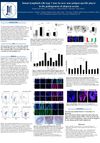
Innate lymphoid cells type 1 may contribute to alopecia areata by damaging hair follicles.
60 citations
,
December 1988 in “Journal of Biochemical Toxicology” TCDD reduces EGF receptors in the liver, affecting growth and development.