 11 citations
,
July 1999 in “Plastic and Reconstructive Surgery”
11 citations
,
July 1999 in “Plastic and Reconstructive Surgery” Surgical treatment for cubital tunnel syndrome can be effective using clinical tests without electrodiagnostics.
7 citations
,
May 2008 in “Journal of Veterinary Internal Medicine” A cat had a rare severe reaction to fenbendazole, but recovered with treatment.
 1 citations
,
June 2020 in “Dermatologic Therapy”
1 citations
,
June 2020 in “Dermatologic Therapy” COVID-19 can cause various skin issues, including rashes and 'COVID toes', and may worsen autoimmune diseases or affect men with baldness more severely.
 1 citations
,
September 2018 in “Australasian Journal of Dermatology”
1 citations
,
September 2018 in “Australasian Journal of Dermatology” A boy with GAPO syndrome had hair loss similar to male pattern baldness without hormone issues, possibly due to skin or blood vessel problems.
 June 2017 in “Experimental dermatology”
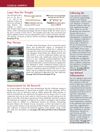
 Skin has a larger surface area than thought, certain skin cells improve skin flap survival, better trials for skin conditions in children are needed, Stevens-Johnson syndrome rates vary by age and race, and better skin barrier function may reduce inflammation in the elderly.
September 2014 in “Genes and Cells” Genetically modified umbilical cord blood cells improved skin wound healing in rats.
 September 2013 in “Science”
 The document concludes that human astrocytes aid stroke recovery, research confidence affects student career aspirations, collagen affects cancer spread, a microRNA suppresses brain cancer growth, calmodulin regulates water channels, and small magnesium pieces deform differently.
 September 2013 in “Science”
 Certain astrocytes can protect the brain and improve recovery after a stroke, and a hair loss drug might reduce cancer spread.
 September 2013 in “Science”
 Special astroglia cells improved stroke recovery in rats, a hair growth drug reduced cancer spread, and tiny magnesium structures were more easily shaped.
 September 2013 in “Science”
 Special astrocytes improved learning and memory in rats after a stroke.
 September 2013 in “Science”
 Transplanted human Olig2+ astroglia may help improve learning and memory after a stroke.
 21 citations
,
June 2022 in “Molecules”
21 citations
,
June 2022 in “Molecules” Perilla frutescens, an East Asian plant, contains 400 bioactive compounds that have various health benefits, including anti-inflammatory, antidepressant, and anticancer effects, and can treat conditions like diabetes, skin allergies, and neurological disorders.
 4 citations
,
June 2013 in “The Journal of Rheumatology”
4 citations
,
June 2013 in “The Journal of Rheumatology” The document concludes that various findings in rheumatology offer insights into disease severity, treatment responses, and potential risks in medication, with some limitations due to unspecified participant numbers.
 January 2009 in “Side effects of drugs annual”
 Some blood-thinning medications can increase the risk of bleeding, and certain factors like genetics and other health conditions affect their safety and effectiveness.
 165 citations
,
February 2014 in “Phytotherapy Research”
165 citations
,
February 2014 in “Phytotherapy Research” Myrtle has various health benefits and potential for medicine development.
2 citations
,
April 2025 in “Cells” Heat preconditioning does not improve nanofat's ability to form blood vessels.
Ion sequential therapy improves heart function after a heart attack.
Hypoxic preconditioning helps human hair follicle stem cells survive oxidative stress.
The EMG-to-force model accurately predicts hip muscle forces during walking.
19 citations
,
January 2011 in “Frontiers in Endocrinology” Social isolation makes mice more sensitive to alcohol's effects on brain function.
 4 citations
,
January 2025 in “Translational Psychiatry”
4 citations
,
January 2025 in “Translational Psychiatry” Remote photobiomodulation improves brain injury outcomes and behavior in rats.
3 citations
,
March 2025 in “Arthritis Research & Therapy” Combining fat grafts with botulinum toxin helps improve Raynaud's symptoms.
Microneedling improves the appearance and feel of post-burn scars.
1 citations
,
November 2021 in “IntechOpen eBooks” Red light therapy may help prevent memory loss as we age.
3 citations
,
September 2024 in “Brain and Behavior” ASA and CM may protect the brain and work better together.
May 2026 in “World Journal of Stem Cells” Low oxygen conditions improve the healing ability of older stem cells from fat tissue.
 March 2025 in “Pain Physician”
 Cooling the skin before injections reduces pain for patients with hair loss.
 August 1995 in “Journal of The European Academy of Dermatology and Venereology”
 New therapy helps treat hair loss.
 August 1995 in “Journal of The European Academy of Dermatology and Venereology”
 New therapy helps treat hair loss.
 1 citations
,
August 2021 in “Movement disorders clinical practice”
1 citations
,
August 2021 in “Movement disorders clinical practice” A man with Isaac's syndrome affecting only one side of his body improved after immune system-targeted treatment.