November 2025 in “SKIN The Journal of Cutaneous Medicine” Ritlecitinib 50 mg effectively promotes and sustains hair regrowth in alopecia areata patients.
 40 citations
,
August 2022 in “Frontiers in immunology”
40 citations
,
August 2022 in “Frontiers in immunology” Blocking JAK/STAT pathways can help treat hair loss from alopecia areata.
September 2023 in “Journal of the American Academy of Dermatology” 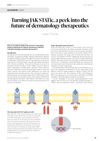 August 2024 in “New Zealand Medical Student Journal”
 JAK inhibitors show promise for treating skin diseases effectively and safely.
1 citations
,
August 2024 in “British Journal of Dermatology” Ritlecitinib effectively promotes hair regrowth in alopecia areata patients, even with extensive hair loss.
 November 2023 in “Annales de dermatologie et de vénéréologie, FMC”
 Baricitinib effectively treats severe alopecia for up to 104 weeks.
20 citations
,
May 2007 in “JDDG Journal der Deutschen Dermatologischen Gesellschaft” Etanercept effectively treated a severe skin condition when other treatments failed.
 December 2022 in “Revista Medicina Cutánea Ibero-Latino-Americana”
 JAK inhibitors help treat alopecia areata but have high recurrence after stopping.
13 citations
,
February 2025 in “Journal of the European Academy of Dermatology and Venereology” Ritlecitinib shows promise for treating alopecia areata, especially with early and extended treatment.

Olumiant® (Baricitinib) is effective for treating hair loss from Alopecia Areata.
 16 citations
,
March 2013 in “JAMA Dermatology”
16 citations
,
March 2013 in “JAMA Dermatology” A cancer drug called nilotinib might cause hair loss due to inflammation around hair follicles.
2 citations
,
October 2025 in “Frontiers in Medicine” Deuruxolitinib effectively improves hair regrowth in alopecia areata but requires monitoring for side effects.
 116 citations
,
February 2017 in “Journal of the American Academy of Dermatology”
116 citations
,
February 2017 in “Journal of the American Academy of Dermatology” JAK inhibitors help with skin conditions but need more research on dosing and safety.
173 citations
,
July 2012 in “British Journal of Dermatology” Dabrafenib can cause skin growths and sometimes low-grade skin cancer.
 1 citations
,
April 2012 in “Informa Healthcare eBooks”
1 citations
,
April 2012 in “Informa Healthcare eBooks” Some medications for inflammation can cause a condition with scalp rashes and hair loss, often linked to Crohn's disease, and may require treatment changes to prevent permanent hair loss.
 March 2026 in “American Journal of Clinical Dermatology”
 Ritlecitinib is effective and safe for long-term use in treating severe alopecia areata in people aged 12 and older.
 32 citations
,
December 2018 in “Cytokine”
32 citations
,
December 2018 in “Cytokine” Type I interferons play a key role in the development of various skin diseases.
 3 citations
,
June 2025 in “Archives of Dermatological Research”
3 citations
,
June 2025 in “Archives of Dermatological Research” Biologics and JAK inhibitors may improve treatment for scarring alopecias.
 June 2026 in “Journal of Biological Engineering”
 Stem cell therapies are advancing quickly with new technologies and need supportive regulations for clinical use.
 2 citations
,
December 2020 in “American Journal of Dermatological Research and Reviews”
2 citations
,
December 2020 in “American Journal of Dermatological Research and Reviews” The combination therapy was effective and well-tolerated, especially in young patients.
 2 citations
,
August 2025 in “Scientific Reports”
2 citations
,
August 2025 in “Scientific Reports” Pexidartinib often causes liver issues and fatigue, especially in women.
November 2024 in “Skin Appendage Disorders” Clinicians should consider individual factors and communicate risks and benefits when prescribing ritlecitinib for adolescent alopecia areata.
8 citations
,
August 2018 in “BMJ Case Reports” Pazopanib treatment caused rapid hair color loss, possibly indicating its effectiveness.

New cancer drugs can cause skin side effects like rashes, dry skin, hair changes, and nail problems.
May 1961 in “Tumori Journal” Vitamin A treatment reduced abnormal cell growth and improved skin conditions in rats with tumors.
1 citations
,
April 2020 in “Journal of the Endocrine Society” Immunotherapy with pembrolizumab significantly reduced cancer in a young woman with adrenocortical carcinoma.
9 citations
,
January 2024 in “International Journal of Dermatology”  June 2025 in “Patient Preference and Adherence”
 Chinese patients with alopecia areata value JAK inhibitors but worry about side effects and relapse, highlighting the need for education and support.
July 2024 in “Journal of Investigative Dermatology” INTASYL is a promising, adaptable RNAi technology for treating skin cancers.
November 2025 in “The Journal of Immunology” A humanized IL-2 fusion protein boosts T regulatory cells and helps control hair loss in Alopecia Areata.