65 citations
,
February 2011 in “Molecular cancer therapeutics” CCT128930 is a promising new drug that effectively targets and inhibits a cancer-related protein, showing potential for cancer treatment.
62 citations
,
December 1941 in “Experimental biology and medicine” Eating phenylthiocarbamide made all the rats' hair go gray, but some returned to their original color after stopping.
 January 2017 in “Nasza Dermatologia Online”
 Both treatments helped hair regrowth in alopecia areata, with isopropanol being better tolerated.
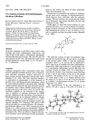 December 1998 in “Acta Crystallographica Section C-crystal Structure Communications”
 A new compound with strong antiandrogenic effects was found, potentially useful for treating conditions like acne and prostate cancer.
 3 citations
,
July 2017 in “Journal of Molecular Graphics & Modelling”
3 citations
,
July 2017 in “Journal of Molecular Graphics & Modelling” The study found that baicalin has different stable shapes in gas and water, with two shapes better for interacting with positive charges in water.
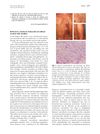 7 citations
,
June 2010 in “Journal of The American Academy of Dermatology”
7 citations
,
June 2010 in “Journal of The American Academy of Dermatology” Tranilast successfully treated a man's skin sarcoidosis when other treatments failed.
 7 citations
,
April 2006 in “Experimental Neurology”
7 citations
,
April 2006 in “Experimental Neurology” Finasteride blocks deoxycorticosterone's anticonvulsant effects in infant rats, but indomethacin doesn't.
July 2026 in “Journal of the American Academy of Dermatology” January 2016 in “Huanjing yu Jiankang Zazhi” 14 citations
,
February 1991 in “FEBS Letters” Introducing the rat OTC gene partially corrected OTC deficiency in mice.
7 citations
,
November 2023 in “JAAD Case Reports” Baricitinib helped regrow hair in patients with severe alopecia areata after other treatments failed.
 March 2026 in “Clinical Cosmetic and Investigational Dermatology”
 Upadacitinib improved multiple immune-related conditions in one patient.
 June 2024 in “Indian Dermatology Online Journal”
 Topical tofacitinib is effective and safe for treating alopecia areata.
14 citations
,
July 2017 in “Fitoterapia” Oleanolic acid promotes hair growth by increasing cell proliferation through the Wnt/β-catenin pathway.
 1 citations
,
May 2017 in “Journal of the American Academy of Dermatology”
1 citations
,
May 2017 in “Journal of the American Academy of Dermatology” Oral tofacitinib may be an effective and tolerable treatment for some people with severe alopecia areata.
7 citations
,
April 1996 in “Archives of dermatological research” Topical tacalcitol can treat psoriasis by acting directly on skin cells.
September 2015 in “Journal watch” Triamcinolone acetonide injections help regrow hair in alopecia areata patients.
32 citations
,
December 1965 in “The Lancet” Argininosuccinic aciduria can cause hair loss.
 April 2022 in “Molecules”
 Teak leaf extract contains compounds that could help treat hair loss.
8 citations
,
August 2023 in “Lasers in Surgery and Medicine” Concurrent laser and isotretinoin treatment improves acne scars more than delayed treatment.
4 citations
,
September 2025 in “Journal of the American Academy of Dermatology” 2 citations
,
July 2025 in “Analytical Chemistry” The method effectively images and correlates elements and metabolites in tissue samples at a micron scale.
January 2010 in “Laboratory animal science” The capsules effectively reduced micro-acne in rabbit ears.
1 citations
,
August 2021 in “Journal of Investigative Dermatology” ASLAN004 was safe and well-tolerated, supporting further development for treating certain diseases.
 April 2020 in “Trends in Immunotherapy”
 Combining triamcinolone acetonide and immunotherapy can help regrow hair in some alopecia totalis patients.
 6 citations
,
November 2004 in “Bioorganic & Medicinal Chemistry Letters”
6 citations
,
November 2004 in “Bioorganic & Medicinal Chemistry Letters” Scientists created iodinated arylhydantoins and arylthiohydantoins that could potentially be used for imaging prostate cancer. Some versions with specific side-chains showed high potential for this use.
6 citations
,
October 2016 in “Pediatric Dermatology” A 6-year-old girl had a rare allergic reaction to a hair regrowth treatment.
7 citations
,
October 2018 in “South African journal of botany” Clausena anisata may be effective in treating acne due to its ability to fight bacteria, reduce inflammation, and possibly lower sebum production.
5 citations
,
March 2024 in “World Allergy Organization Journal” Eight blood metabolites are linked to causing allergic conjunctivitis, offering new ways to predict and treat it.

The research created new azasteroids and pseudoazulenyl nitrones, which could be useful in medicine.