 March 2024 in “EMBO molecular medicine”
 Antiviral drugs, especially daclatasvir, may be a new treatment for a rare skin disease, improving survival and reducing symptoms in mice.
43 citations
,
November 2009 in “Archives of dermatology” Alefacept does not effectively treat severe alopecia areata.
 39 citations
,
April 2016 in “Case Reports in Dermatology”
39 citations
,
April 2016 in “Case Reports in Dermatology” Tofacitinib temporarily regrew hair in a man with alopecia, but its effects didn't last.
September 2015 in “Photodiagnosis and Photodynamic Therapy”  17 citations
,
January 2011 in “The Korean Journal of Hepatology”
17 citations
,
January 2011 in “The Korean Journal of Hepatology” Vogt-Koyanagi-Harada disease can develop during interferon therapy for chronic hepatitis C.
 November 2025 in “Turkish Journal of Dermatology”
 Both baricitinib and tofacitinib effectively reduce alopecia areata severity, with tofacitinib showing more improvement over longer use.
 September 2024 in “BMJ Case Reports”
 An adult had a rare scalp infection in the forehead area, treated successfully with itraconazole.
 May 2023 in “Journal of contemporary medicine”
 Using Favipiravir, a COVID-19 treatment drug, likely doesn't cause hair loss.
83 citations
,
June 2017 in “Journal of the American Academy of Dermatology” Topical JAK inhibitors may help children with alopecia areata regrow hair.
December 2020 in “American Journal of Transplantation” Early recognition and treatment of VATS in transplant patients improve outcomes.
 44 citations
,
October 2017 in “Journal of the American Academy of Dermatology”
44 citations
,
October 2017 in “Journal of the American Academy of Dermatology” Tofacitinib is effective and safe for treating severe hair loss in Korean patients.
 9 citations
,
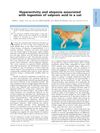
May 2001 in “Journal of the American Veterinary Medical Association”
9 citations
,
May 2001 in “Journal of the American Veterinary Medical Association” A cat's hyperactivity and hair loss were caused by eating valproic acid but improved after stopping access to the drug.
40 citations
,
August 2005 in “JEADV. Journal of the European Academy of Dermatology and Venereology/Journal of the European Academy of Dermatology and Venereology” Acitretin moderately improved skin and eye issues but not hair loss or light sensitivity in a 3-year-old with IFAP syndrome.
2 citations
,
May 2025 in “Journal of Clinical Medicine” Upadacitinib is safe and effective for treating alopecia areata and atopic dermatitis in children.
 December 2022 in “Pakistan Journal of Medical and Health Sciences”
 Tofacitinib effectively treats Alopecia Areata.
 December 2025 in “Scientific Reports”
 Valproic acid helps hair follicle stem cells survive better in low oxygen and glucose conditions.
 June 2024 in “Australasian Journal of Dermatology”
 Tofacitinib is safe and effective for treating moderate-to-severe alopecia areata.
12 citations
,
January 2016 in “Journal of clinical biochemistry and nutrition” Deferasirox combined with sorafenib reduces liver cancer risk and lessens treatment side effects.
2 citations
,
October 2025 in “Antimicrobial Agents and Chemotherapy” Cepharanthine can block enterovirus entry and protect against infection.
 1 citations
,
August 2021 in “Journal of The American Academy of Dermatology”
1 citations
,
August 2021 in “Journal of The American Academy of Dermatology” Baricitinib was effective in treating both early and late onset alopecia areata.
 157 citations
,
December 2015 in “Journal of the American Academy of Dermatology”
157 citations
,
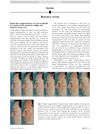
December 2015 in “Journal of the American Academy of Dermatology” A man with vitiligo and alopecia saw quick skin and hair improvement with ruxolitinib, but skin color gains were lost after stopping treatment.
 September 2021 in “Revista Interdisciplinar em Saúde”
 Oral isotretinoína effectively stabilizes frontal fibrosing alopecia.
1 citations
,
April 2002 in “PubMed” Anti-epileptic drugs may cause visual and hair side effects due to enzyme inhibition, especially in genetically predisposed individuals.
 9 citations
,
October 2021 in “International Journal of Dermatology”
9 citations
,
October 2021 in “International Journal of Dermatology” Tofacitinib is effective and safe for treating severe hair loss in a Saudi population.
1 citations
,
November 2005 in “PubMed” Itraconazole effectively treats scalp fungus, with continuous use more effective than pulse therapy.
4 citations
,
April 2024 in “Journal of Drugs in Dermatology” Ruxolitinib cream may help treat severe hair loss in children.
 11 citations
,
February 2021 in “Journal of Cosmetic Dermatology”
11 citations
,
February 2021 in “Journal of Cosmetic Dermatology” Oral tofacitinib helped regrow hair in over half of the patients with severe alopecia, but relapses and side effects were common.
March 2017 in “Current dermatology reports” Topical JAK inhibitors can effectively treat alopecia areata and vitiligo by modulating immune responses.
 3 citations
,
June 2023 in “Journal of cosmetic dermatology”
3 citations
,
June 2023 in “Journal of cosmetic dermatology” A new drug, abrocitinib, helped a child with severe hair loss regrow hair.