 238 citations
,
November 2016 in “Journal of The American Academy of Dermatology”
238 citations
,
November 2016 in “Journal of The American Academy of Dermatology” Tofacitinib is effective and safe for severe hair loss, but full regrowth is less likely after 10 years of hair loss.
 23 citations
,
September 2017 in “Journal of the American Academy of Dermatology”
23 citations
,
September 2017 in “Journal of the American Academy of Dermatology” Apremilast did not work for treating severe alopecia areata.
 9 citations
,
August 2018 in “JAAD Case Reports”
9 citations
,
August 2018 in “JAAD Case Reports” Tofacitinib can temporarily improve hair growth in alopecia universalis, but its effectiveness may decrease over time.
277 citations
,
December 2019 in “Frontiers in Immunology” JAK inhibitors show promise for treating skin disorders like alopecia, eczema, and psoriasis.
 January 2024 in “Revista de la Asociación Colombiana de Dermatología y Cirugía Dermatológica/Revista de la Asociacion Colombiana de Dermatologia y Cirugia Dermatologica”
 Baricitinib successfully treated severe hair loss.
63 citations
,
July 2018 in “The journal of investigative dermatology/Journal of investigative dermatology” JAK inhibitors can effectively reverse hair loss in people with alopecia areata.
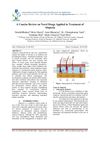
New therapies like JAK inhibitors, PRP, and stem cell treatments show promise for better alopecia management.
 1 citations
,
June 2018 in “International Journal of Dermatology”
1 citations
,
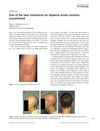
June 2018 in “International Journal of Dermatology” DNCB is highly effective for treating alopecia areata with minimal long-term side effects.
 16 citations
,
July 2017 in “Rheumatology and Therapy”
16 citations
,
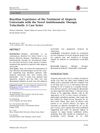
July 2017 in “Rheumatology and Therapy” Tofacitinib, a medication for arthritis, showed potential for treating severe hair loss in a small Brazilian case series, but more research is needed.
 2 citations
,
November 2014 in “The journal of investigative dermatology/Journal of investigative dermatology”
2 citations
,
November 2014 in “The journal of investigative dermatology/Journal of investigative dermatology” Oral tofacitinib can treat both psoriasis and alopecia universalis by normalizing inflammatory pathways.
 February 2016 in “The journal of investigative dermatology/Journal of investigative dermatology”
 JAK inhibitors may help treat alopecia areata by reversing hair loss.
 16 citations
,
January 2017 in “Acta dermatovenerologica Alpina, Pannonica et Adriatica (Tiskana izd.)”
16 citations
,
January 2017 in “Acta dermatovenerologica Alpina, Pannonica et Adriatica (Tiskana izd.)” A patient with complete hair loss regrew all her hair using tofacitinib.
 99 citations
,
July 2017 in “Clinical Reviews in Allergy & Immunology”
99 citations
,
July 2017 in “Clinical Reviews in Allergy & Immunology” New treatments for Alopecia Areata show promise but need to be more effective and affordable.
 2 citations
,
April 2024 in “Dermatology Practical & Conceptual”
2 citations
,
April 2024 in “Dermatology Practical & Conceptual” Tofacitinib and baricitinib are effective and safe for treating severe alopecia areata, especially in younger people.
 1 citations
,
October 2025 in “Cureus”
1 citations
,
October 2025 in “Cureus” Ritlecitinib may cause severe musculoskeletal pain in some alopecia universalis patients.
 56 citations
,
January 2021 in “Clinical and Experimental Medicine”
56 citations
,
January 2021 in “Clinical and Experimental Medicine” The document concludes that while there are various treatments for Alopecia Areata, there is no cure, and individualized treatment plans are essential due to varying effectiveness.
 49 citations
,
March 2017 in “Journal of the American Academy of Dermatology”
49 citations
,
March 2017 in “Journal of the American Academy of Dermatology” Tofacitinib caused significant hair regrowth in adolescents with alopecia universalis who didn't respond to other treatments.
 26 citations
,
June 2019 in “The journal of investigative dermatology/Journal of investigative dermatology”
26 citations
,
June 2019 in “The journal of investigative dermatology/Journal of investigative dermatology” Regenerative therapies show promise for treating vitiligo and alopecia areata.
 1 citations
,
April 2018 in “Journal of Investigative Dermatology”
1 citations
,
April 2018 in “Journal of Investigative Dermatology” Fzd2 is important for skin and hair development through various signaling ways.
 April 2024 in “Frontiers in physiology”
 Immune cells are crucial for hair growth and preventing hair loss.
 2 citations
,
June 2018 in “Journal of the American Academy of Dermatology”
2 citations
,
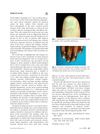
June 2018 in “Journal of the American Academy of Dermatology” Alopecia areata causes varying hair loss and nail changes, and treatments include topical, systemic, and injectable therapies.
11 citations
,
September 2024 in “American Journal of Clinical Dermatology” Switching JAK inhibitors or using dupilumab may help some alopecia areata patients who don't respond well to initial treatments.
7 citations
,
May 2025 in “Journal of Biomedical Science” Keratin 6A increases skin inflammation, suggesting it could be a target for treating certain skin diseases.
 6 citations
,
June 2016 in “Experimental Dermatology”
6 citations
,
June 2016 in “Experimental Dermatology” Frontal Fibrosing Alopecia is a poorly understood condition that is hard to treat and causes distressing hair loss.
 5 citations
,
January 2021 in “Inflammatory Bowel Diseases”
5 citations
,
January 2021 in “Inflammatory Bowel Diseases” Tofacitinib improved ulcerative colitis, skin ulcers, and hair loss in a patient who didn't respond well to other treatments.
June 2024 in “Military Medicine” Access to JAK inhibitors for alopecia areata should be improved in the Military Healthcare System.
 July 2023 in “The Egyptian Journal of Hospital Medicine ”
 Alopecia areata is a hair loss condition caused by immune factors and can be treated with JAK inhibitors.
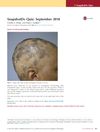 August 2018 in “Journal of Investigative Dermatology”
 Tofacitinib may help regrow hair in alopecia areata patients.
October 2021 in “International Journal of Dermatology” JAK inhibitors do not improve hair regrowth in androgenic alopecia but may prevent further hair loss.
 9 citations
,
May 2023 in “Inflammation Research”
9 citations
,
May 2023 in “Inflammation Research” New small molecule drugs show promise in treating complex skin diseases but need more safety research.