Baricitinib may effectively treat oral lichen planus.
 November 2023 in “The journal of investigative dermatology/Journal of investigative dermatology”
 Cancer treatment drugs can cause permanent hair loss by damaging hair follicle stem cells, but a specific inhibitor might reverse this effect.
 October 2023 in “bioRxiv (Cold Spring Harbor Laboratory)”
 A protein called EGFR protects hair follicle stem cells, and when it's disrupted, hair follicles can be damaged, but blocking certain pathways can restore hair growth.
Deuruxolitinib effectively promotes hair regrowth in alopecia areata.
 July 2022 in “The journal of investigative dermatology/Journal of investigative dermatology”
 Particulate matter causes inflammation in hair cells, potentially harming hair growth.
May 2025 in “OPAL (Open@LaTrobe) (La Trobe University)” Linoleic acid and magnesium are key in alopecia areata progression, and tofacitinib can help by affecting their pathway.
November 2024 in “Journal of Investigative Dermatology” Blocking the JAK/STAT pathway may help reduce skin sensitivity in Xeroderma pigmentosum.
August 2024 in “British Journal of Dermatology” Rezpegaldesleukin shows promise for treating severe alopecia areata.
 November 2023 in “The journal of investigative dermatology/Journal of investigative dermatology”
 The study developed a mouse model for Alopecia Areata that responds to treatment, useful for future research.
 4 citations
,
April 2020 in “JAAD case reports”
4 citations
,
April 2020 in “JAAD case reports” JAK inhibitors help hair regrowth but not fully effective for androgenetic alopecia.
November 2025 in “British Journal of Dermatology” The guideline recommends personalized treatment for alopecia areata, including new oral medications and psychological support.
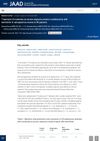 January 2023 in “Journal of The American Academy of Dermatology”
 Baricitinib helped most teenagers with severe hair loss regrow hair and had mild side effects.
91 citations
,
May 2023 in “Journal of Cutaneous Medicine and Surgery” Alopecia Areata affects 2% globally, with treatments like essential oils, garlic, and JAK inhibitors showing promise, but more research is needed.
2 citations
,
November 2025 in “Journal of the American Academy of Dermatology” Deuruxolitinib effectively regrows hair in adults with alopecia areata and is well tolerated.
August 2025 in “American Journal of Dermatopathology” Accurate diagnosis and personalized treatment are crucial in dermatopathology.
May 2025 in “International Journal of Women’s Dermatology” 5-alpha reductase inhibitors and spironolactone don't increase gynecological tumor risk, glucagon-like-peptide-1 receptor agonists may increase alopecia risk, sanitary pads can cause dermatitis, early hidradenitis suppurativa intervention is crucial for Hispanic patients, community education boosts skin cancer awareness, metformin may improve skin cancer survival, LNG-IUDs can increase acne risk, machine learning accurately detects basal cell carcinoma, JAK-inhibitors may raise miscarriage risk, inclusive skincare ads affect those with darker skin, and CCCA in Black women might involve autoimmunity.
March 2022 in “Journal of Investigative Dermatology” Discoid Lupus Erythematosus causes scalp plaques that can lead to hair loss, and antimalarial drugs are effective treatments.
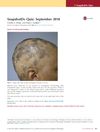 August 2018 in “Journal of Investigative Dermatology”
 Tofacitinib may help regrow hair in alopecia areata patients.
 April 2017 in “Australasian Journal of Dermatology”
 The session covered updates on skin treatments, including radiotherapy, imiquimod, acitretin, JAK inhibitors, and strategies for managing rosacea and preventing surgical infections.
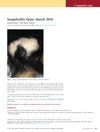 February 2016 in “The journal of investigative dermatology/Journal of investigative dermatology”
 JAK inhibitors may help treat alopecia areata by reversing hair loss.
 May 2011 in “Value in Health”
 CP-690,550 significantly reduced itching in patients with moderate-to-severe plaque psoriasis.
 1 citations
,
January 2023 in “Przegląd Dermatologiczny”
1 citations
,
January 2023 in “Przegląd Dermatologiczny” The Polish Society of Dermatology recommends treatments for alopecia areata that vary by severity, including topical and systemic medications, with long-term maintenance important for management.
 2 citations
,
July 2023 in “JAAD Case Reports”
2 citations
,
July 2023 in “JAAD Case Reports” A woman with a type of hair loss saw hair regrowth after two months of taking baricitinib.
5 citations
,
July 2025 in “Scientific Reports” Alopecia areata affects women and young adults most, with low SDI regions seeing the highest increase, and new treatments like JAK inhibitors are being explored.
 1 citations
,
September 2022 in “Journal of The American Academy of Dermatology”
1 citations
,
September 2022 in “Journal of The American Academy of Dermatology” Baricitinib helps grow eyebrows and eyelashes in severe alopecia areata patients.
 December 2025 in “International Journal of Innovative Technologies in Social Science”
 Oral JAK inhibitors effectively treat alopecia areata and are generally well-tolerated.
Frontal fibrosing alopecia can be managed with personalized combination therapies, but no cure exists yet.
May 2026 in “JDDG Journal der Deutschen Dermatologischen Gesellschaft” Use topical corticosteroids for alopecia areata, consider systemic treatments like corticosteroids or JAK inhibitors for severe cases, and inform about cosmetic options.
 157 citations
,
December 2015 in “Journal of the American Academy of Dermatology”
157 citations
,
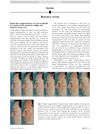
December 2015 in “Journal of the American Academy of Dermatology” A man with vitiligo and alopecia saw quick skin and hair improvement with ruxolitinib, but skin color gains were lost after stopping treatment.
8 citations
,
January 2023 in “Indian Dermatology Online Journal” Baricitinib effectively treats certain skin conditions but may have serious side effects.