November 2025 in “Journal of Investigative Dermatology” Combining MMP-9 and JAK inhibitors can effectively prevent skin depigmentation in vitiligo.
JAK inhibitors effectively regrow hair in alopecia areata but hair loss often returns after stopping treatment.
 4 citations
,
November 2023 in “Frontiers in immunology”
4 citations
,
November 2023 in “Frontiers in immunology” New treatments targeting T-cell pathways are needed for better alopecia areata management.
 November 2023 in “The journal of investigative dermatology/Journal of investigative dermatology”
 Cancer treatment drugs can cause permanent hair loss by damaging hair follicle stem cells, but a specific inhibitor might reverse this effect.
 3 citations
,
February 2022 in “Rheumatology”
3 citations
,
February 2022 in “Rheumatology” Baricitinib was effective in treating a patient with dermatomyositis and hair loss.
 32 citations
,
April 2016 in “Journal of Investigative Dermatology”
32 citations
,
April 2016 in “Journal of Investigative Dermatology” STAT5 activation is crucial for starting the hair growth phase.
24 citations
,
July 2021 in “Pharmaceutics” Ruxolitinib cream effectively targets and treats inflammatory skin diseases.
 37 citations
,
October 2017 in “Clinical and Experimental Dermatology”
37 citations
,
October 2017 in “Clinical and Experimental Dermatology” Oral tofacitinib shows promise in treating atopic dermatitis and alopecia areata, but only slight improvement in vitiligo.
November 2025 in “Biomedicines” JAK1 inhibitors can help reduce itchiness in atopic dermatitis.
 October 2023 in “International journal of rheumatic diseases”
 New treatments targeting the JAK signaling pathway, especially JAK inhibitors, show promise for alopecia areata.
 January 2025 in “Biomedicines”
 High testosterone levels can harm fertility by disrupting the LIF signaling pathway in the uterus.
 June 2026 in “Eurasian Journal of Medicine”
 Baricitinib effectively regrew hair in a woman with alopecia universalis after other treatments failed.
8 citations
,
November 2024 in “EMBO Molecular Medicine” Targeting JAK-STAT1 can reduce inflammation and promote hair growth in conditions linked to EGFR deficiency.
 October 2023 in “bioRxiv (Cold Spring Harbor Laboratory)”
 A protein called EGFR protects hair follicle stem cells, and when it's disrupted, hair follicles can be damaged, but blocking certain pathways can restore hair growth.
4 citations
,
October 2024 in “International Journal of Molecular Sciences” Naringin may help treat atopic dermatitis by reducing inflammation and improving the skin barrier.
 40 citations
,
December 2016 in “Journal of Dermatological Treatment”
40 citations
,
December 2016 in “Journal of Dermatological Treatment” JAK inhibitors show promise for treating skin and hair disorders but need more research on long-term safety and effectiveness.
6 citations
,
October 2024 in “Journal of Family Medicine and Primary Care” Primary care doctors need to monitor JAK and TYK-2 inhibitors carefully for skin conditions.
 4 citations
,
April 2020 in “JAAD case reports”
4 citations
,
April 2020 in “JAAD case reports” JAK inhibitors help hair regrowth but not fully effective for androgenetic alopecia.
 32 citations
,
April 2019 in “JAAD case reports”
32 citations
,
April 2019 in “JAAD case reports” JAK inhibitors helped treat hair loss in two people with Down syndrome.
 October 2025 in “Records of Natural Products”
 Kaempferol promotes hair growth and could be a natural treatment for hair loss.

New hair regrowth therapies show promise but need more research.
42 citations
,
April 2021 in “JCI insight” Blocking JAK3 signaling can reverse hair loss from alopecia areata.
 25 citations
,
October 2019 in “JAAD Case Reports”
25 citations
,
October 2019 in “JAAD Case Reports” Baricitinib helped a woman with severe hair loss regrow almost all her hair without side effects.
 July 2022 in “The journal of investigative dermatology/Journal of investigative dermatology”
 Particulate matter causes inflammation in hair cells, potentially harming hair growth.
 42 citations
,
April 2021 in “Journal of clinical pharmacology”
42 citations
,
April 2021 in “Journal of clinical pharmacology” Baricitinib helps treat several diseases, including COVID-19, but has side effects and needs careful monitoring.
 14 citations
,
March 2022 in “Journal of inflammation research”
14 citations
,
March 2022 in “Journal of inflammation research” Baricitinib shows promise as a new treatment for certain skin conditions like alopecia areata.
1 citations
,
October 2025 in “Journal of Allergy and Clinical Immunology” A JAK1 variant causes hair loss, skin issues, and thyroid disease, but treatment with a specific inhibitor can help.
 June 2026 in “Frontiers in Immunology”
 Upadacitinib effectively treated severe atopic dermatitis, vitiligo, and alopecia areata in one patient.
 157 citations
,
December 2015 in “Journal of the American Academy of Dermatology”
157 citations
,
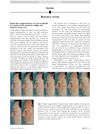
December 2015 in “Journal of the American Academy of Dermatology” A man with vitiligo and alopecia saw quick skin and hair improvement with ruxolitinib, but skin color gains were lost after stopping treatment.
 4 citations
,
December 2024 in “Clinical Cosmetic and Investigational Dermatology”
4 citations
,
December 2024 in “Clinical Cosmetic and Investigational Dermatology” Combining baricitinib with UV-B therapy effectively treats non-segmental vitiligo and is well-tolerated.