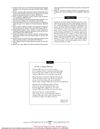
 December 2002 in “Archives of Dermatology”
 The poem ends by asking for case reports on serious health issues like Telogen Effluvium.

The book details advanced techniques in cosmetic dermatology for experienced surgeons.

Abortion access should be defended on public health grounds, and medical evaluations are crucial in psychiatric cases to avoid misdiagnosis.

Both books are valuable resources in their fields.

The document reviewed various health-related books, focusing on abortion debates, medical conditions, and effective health communication.
 November 1997 in “Archives of Dermatology”
 The book provides basic insights into hair transplant surgery but is not detailed enough to be a complete guide for surgeons.
 June 1995 in “Archives of Dermatology”
 A woman's hair loss was due to trichotillomania, which is often misdiagnosed and can require different treatments based on age and underlying conditions.
Eating less calories, focusing on complex carbs, and reducing fats can help manage type II diabetes.

The book is a detailed guide on hair growth issues and treatments, recommended for specialists and hospital libraries.
World War II led to major advancements in American military medicine.
July 1994 in “Archives of Dermatology” The book provides a thorough guide on hair and scalp diseases, covering causes, types, and evaluation methods.
 February 1994 in “Archives of Dermatology”
 Telogen effluvium is a condition that causes temporary hair loss.
 March 1991 in “Archives of Dermatology”
 Classified ads in the Archives of Dermatology offer job listings and opportunities for dermatologists.
 February 1991 in “Archives of Dermatology”
 The document lists dermatology job ads across the U.S. with good pay and benefits.

The document listed various medical job opportunities with competitive benefits and living conditions.
The document listed medical job ads and guidelines for breast cancer screening.
Eye drops with β-blockers may cause hair loss.
April 1989 in “Archives of Dermatology” Pharmaceutical ads for Rogaine and Accutane may be misleading and not financially sensible.
April 1989 in “Archives of Dermatology” Minoxidil effectively treats male pattern baldness.
Amphetamine use may not cause hair loss, "geezer" traits are normal aging, not all educated older people are stereotypes, and metronidazole can rarely cause lung disease.
Amphetamines may not directly cause hair loss.
July 1988 in “Archives of Dermatology” Understanding androgen metabolism and thorough medical history are crucial for assessing and treating hair disorders.

The dermatology book is useful but has some organizational issues.
January 1983 in “Archives of Dermatology” Penicillium might rarely cause scalp infection in children.
May 1979 in “Archives of Dermatology” Alopecia can be linked to autoimmune issues, vitiligo, nail problems, and sometimes cancer treatments.
December 1977 in “Archives of Dermatology” Hair regrowth in alopecia areata is common, but recurrences happen frequently.
 February 1977 in “Archives of Dermatology”
 Topical mitotic blocking agents like colchicine can be dangerous and potentially fatal, and hair loss from rapid weight loss is due to low protein, not the speed of weight loss.

Eating more protein during weight loss can prevent hair loss caused by not having enough protein.
 July 1976 in “Archives of Dermatology”
 Some people may naturally have beaded lines on their skin that are more visible with certain treatments, and hair loss similar to post-pregnancy can occur after specific diet and therapy.
 July 1976 in “Archives of Dermatology”
 The document suggests more research is needed to understand skin conditions related to toothpaste and other treatments.