23 citations
,
October 2024 in “British Journal of Dermatology” Ritlecitinib effectively treats alopecia areata and is safe for long-term use in people 12 and older.
April 2020 in “The FASEB journal” Poncirin is a promising inhibitor of Janus Kinase 3, potentially better than tofacitinib.
63 citations
,
July 2024 in “Journal of the American Academy of Dermatology” Deuruxolitinib effectively promotes hair regrowth in adults with alopecia areata.
 September 2019 in “Journal of Investigative Dermatology”
 Abrocitinib at 100 mg and 200 mg daily may significantly improve moderate-to-severe atopic dermatitis in patients 12 years and older.
34 citations
,
June 2020 in “British journal of dermatology/British journal of dermatology, Supplement” Frontal fibrosing alopecia is linked to increased immune system activity and reduced stem cells, suggesting early treatment targeting this pathway might prevent hair follicle damage.
2 citations
,
November 2025 in “Journal of the American Academy of Dermatology” Deuruxolitinib effectively regrows hair in adults with alopecia areata and is well tolerated.
 1 citations
,
April 2017 in “Journal of Investigative Dermatology”
1 citations
,
April 2017 in “Journal of Investigative Dermatology” Tofacitinib may help regrow hair in severe alopecia areata, but results differ greatly between people.
 24 citations
,
January 2018 in “International Journal of Trichology”
24 citations
,
January 2018 in “International Journal of Trichology” Tofacitinib helped regrow hair in patients with alopecia, with few side effects.
 June 2023 in “British journal of dermatology/British journal of dermatology, Supplement”
 Patients with alopecia areata face challenges accessing Janus kinase inhibitors, but some see positive results.
74 citations
,
February 2018 in “Journal of the American Academy of Dermatology”  7 citations
,
August 2023 in “Journal of the American Academy of Dermatology”
7 citations
,
August 2023 in “Journal of the American Academy of Dermatology” JAK inhibitors offer new hope for treating severe alopecia areata.
 April 2023 in “The journal of investigative dermatology/Journal of investigative dermatology”
 JAK inhibitors help hair growth by boosting beta-catenin activity in hair root cells.
6 citations
,
October 2024 in “Journal of Family Medicine and Primary Care” Primary care doctors need to monitor JAK and TYK-2 inhibitors carefully for skin conditions.
59 citations
,
September 2021 in “Journal of Allergy and Clinical Immunology” Netherton syndrome has two subtypes with shared immune traits but different allergic and immune responses, suggesting targeted treatments.
 October 2021 in “Journal of the European Academy of Dermatology and Venereology”
 There have been major advances in diagnosing and treating hair loss over the last 30 years, with new drugs and improved hair transplant techniques.
 1 citations
,
September 2022 in “Journal of The American Academy of Dermatology”
1 citations
,
September 2022 in “Journal of The American Academy of Dermatology” Baricitinib helps grow eyebrows and eyelashes in severe alopecia areata patients.
 September 2022 in “Journal of The American Academy of Dermatology”
 Baricitinib was effective in regrowing eyebrow and eyelash hair in patients with severe alopecia areata.
 48 citations
,
November 2017 in “Journal of the American Academy of Dermatology”
48 citations
,
November 2017 in “Journal of the American Academy of Dermatology” Tofacitinib 2% ointment helped hair regrow in 3 out of 10 patients with alopecia areata, but caused side effects like scalp irritation and raised cholesterol in some.
 November 2025 in “SKIN The Journal of Cutaneous Medicine”
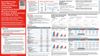
 Baricitinib works better in adolescents than adults for treating severe alopecia areata.
 6 citations
,
November 2023 in “Clinical Pharmacokinetics”
6 citations
,
November 2023 in “Clinical Pharmacokinetics” Ritlecitinib shows promise as a versatile treatment for various autoimmune and inflammatory diseases.
 4 citations
,
May 2019 in “Sultan Qaboos University Medical Journal”
4 citations
,
May 2019 in “Sultan Qaboos University Medical Journal” Tofacitinib helped regrow hair in a patient with severe hair loss and improved their quality of life without side effects.
3 citations
,
July 2025 in “Clinical and Experimental Dermatology” Ritlecitinib may be more effective for severe alopecia areata than conventional treatments.
 March 2026 in “Tropical Journal of Natural Product Research”
 Albizia saponaria bark extract may help treat hair loss.
November 2025 in “Scholarly Commons (Embry–Riddle Aeronautical University)” Urban air pollution worsens hair loss in alopecia areata by increasing immune response.
June 2025 in “British Journal of Dermatology” Ritlecitinib may cause serious side effects like blood clots in alopecia areata patients.
 37 citations
,
October 2017 in “Clinical and Experimental Dermatology”
37 citations
,
October 2017 in “Clinical and Experimental Dermatology” Oral tofacitinib shows promise in treating atopic dermatitis and alopecia areata, but only slight improvement in vitiligo.
 2 citations
,
April 2019 in “Dermatologic Therapy”
2 citations
,
April 2019 in “Dermatologic Therapy” A patient with alopecia had hair regrowth with tofacitinib but developed a skin reaction, choosing to continue the treatment despite the side effect.
Olumiant® (Baricitinib) is effective for treating hair loss from Alopecia Areata.
 May 2024 in “Archives of dermatological research”
 Enz_MoriL from mulberry leaves helps hair growth by affecting specific cell pathways.
 6 citations
,
April 2021 in “Frontiers in Immunology”
6 citations
,
April 2021 in “Frontiers in Immunology” A patient with lupus and long-term hair loss saw significant hair regrowth after using the drug tofacitinib.