Search
for
Sort by
Research
600-630 / 1000+ resultsresearch P123 : Oral Janus kinase inhibitors for the treatment of alopecia areata: a systematic review and metaanalysis
Both tofacitinib and ruxolitinib are effective and tolerable for treating alopecia areata.
research Dupilumab and alopecia: A Janus effect
Dupilumab can both heal and cause hair loss.
research 0527 Effectiveness of janus kinase inhibitor for rapidly progressive acute alopecia areata
research 75993 Safety of Janus kinase inhibitors for treatment of alopecia areata
research Body temperature-responsive Janus patches accelerate diabetic wound regeneration via coupling mechanical transduction and biochemical pathways
research Treatment of vitiligo with the topical Janus kinase inhibitor ruxolitinib: A 32-week open-label extension study with optional narrow-band ultraviolet B
research Treatment of alopecia universalis with topical Janus kinase inhibitors – a double blind, placebo, and active controlled pilot study
Topical JAK inhibitors may help treat alopecia universalis by promoting hair regrowth.
research Essentials of Aesthetic Surgery Jeffery J. Janis
The book is a detailed guide for plastic surgeons with clear explanations and is recommended for both new and experienced practitioners.
research Confusion Over Use: Contextualism in Trademark Law (with M. Janis)

research The JAK/STAT signaling pathway: from bench to clinic
The JAK/STAT pathway is important in cell processes and disease, and JAK inhibitors are promising for treating related conditions.
research Tofacitinib for the treatment of severe alopecia areata and variants: A study of 90 patients
Tofacitinib is effective and safe for severe hair loss, but full regrowth is less likely after 10 years of hair loss.
research JAK-inhibitors. New players in the field of immune-mediated diseases, beyond rheumatoid arthritis
JAK inhibitors are effective in treating various immune-related diseases, not just rheumatoid arthritis.
research Alopecia areata
Some treatments can help with a hair loss condition called alopecia areata, but none ensure lasting results; choices depend on the person, with JAK inhibitors showing promise for severe cases.
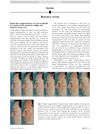
research Rapid skin repigmentation on oral ruxolitinib in a patient with coexistent vitiligo and alopecia areata (AA)
A man with vitiligo and alopecia saw quick skin and hair improvement with ruxolitinib, but skin color gains were lost after stopping treatment.
research Leptin and the skin: a new frontier
Leptin may improve skin regeneration and hair growth, and help reverse skin aging.
research Topical Ruxolitinib for the Treatment of Alopecia Universalis
Topical Ruxolitinib may safely treat severe hair loss.
research Tofacitinib for the treatment of lichen planopilaris: A case series
Oral tofacitinib can significantly improve recalcitrant lichen planopilaris.

research The Changing Landscape of Alopecia Areata: The Therapeutic Paradigm
New treatments for Alopecia Areata, like JAK inhibitors, show promise for hair regrowth and are likely to change future treatment approaches.
research Treatment of an alopecia areata patient with tofacitinib results in regrowth of hair and changes in serum and skin biomarkers
A patient with alopecia areata regrew hair after taking tofacitinib and showed changes in certain blood and skin markers.
research JAK Inhibitors for Treatment of Alopecia Areata
JAK inhibitors can effectively reverse hair loss in people with alopecia areata.
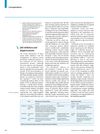
research JAK inhibitors and alopecia areata
JAK inhibitors help regrow hair in alopecia areata patients, improving their quality of life.
research Functional Interpretation of Genome-Wide Association Study Evidence in Alopecia Areata
Alopecia areata is linked to immune-related genes, suggesting JAK inhibitors as a potential treatment.
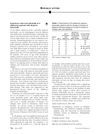
research Experience with oral tofacitinib in 8 adolescent patients with alopecia universalis
Tofacitinib caused significant hair regrowth in adolescents with alopecia universalis who didn't respond to other treatments.
research Treatment of pediatric alopecia areata: A systematic review
Topical corticosteroids are the best initial treatment for children's alopecia areata.
research Pathomechanisms of immune-mediated alopecia
The study concluded that immune cells attacking hair follicles cause hair loss in alopecia, with genetics and environment also playing a role, and highlighted the potential of certain treatments.
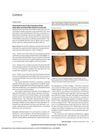
research Tofacitinib Citrate for the Treatment of Nail Dystrophy Associated With Alopecia Universalis
Tofacitinib citrate improved nail dystrophy and pain in patients with alopecia universalis without causing side effects.
research Tofacitinib for the treatment of alopecia areata in preadolescent children
Tofacitinib helped some young children with severe hair loss grow their hair back without bad side effects.
research Transient Efficacy of Tofacitinib in Alopecia Areata Universalis
Tofacitinib temporarily regrew hair in a man with alopecia, but its effects didn't last.
research Oral tofacitinib: a promising treatment in atopic dermatitis, alopecia areata and vitiligo
Oral tofacitinib shows promise in treating atopic dermatitis and alopecia areata, but only slight improvement in vitiligo.